

Your mirror-led routine for better jawline definition
Mirror pilates blends the breath, focus, and control of traditional pilates with the micro-movements that influence head and neck posture. To be honest, genetics and overall fat percentage still matter more than any single exercise, but mirror feedback helps improve muscle tone, posture, and facial balance. Train two to four times weekly under neutral LED lighting so you can accurately track alignment and symmetry.
⚡ PRO INSIGHT: Start with posture. Stack ears over shoulders, lengthen the back of the neck, soften the ribs. Most “jawline” issues look worse with rounded shoulders and a forward head… fix that first, then add facial work.
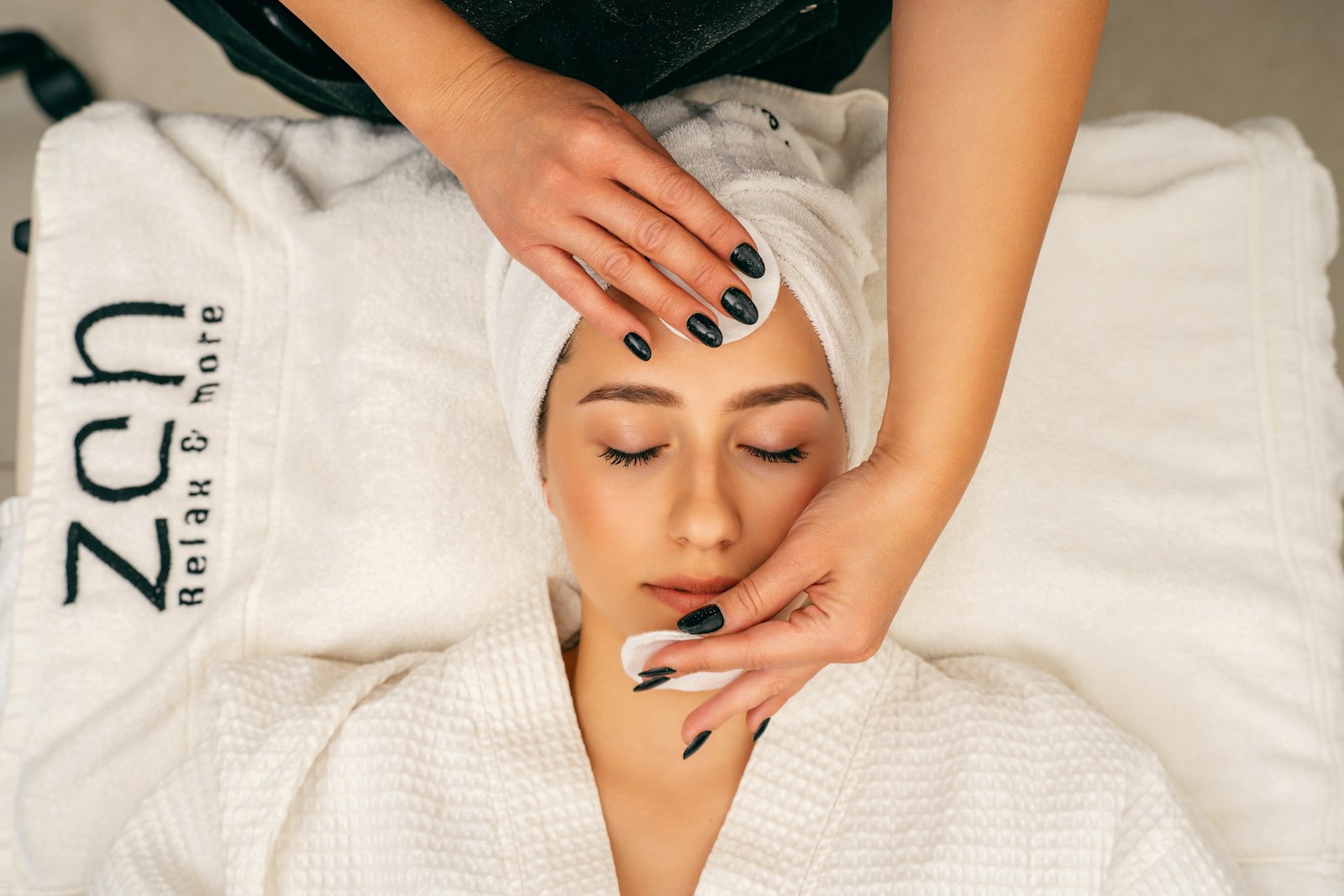
Quick reference: mirror pilates moves for jawline control
| Move | What it targets | How to do it (mirror cues) | Reps / time |
|---|---|---|---|
| Posture Reset | Neck alignment, double-chin reduction | Ears over shoulders, chin slightly tucked, crown tall. Relax jaw and lips. | 3 breaths × 3 |
| Tongue-to-Palate Seal | Jaw relaxation, oral posture | Lift tongue to palate, lips relaxed, corners even. | 5 breaths × 2 |
| Jaw Glide Control | TMJ tracking, symmetry | Glide jaw left, centre, right without clicking or shifts. | 5 each side × 2 |
| Cheek Elevator Hold | Cheek lift control | Closed-mouth smile, eyes engaged, check even lift. | 8–10s × 5 |
| Neck Lengthener | Scalene relief, contour | Tilt ear toward shoulder, rotate slightly, no strain. | 20–30s each side |
| Masseter Softening | Clenching reduction | Gentle fingertip circles near jaw hinge, breathe slowly. | 30–45s each side |
Form first, then frequency
Two to four sessions a week is enough. You’re aiming for refined control, not resistance training. If you feel clicking, pain, or dizziness, stop and get checked. TMJ specialists and physiotherapists, such as NHS Oral Health Services and Canadian Dental Association, advise that small, slow movements with mirror feedback improve awareness safely.
⚡ PRO INSIGHT: Use your mirror for symmetry scoring. Pick one cue per move, like “even mouth corners” or “no neck strain”, and give yourself a 1–3 score. Aim to improve smoothness, not range.
“Small, consistent corrections to posture and jaw control beat occasional long sessions. Keep motions slow, avoid pain, and use the mirror to reduce asymmetry over time.”
— Dr. Nicola Petty, Senior Physiotherapist, PhysioPedia (2024)
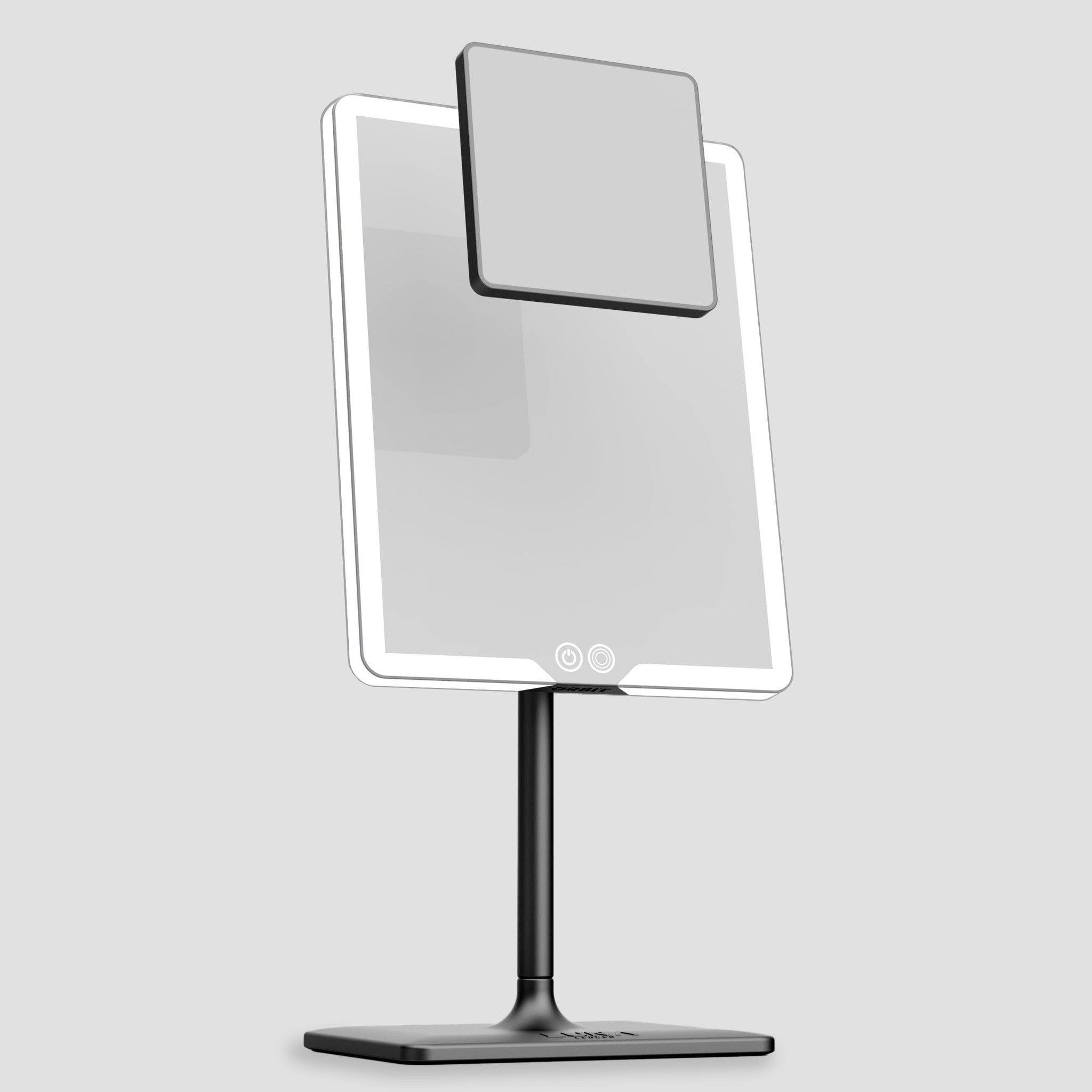
Make alignment checks easy with true-tone light
Mirror pilates depends on seeing fine detail. ORBIT’s neutral LEDs and 7× magnification help you track neck lines, jaw movement, and symmetry without colour distortion.
Explore ORBIT finishes →FAQs
How long before I see changes?
Expect posture and symmetry improvements within a few weeks. Real definition takes consistency, lighting accuracy, and low tension habits.
Can facial exercises bulk the jaw?
Yes, if you clench or over-resist. Keep tension minimal. Aim for control and relaxation, not resistance.
Is it safe for TMJ issues?
Only after professional clearance. Skip jaw glides or heavy resistance if you’ve had dental or jaw pain recently.
What lighting works best?
Bright, neutral light at eye level. Avoid side-lighting or harsh tones. ORBIT’s neutral LEDs are ideal for consistent tracking.
Related links
- ORBIT — neutral LED vanity mirror for precise alignment
- ECLIPSE — travel-friendly alignment checks on the go
- COMPACT 2.0 — posture cues anywhere
- LUNA London — Blog hub
- The best mirror for eyebrow tweezing, according to beauty experts


Leave a comment
This site is protected by hCaptcha and the hCaptcha Privacy Policy and Terms of Service apply.