
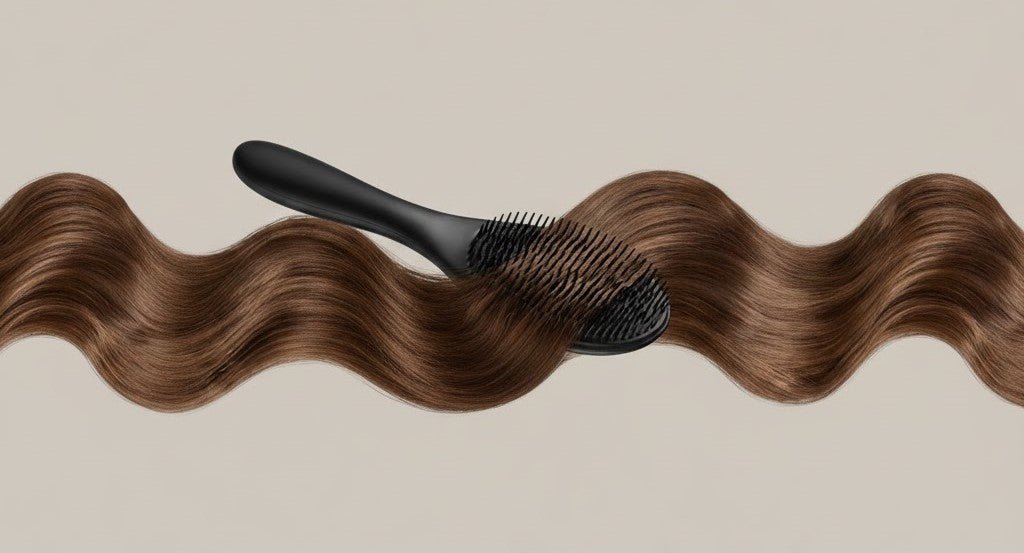
A detangling brush only helps if bristles and flex work together to separate knots before you create tension. Here’s what actually matters in 2026, plus a practical checklist for choosing a gentle detangler brush that reduces breakage.
The Detangling Brush in 2026: What Actually Matters (Bristles, Flex, Breakage)
Last updated: 5th February 2026
Detangling is where a lot of “mystery breakage” starts. Not because you’re doing anything dramatic, but because knots concentrate force. If your brush snags and releases, it creates repeated high-tension moments. Those add up into split ends and snapped strands over time.
Timing matters too. Cleveland Clinic dermatologist Dr Shilpi Khetarpal notes hair can be more fragile when it’s wet, making it more prone to snapping, stretching or breaking if handled roughly. (Cleveland Clinic, 2025) That doesn’t mean “never detangle wet.” It means you need the right tool, more slip, and lower force.
How to choose a detangling brush that actually reduces breakage
| Your situation | Bristles that help | Flex that helps | Technique cue | Here’s Our Favourite |
|---|---|---|---|---|
| Fine hair, easy tangles | Rounded tips, medium spacing | Brush head “gives” before hair does | Hold hair above the knot, start at ends | DETANGLER for dual-layer bristles and a flexible, curved design intended to minimise pulling |
| Thick hair, dense knots | Longer pins, slightly wider spacing | Flex across the head, not just the handle | Work in sections, stop once knots release | DETANGLER for daily detangling without “paddle brush” tug |
| Curly/coily hair on wash day | Smooth rounded tips, no sharp seams | High flex that still keeps shape through product | Use conditioner for slip, start ends | DETANGLER plus the steps in this wet-hair method |
1) Bristles: tip shape and spacing beat “soft vs hard”
In real knots, the bristle tip is the difference between gliding and catching. Rounded tips are usually kinder because they are less likely to hook into rough cuticles. Spacing matters too: if spacing is too tight, more bristles hit the knot at once, increasing the chance of a sudden snag.
Trichologist Kerry E. Yates recommends prioritising rounded bristles and an ergonomic shape for gentler brushing, especially when used on wet hair alongside shampoo. (Shop TODAY, 2026)
Expert quote: “The brush has an ergonomic shape and rounded bristles for easy scalp massaging. It’s ideal when used on wet hair and designed to be used in conjunction with shampoo...”
— Kerry E. Yates, trichologist, quoted in Shop TODAY (2026)
Use that guidance as a quick filter: if rounded tips still snag, it’s usually spacing or flex, not “you being heavy-handed”.
2) Flex: the brush should absorb tension spikes
Flex isn’t about a floppy tool. It’s about smoothing out force. A brush head with controlled flex can lower peak tension when it meets resistance, so the strand isn’t the weak point.
Hair damage is common during everyday grooming. A 2024 paper on split ends describes how damage and fracture can occur during activities such as combing and brushing. (Taylor et al., 2024, PMC) Your best defence is fewer high-tension moments.

3) Breakage: spot it quickly so you can change course
Shedding is normal. Breakage is optional. If the brush is causing damage, you’ll usually see short fragments in the bristles after a detangling session, plus frizz that wasn’t there before.
Conditioner and “slip” help because they reduce friction between fibres. A review on hair care physicochemistry notes physical damage can result from poor brushing or combing, and friction is one pathway by which hair weathering progresses. (Fernandes et al., 2023, PMC)
Five detangling mistakes that create unnecessary snaps
- Starting at the roots: you drag the whole knot down the strand and increase tension.
- Too many finish strokes: once knots release, extra brushing is just friction.
- Detangling without slip: especially on textured or damaged hair, dry knots resist and snag.
- Pressing into the scalp: pressure doesn’t solve knots, it just increases discomfort and snagging.
- Ignoring repeat knot zones: the nape and behind the ears often need sectioning, not force.
| What you notice | Likely cause | Fix today |
|---|---|---|
| Short snapped hairs in the brush | Snagging and tension spikes, brushing knots dry | Add slip, detangle ends first, reduce strokes, switch to controlled flex |
| Scalp discomfort | Tips too sharp or bristles too stiff, too much pressure | Lower pressure, choose rounded tips, stop “scrubbing” the scalp |
| Knots return in the same zone | Friction points (collars), dry ends, split ends | Section hair, target that zone with conditioner, avoid over-brushing |
The three-stroke test (works on any detangler brush)
- Pick your worst knot area. Hold hair above it with your free hand.
- Do three strokes only from ends upwards. You’re testing snagging, not “how smooth it feels after 40 strokes.”
- Check the brush. Lots of short fragments is a warning sign. If you need constant rework, it’s likely adding friction.
If you want a repeatable routine, use our wet-hair detangling steps as a baseline and adapt for dry hair on non-wash days.
Brush care: a simple habit that keeps detangling gentle
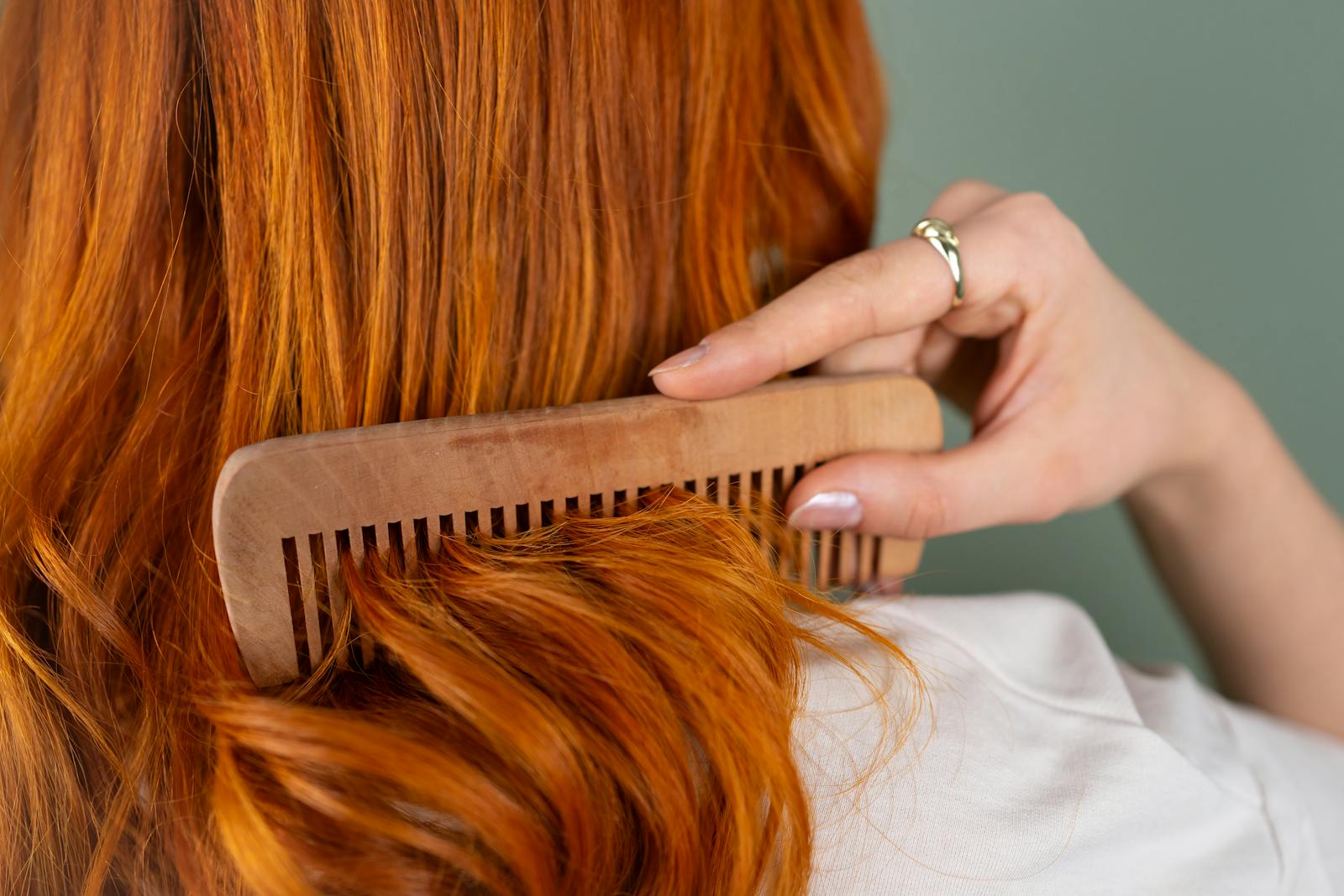
Product build-up and trapped shed hairs can make a brush feel scratchier and less consistent, which pushes you to use more pressure. Once a week, remove shed hair, rinse the brush head in warm (not hot) water with a little gentle soap, then let it dry bristles-down. The goal isn’t hygiene theatre. It’s keeping the bristles moving cleanly through hair so you need fewer passes.
Where DETANGLER fits
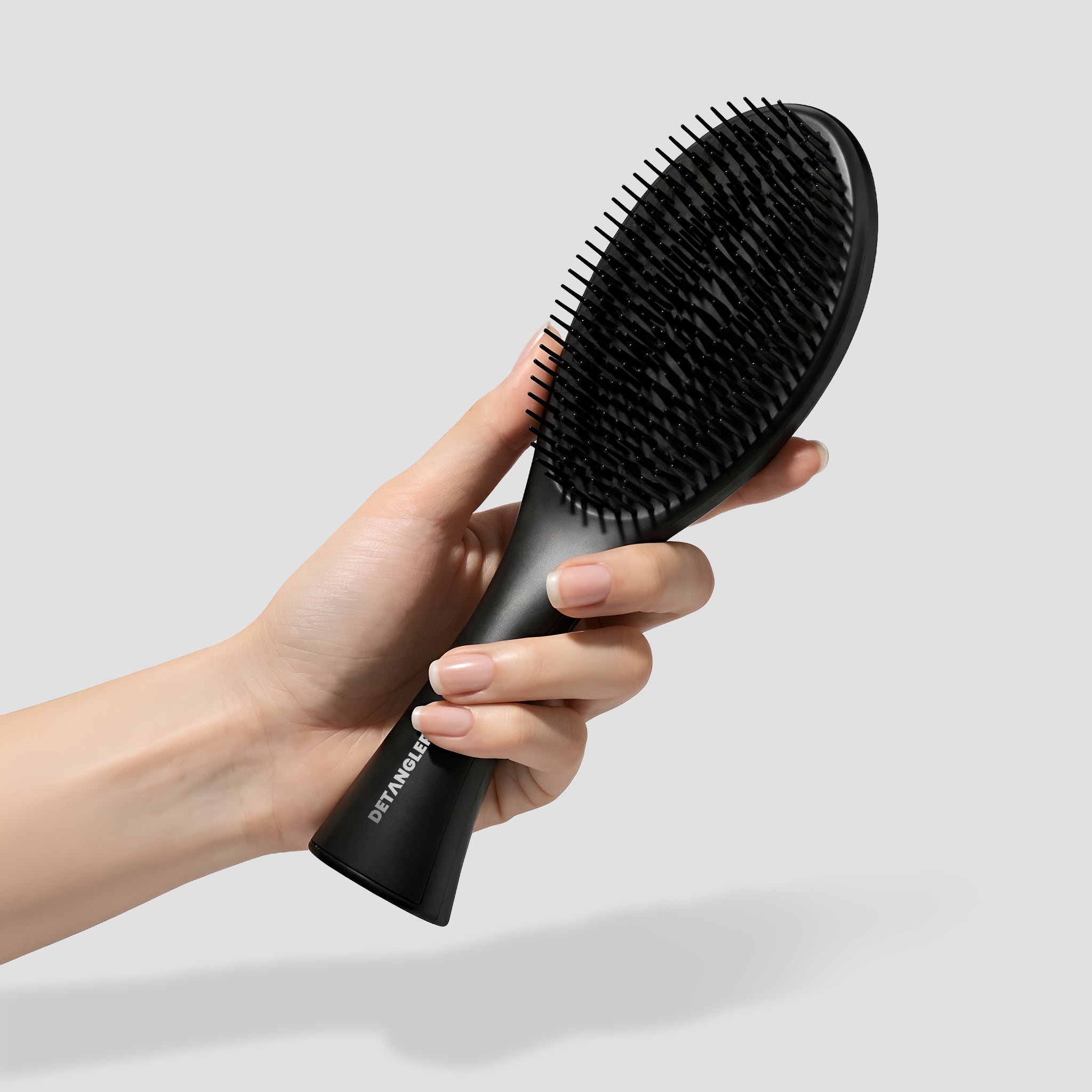
DETANGLER is built around controlled tension: a flexible, curved brush shape and a dual-layer bristle system intended to minimise pulling and breakage during everyday detangling. If you want the design story and why we iterate tools rather than rushing them, start with the guide here.
Two myths worth dropping in 2026:
- “More brushing fixes tangles.” Often it just adds friction. Aim for fewer, deliberate passes.
- “Pain is normal.” Pain usually means snagging. Change tool or method.
For a neutral, dermatologist-led baseline, the American Academy of Dermatology’s hair care tips are a strong reference point. (AAD, updated 2024)
Video: everyday habits that reduce hair damage
A dermatology-led overview of practical hair care habits, including gentle detangling.
Source: YouTube (American Academy of Dermatology Association)
Want a low-effort setup change that supports better detangling? Organise your essentials so you don’t rush the step. Here’s a simple vanity reset. If you like micro-habits, Mirror Mindfulness is a quick way to slow down enough to reduce “rush damage”.
If detangling is where your breakage starts, fix the tool first
DETANGLER is designed for controlled tension, with a flexible, curved shape and dual-layer bristles intended to minimise pulling. It’s a practical swap when you want daily detangling to feel predictable instead of painful.
Explore DETANGLER design →FAQs
What is the best detangling brush for breakage-prone hair?
Choose rounded bristle tips and controlled flex, then use fewer strokes with more slip. If the brush snags on your worst-knot zone, it’s not the right one.
Is it better to detangle wet or dry hair?
Detangling can be easier with conditioner and slip, but wet hair can be more fragile. If detangling wet, reduce force, work in sections, and start at the ends.
How do I know if my brush is damaging my hair?
Look for short fragments in the bristles, more frizz after brushing, scalp discomfort, and knots returning in the same places.
What’s the fastest detangling method that still protects hair?
Hold hair above the knot, do three controlled strokes from ends upwards, then reassess. Use this 5-minute method as a reliable routine.
Related links
- How to Detangle Wet Hair Properly: The 5-Minute Post-Shower Method
- The Detangling Hair Brush People Keep Asking For
- How to Organize Your Vanity for a Productive 2026
- Mirror Mindfulness: The 30-Second Reset for Better Mornings
- Healthy hair care tips (American Academy of Dermatology)
- Wet hair and breakage risk (Cleveland Clinic)


Leave a comment
This site is protected by hCaptcha and the hCaptcha Privacy Policy and Terms of Service apply.