

Step-by-Step Lymphatic Facial Massage for Puffiness Relief
Facial lymphatic drainage uses very light, rhythmic strokes to help move excess fluid toward functioning lymph nodes. The goal is comfort, never force. Think “press as softly as you would smooth an eyelid”. Below is a safe, practical flow for morning de-puffing or post-flight reset. For more routines, visit our beauty and lighting hub.
Before you begin: tools, posture, and pressure
⚡ PRO INSIGHT: Lymphatic work starts by “opening” near the collarbones. Down the neck first, then outwards across the face. If you skip the neck, fluid has nowhere to go.

Your 5-minute drainage flow
Repeat each stroke 5–7 times per side. Keep everything slow and light. If you feel warmth, tingling, or subtle de-puffing, you are on track.
1) Supraclavicular “switch on”
- Place fingertips in the soft hollows above the collarbones.
- Make tiny circles, then draw down toward the collarbone grooves.
2) Neck pathways
- From just under the ear, glide down the side of the neck to the collarbone.
- From the back of the jaw, trace diagonally forward to the notch above the collarbone.
3) Jawline and masseter release
- With lips closed but jaw relaxed, hook two fingers lightly under the jaw angle.
- Glide along the jaw toward the earlobe, then down the neck to the collarbone.
4) Cheek sweep
- From the side of the nose, sweep under the cheekbone toward the ear.
- Finish each stroke by drawing down the neck to the collarbone.
5) Eye de-puff
- With ring fingers, trace a gentle semicircle from inner corner to temple along the orbital bone.
- Press softly at the temple, then slide down to just in front of the ear and into the neck.
6) Brow and forehead
- Smooth from centre of the forehead to the temples in short, outward strokes.
- Always finish by guiding fluid down the sides of the face into the neck.
⚡ PRO INSIGHT: Using gua sha? Keep it almost flat to the skin, angle about 15 degrees. Short strokes beat long swipes for nudging fluid.
Pressure, timing, and what results to expect
De-puffing from lymphatic massage is typically temporary, especially after sleep, travel, or salty meals. Light, regular sessions can help you feel more comfortable and look refreshed. If you experience chronic swelling, pain, or sinus infection symptoms, speak to a clinician first. Read more: Cleveland Clinic sinus massage overview.
Quick reference: stroke map and counts
Short, practical demo of facial lymphatic and sinus techniques from Cleveland Clinic.
Jaw tension and sinus comfort: what the research says
Gentle self-massage can support comfort around the masseter and temporomandibular region, and light sinus massage can encourage drainage for some people. Evidence is growing but mixed, so treat this as soothing self-care, not a medical cure. Good signs: easier breathing, less morning puffiness, fewer jaw-clenching urges. See Cleveland Clinic guidance for practical technique tips.
“Facial lymphatic techniques rely on minimal pressure and directionality. Start near the collarbones, clear the neck, then guide fluid laterally across the face. Less pressure often does more.”
— Cleveland Clinic ENT guidance, Patient Education (2023)
When to skip facial massage
- Active skin infection, severe acne flare, sunburn, or open wounds
- Recent injectable procedure: follow your practitioner’s aftercare timing
- Unexplained swelling, persistent pain, or suspected sinus infection
Optional: add clear, even lighting to see your technique
Lighting is not the star of this routine; it simply helps you see puffiness patterns and symmetry. Natural-style, even light lets you track subtle changes without harsh shadows. If you need a clear view while you learn the flow, a compact, adjustable mirror can help for a few minutes, then your skin should rest.
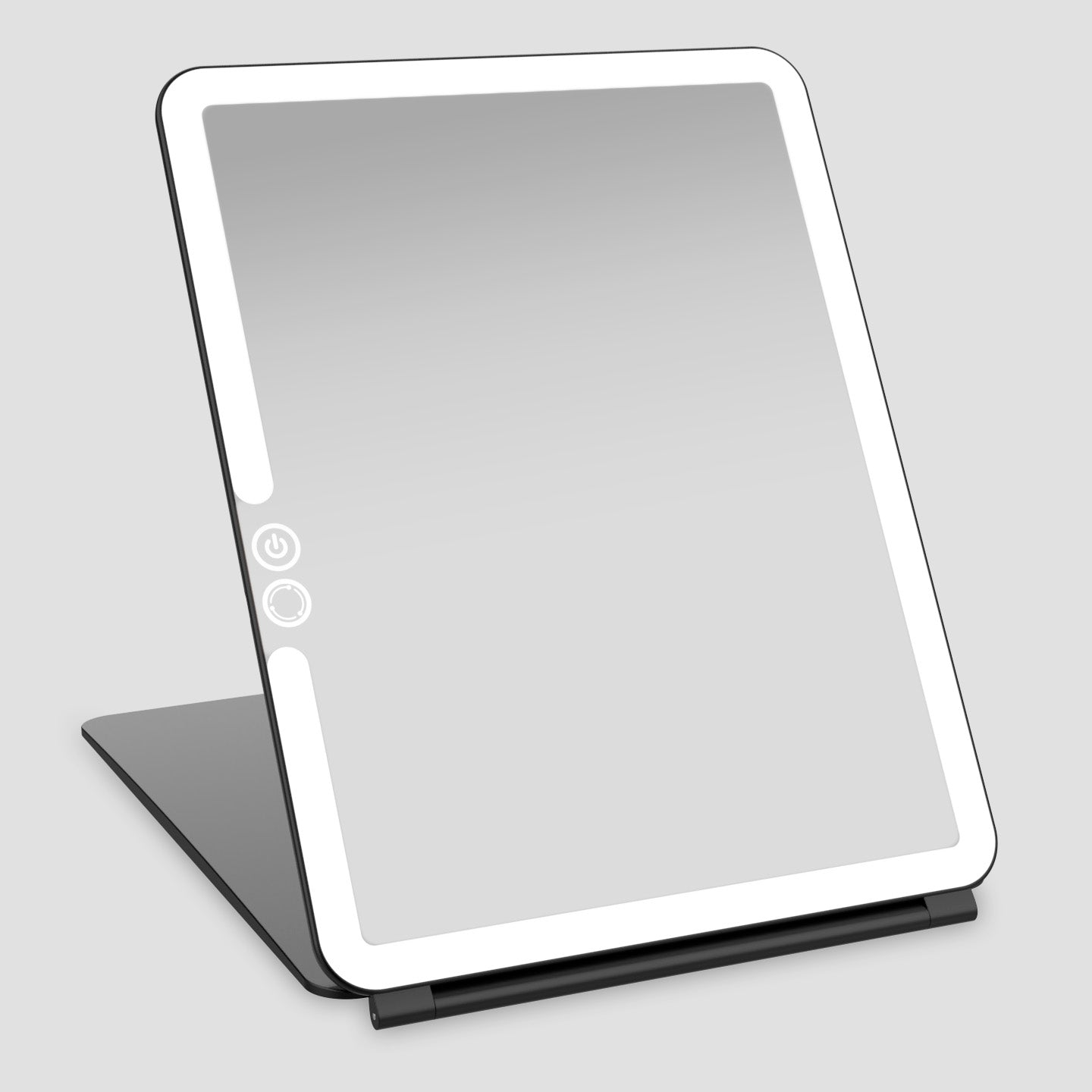
See your strokes clearly, then let skin rest
Soft, even light helps you spot fluid pathways and keep pressure light. Use a mirror briefly to learn the flow, then switch the light off and allow the skin to calm.
Discover ECLIPSE lighting →FAQs
How often should I do facial lymphatic drainage?
Start with 3–4 times per week for 3–5 minutes, then adjust. The lightest touch wins.
Can I combine gua sha with this routine?
Yes, keep the tool flat, use short, outward strokes, and finish by guiding fluid down the neck.
Will this fix chronic swelling or sinus infections?
No. It may ease temporary puffiness and tension. For persistent symptoms, see a clinician.
Related links


Leave a comment
This site is protected by hCaptcha and the hCaptcha Privacy Policy and Terms of Service apply.