
Clean Shaves Start With Light: The Men’s Grooming Mirror Playbook
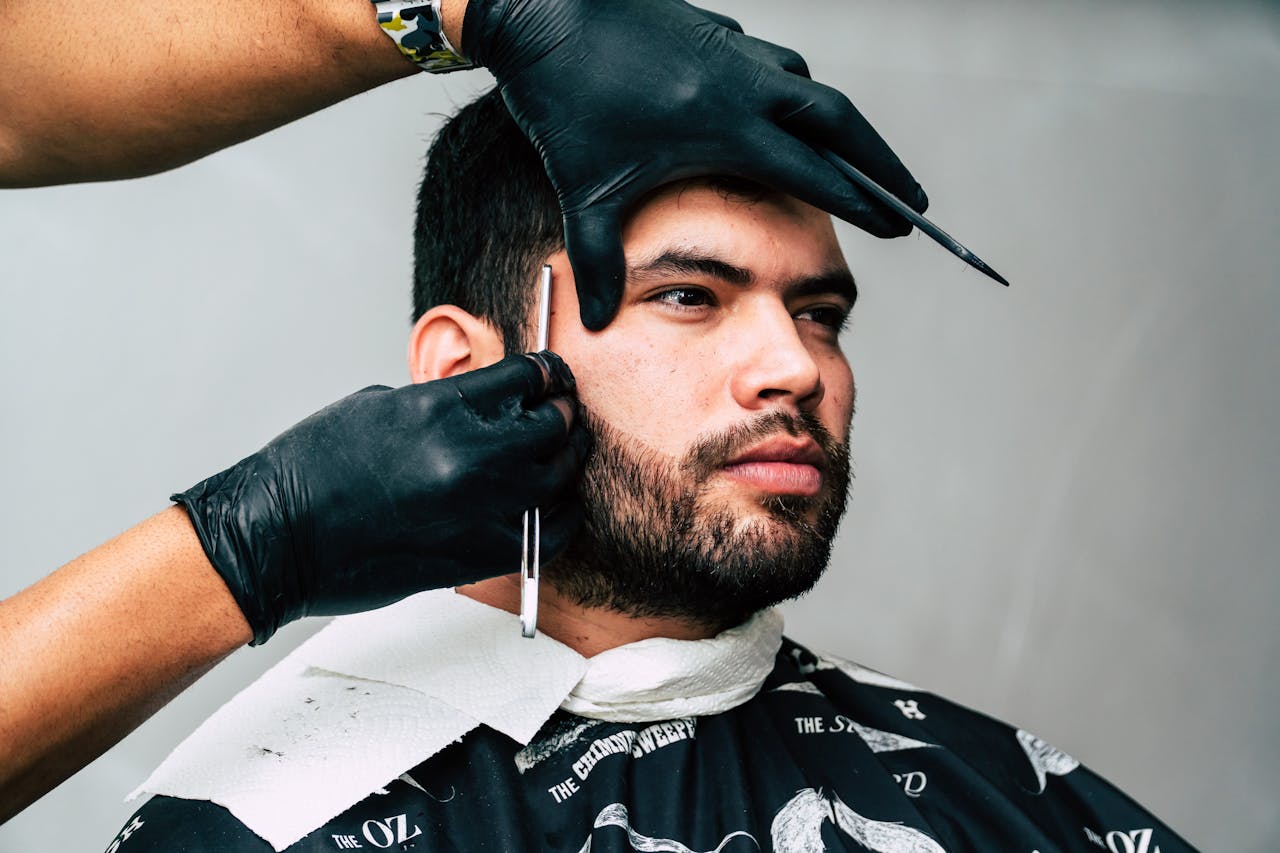
Most shaving problems are lighting problems. If you cannot see flat stubble, you push harder, go over the same spot, and irritate skin. A good LED grooming mirror makes hair direction and shadow lines obvious so you can glide, not grind. Below is a practical setup and routine that combines lighting science with dermatologist-backed technique, plus the best LUNA mirrors to use at home or on the road.
⚡ PRO INSIGHT: If you see shine or glare on your skin, tilt the mirror a few degrees or step back 10–15 cm. You want even illumination across the jaw, not hot spots that hide micro-stubble.
1) Set up your mirror like a pro

Before touching a razor, fix the view. Place your mirror where the LEDs face you head-on, roughly at eye height. Neutral-white LEDs help you spot flat, short hairs and track the grain clearly. If you use magnification for edging lines, keep it to brief checks so you do not overwork one small area.
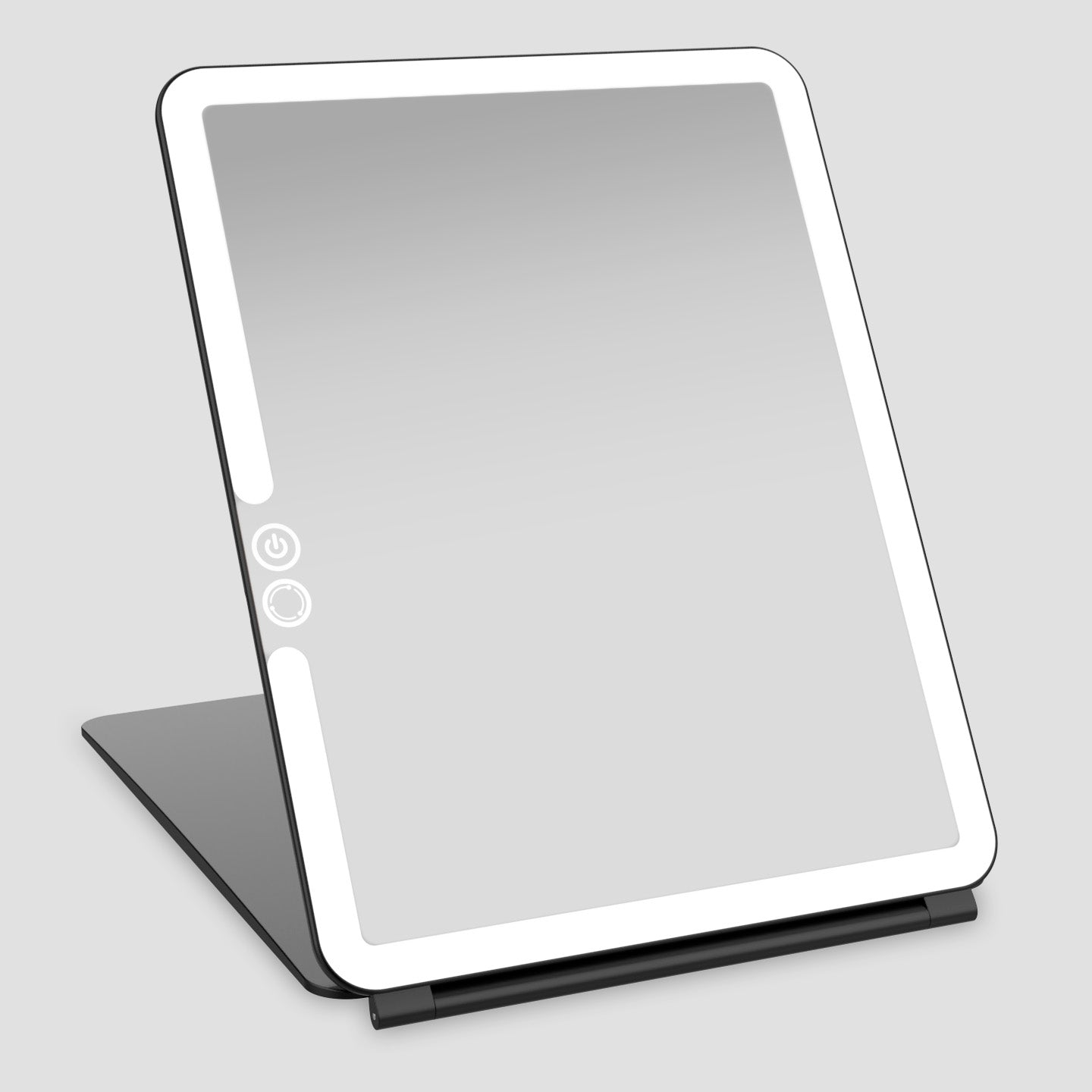
Want a travel-friendly option that still gives true-to-life light? ECLIPSE is slim, rechargeable, and bright. Prefer a larger home station with a stand? See ORBIT Phantom Black for stable height and a wide field of view.
⚡ PRO INSIGHT: Neck growth often runs diagonally. Use the mirror to trace directions with your fingertips first. Shave with the grain per zone, not one uniform direction.2) Prep smart for fewer bumps
Dermatologists consistently recommend shaving on hydrated skin with lubrication, then finishing with a gentle, fragrance-free moisturiser. Shaving in the direction of hair growth and replacing dull blades also lowers the risk of razor bumps and irritation. See guidance from the American Academy of Dermatology and a 2025 narrative review in JAAD Reviews which notes daily or frequent shaving can reduce ingrown hairs when technique is gentle.
- Warm water + cleanser: shave near the end of a shower, or use a warm towel for 2–3 minutes to soften hair.
- Use a proper cream or gel: skip dry shaving. A cushion helps the blade glide and protects the barrier.
- Map your grain: cheeks, jaw, chin, and neck often grow in different directions.
- Light pressure, shorter strokes: let the blade cut, not your hand force it.
- Rinse cool and moisturise: soothe skin and help the barrier recover.
“Shave with the grain, keep pressure light, and maintain sharp blades. Technique and lighting beat chasing a closer cut against the grain on sensitive areas.”
— Dr Sam Ellis, Board-Certified Dermatologist, YouTube (2024)
3) Step-by-step: a clean, irritation-light routine
- Face the light: stand square to the mirror LEDs at eye height. If you see glare, make a tiny tilt adjustment.
- Hydrate and cleanse: warm water plus a mild cleanser to remove oil and lift hair.
- Apply lather: thin, glossy layer of shaving cream or gel. Re-lather between passes.
- With the grain first: cheeks and jaw, then upper lip and chin, finishing with the neck. Use short strokes.
- Rinse and check under magnification: a quick look only to tidy stubborn swirls.
- Optional tidy pass: across the grain on tolerant areas. Skip true “against the grain” on reactive necks.
- Cool rinse: pat dry, apply fragrance-free moisturiser. If prone to bumps, consider a gentle salicylic-or glycolic-based exfoliant on off days.
4) Lighting and tools that make this easier
Tool choice matters, although you do not need a drawer full of gadgets. Keep it simple and let lighting do the heavy lifting.
Evidence-wise, shaving with the grain and replacing blades regularly help reduce bumps and inflammation, while frequent gentle shaving can reduce ingrowns for many skin types (AAD; JAAD Reviews, 2025). If you do develop irritation, resources like DermNet advise pausing shaving until it settles.
5) Troubleshooting common issues
Missed patches on the neck
Use the mirror to angle your chin upward and slightly to the side. Re-lather that zone and go with the grain diagonally, not straight down.
Redness after every shave
Back off pressure and speed, reduce passes, and ensure your cream has enough slip. Many barbers will also suggest warm pre-shave prep and a cool finish to calm vessels.
Chronic bumps or ingrowns
Stick to with-the-grain, try a single-blade or guarded razor, and maintain sharp blades. Consider non-fragrant moisturiser after, and gentle chemical exfoliation on off-days as tolerated. For persistent cases, speak to a professional.
Better lighting, calmer skin
ECLIPSE gives bright, neutral light in a slim, travel-ready body, so you can see grain and glide with lighter pressure. Pair it with short strokes and a cool rinse for consistently clean shaves.
Discover ECLIPSE lighting →FAQs
Should I shave with or against the grain?
Start with the grain for all zones. If your skin tolerates it, you can do a light cross-grain tidy pass on cheeks or jaw. Going fully against the grain on the neck often spikes irritation and bumps.
How often should I replace blades?
As soon as you feel tugging or after roughly 5–7 shaves for many cartridges. Frequent changes help reduce pulling and micro-tears.
Do I need magnification?
Only for quick checks on edges, swirls, or detailing. Do not linger at 7×, or you will over-shave small areas. Consistent neutral light is more important than magnification.
Related links
- ORBIT Phantom Black
- ECLIPSE Matte Black
- LUNA Blog Hub
- American Academy of Dermatology: How to prevent razor bumps
- JAAD Reviews 2025: Hair removal practices


Leave a comment
This site is protected by hCaptcha and the hCaptcha Privacy Policy and Terms of Service apply.