


Last updated: 10 June 2026
How to Stop Sunscreen Under Makeup From Rolling, Flaking or Lifting
If your base looks smooth at 8am and starts rolling into tiny grey crumbs by 8:12, it is tempting to blame the sunscreen. Sometimes that is fair. More often, makeup pilling with SPF is a layering problem: too much skincare, formulas that do not sit nicely together, or foundation being buffed over a sunscreen film before it has settled.
Do not use this as an excuse to skip SPF. The American Academy of Dermatology advises using broad-spectrum sunscreen with SPF 30 or higher, applying it before going outdoors and reapplying every two hours when outside. The smarter move is not less protection. It is a better routine.
In a hurry? Here is the practical version:
- Use fewer skincare layers in the morning, especially in heat or humidity.
- Let moisturiser settle before sunscreen, then let sunscreen settle before makeup.
- Press foundation on at first, do not aggressively buff over fresh SPF.
- Check the jawline, nose sides and between the brows before leaving.
- Use a lit mirror for the final texture check, not a forgiving bathroom shadow.

Why SPF Pills Under Makeup
Pilling is what happens when product gathers into little rolls on the skin instead of forming a smooth layer. The obvious culprits are heavy moisturiser, too much primer, rich sunscreen, silicone-heavy formulas, dry flakes, or foundation being rubbed back and forth. Less obvious: your sunscreen might be fine on bare skin, but not under that specific primer or base.
Recent testing from Good Housekeeping’s Beauty Lab treats “pill-free wear under makeup” as a separate performance issue, which is exactly the point. A sunscreen can protect well, feel comfortable, and still behave badly when it meets foundation.
| What you see | Most likely cause | Fix before you redo everything |
|---|---|---|
| Small rolls around the jawline | Too much skincare or sunscreen sitting on the surface | Use thinner layers and wait until the skin feels set, not tacky. |
| Foundation separates around the nose | Oil, texture, friction or incompatible primer | Press base on first, then blend lightly only where needed. |
| White flakes after blending | Dry skin, mineral SPF residue or rubbing too hard | Smooth dry areas the night before and avoid over-buffing. |
| Makeup lifts in patches by midday | Heat, sweat, reapplication friction or too many layers | Blot first, reapply SPF carefully, then spot-correct instead of adding a full new base. |
⚡ PRO INSIGHT: If you can feel your skincare sliding when you touch your cheek, makeup is not ready to go on. A smooth SPF layer should feel settled, not wet, greasy or rubbery.
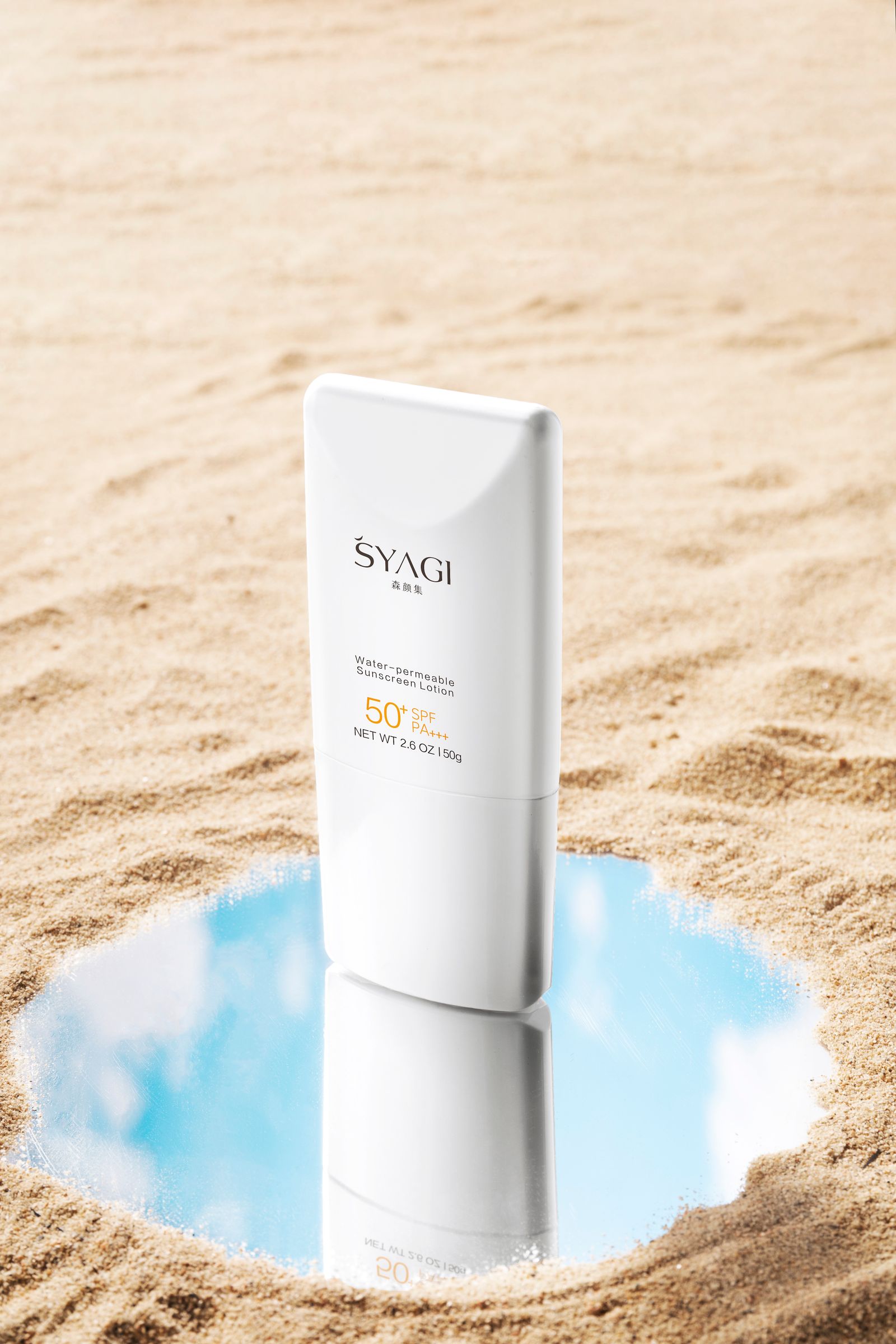
The Better Summer Skincare Routine Before Makeup
A summer skincare routine has to be realistic. If you are applying essence, serum, cream, SPF, primer, foundation, concealer and powder in a warm bathroom, you are asking a lot from your face. The aim is not a “perfect” ten-step routine. It is a stable base that protects your skin and survives the first hour of the day.
The Cleveland Clinic notes that sunscreen should generally come after washing and moisturising, but before makeup. The FDA also recommends applying sunscreen 15 minutes before sun exposure and reapplying at least every two hours, especially if sweating or swimming.
“Sunscreen works best when applied directly to clean skin.”
— Dr Amy Kassouf, dermatologist, Cleveland Clinic
The simple order that usually behaves best
- Cleanse lightly: remove overnight oil without stripping the skin.
- Use one treatment layer only: vitamin C, niacinamide or hydrating serum, not all three if your base keeps rolling.
- Moisturise only where needed: dry cheeks may need it, an oily T-zone may not.
- Apply sunscreen evenly: use enough for protection, but spread it in controlled sections instead of rubbing for ages.
- Wait until it sets: not necessarily twenty minutes, but long enough that the surface no longer feels mobile.
- Press primer or foundation on first: avoid dragging product across the SPF film.

Portable precision favourite
The quick mirror check before your SPF ruins the base
“Small enough to carry, but still actually useful for detail checks.”
COMPACT 2.0 suits the SPF pilling problem because it helps you check texture close-up before you leave, then do small corrections later without relying on office or restaurant lighting.
The 2-Minute Makeup Mirror Check
The worst SPF pilling is the kind you only notice in the car mirror or in daylight. A quick makeup mirror check catches it earlier, while the fix is still small. Do this after sunscreen has settled and before you commit to full foundation.
| Check | What to do | What it tells you |
|---|---|---|
| Touch test | Press one clean fingertip lightly on the cheek. | If it slides, wait. If it drags, add a tiny amount of moisturiser only to dry areas. |
| Jawline roll test | Tap, then gently sweep once along the jaw. | If product rolls, your layers are overloaded or incompatible. |
| Nose-side check | Look closely around nostrils and smile lines. | This is where pilling and separation usually start first. |
| Light switch | Check in neutral or daylight-style mirror light. | Warm bathroom light can hide flakes, lifted edges and white cast. |
If the roll test fails, do not add more primer to “smooth it out”. That often makes the problem worse. Blot gently, remove only the crumbly area with a damp cotton bud, let it dry, then spot-apply sunscreen and base with tapping motions. It is less glamorous than pretending nothing happened, but it works better.
⚡ PRO INSIGHT: Use magnification for diagnosis, not for full-face judgment. Check pilling at 7x, then return to 1x so you do not over-fix texture no one else can see.
Should You Change Sunscreen, Primer or Foundation?
Maybe, but do not start by replacing everything. That is how people end up with three sunscreens, two primers and the same annoying problem. Change one variable at a time.
Start by testing sunscreen on bare skin for two days. If it pills without makeup, the formula may not suit your skin or your morning skincare. If it only pills under foundation, the clash is probably between sunscreen, primer and base. The Skin Cancer Foundation recommends broad-spectrum SPF 30 or higher for daily use and SPF 50 or higher for extended outdoor activities, so choose compatibility without downgrading protection unnecessarily.
A sensible troubleshooting order
- Remove primer for one day: many bases sit better directly over settled sunscreen.
- Use less moisturiser: especially if your sunscreen is already hydrating.
- Switch application method: press foundation with fingers or a sponge before using a brush.
- Change foundation texture: heavy matte bases can grip and disturb sunscreen.
- Only then test another SPF: ideally one marketed for face use and makeup compatibility.
How to Reapply SPF Without Making Makeup Pill
Reapplication is where the internet gets a bit dishonest. You can reapply SPF over makeup, but it is rarely as pristine as a fresh morning base. The goal is good protection with acceptable makeup, not fantasy-smooth skin after four layers of product in 30-degree heat.
Blot first. Do not add sunscreen onto oil and sweat, then wonder why it balls up. Use a tissue or blotting paper, press sunscreen on with a sponge or clean fingers, and repair makeup only where needed. Powder SPF, sprays and sticks can be useful tools, but they are not magic coverage if you apply too little. For long outdoor exposure, skin protection wins over keeping every bit of foundation intact.
For the home SPF check
Use ORBIT when you want to catch texture before daylight does
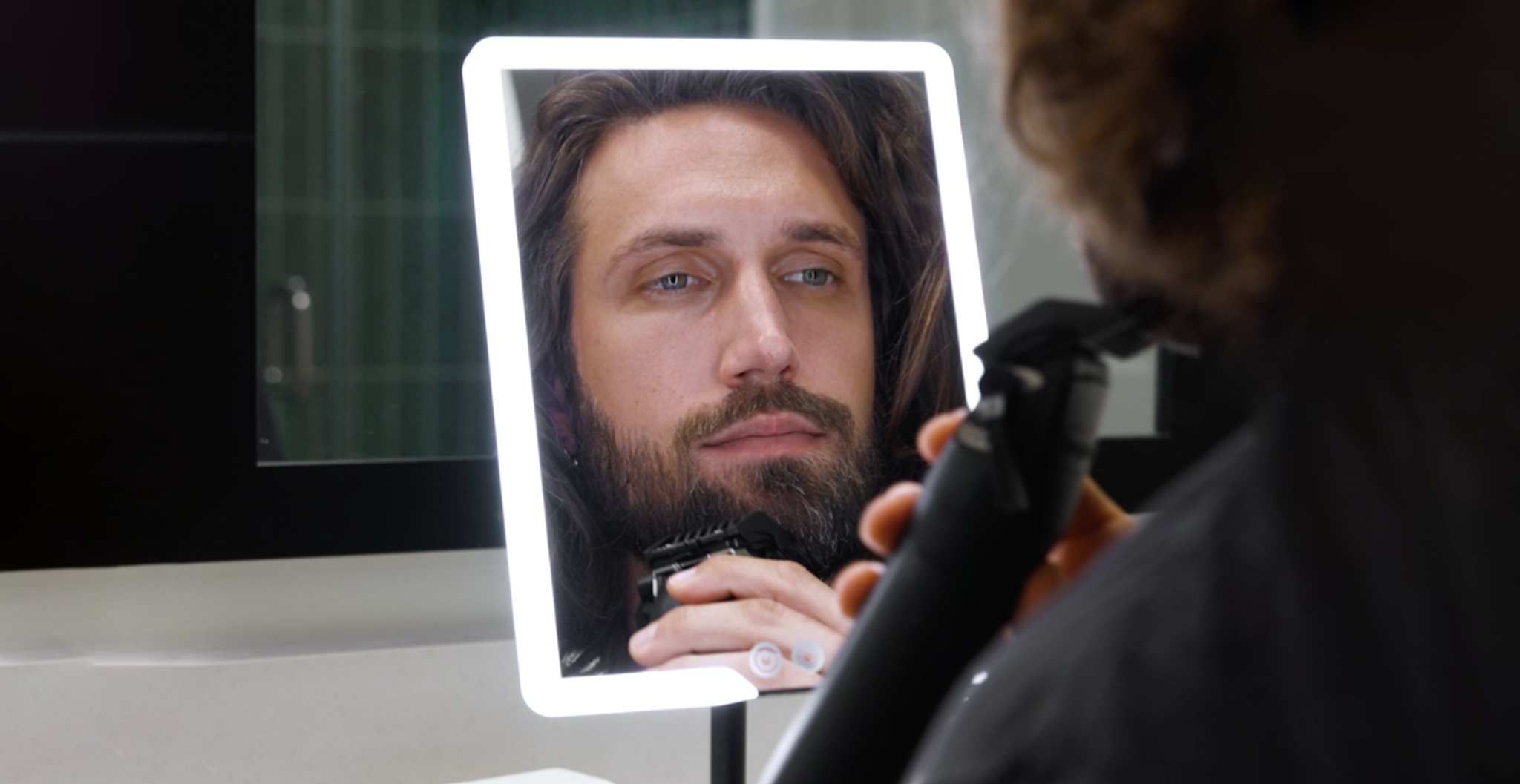
ORBIT gives you a larger lit mirror face for the full base check, plus a 7x magnification add-on for short, precise checks around the nose, jawline and brows. That matters when SPF looks fine in bathroom light, then rolls as soon as you start blending.

The Bottom Line
SPF pilling under makeup is usually not one fatal product flaw. It is a small system failure: too much product, not enough setting time, or formulas that dislike each other. The fix is boring in the best possible way. Simplify, wait, press instead of rub, and check texture in honest light before you leave.
If your makeup only behaves when you skip sunscreen, the routine is not good enough yet. Keep the SPF. Fix the layering.
Choose by where pilling shows up
The LUNA mirror selector for SPF and makeup checks
Use the table as a practical shortcut. The best mirror is not always the biggest one, it is the one that fits the point where your routine usually goes wrong.
| Mirror | Best for | Key features | Here’s Our Favourite |
|---|---|---|---|
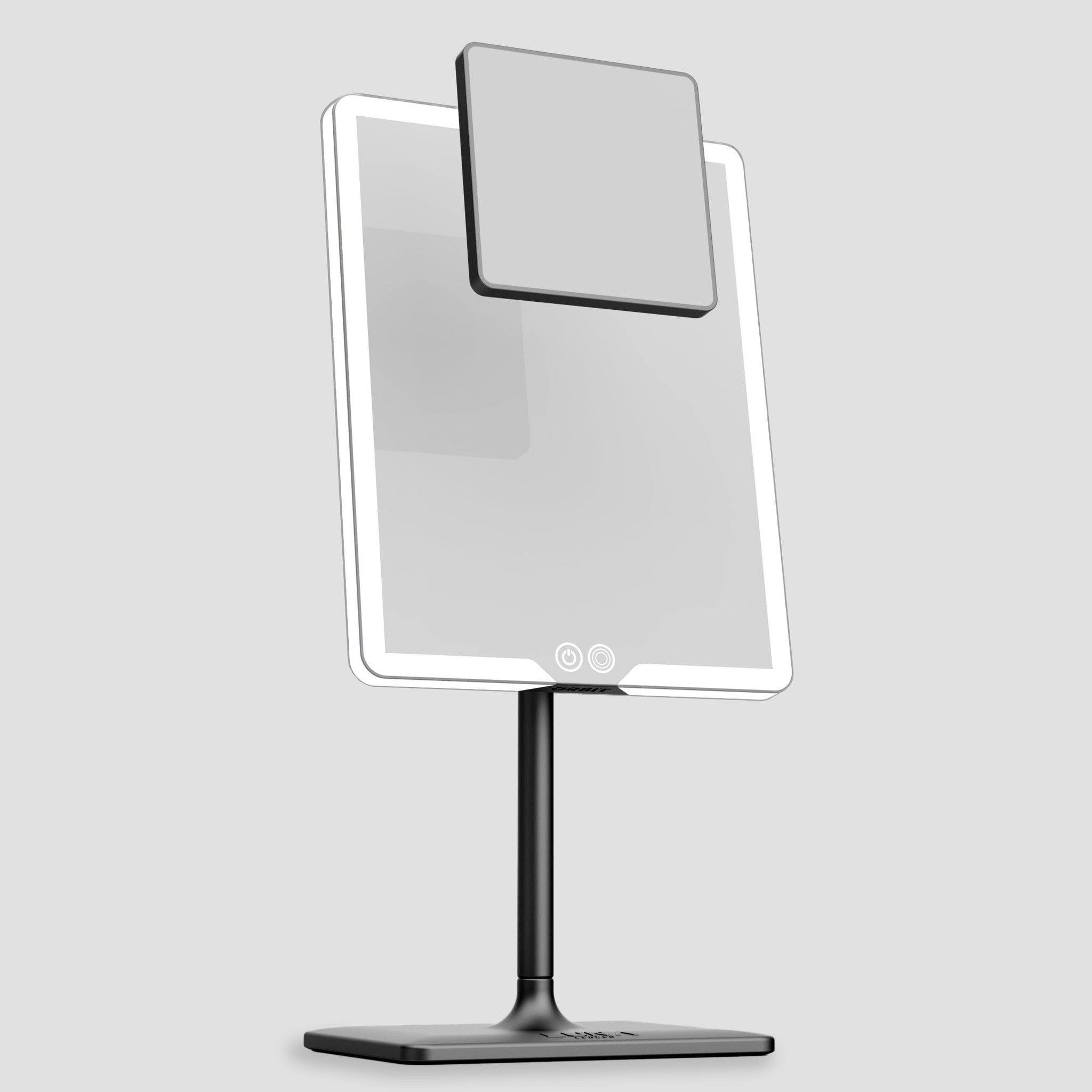 |
ORBIT Home SPF, foundation and full-face checks |
Large 11-inch mirror face, 3 LED brightness settings, 7x magnification add-on | Shop ORBIT for the most complete pre-leave mirror check. |
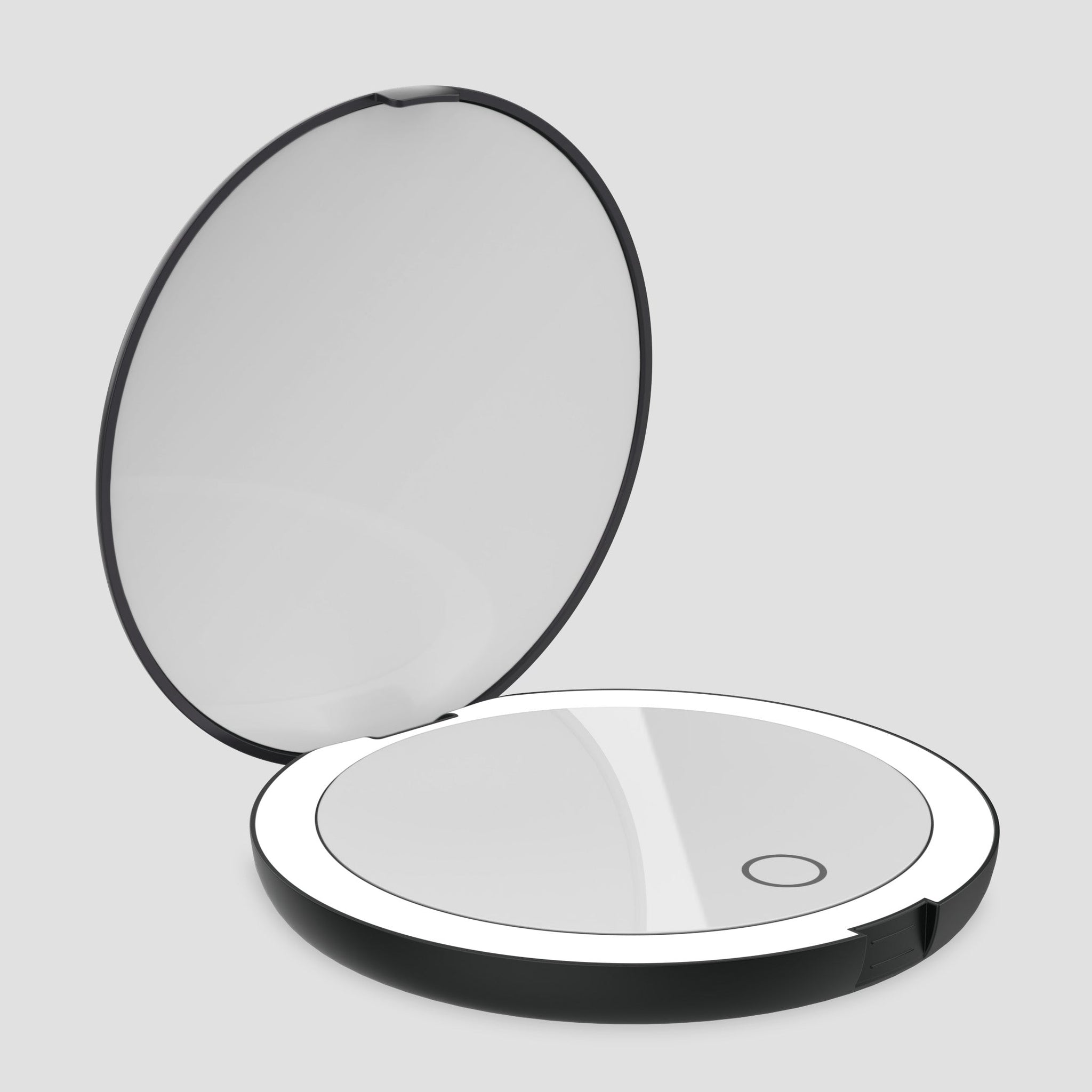 |
COMPACT 2.0 Handbag checks, SPF touch-ups and close detail |
1x and 7x magnification mirror, 3 LED brightness settings, USB C rechargeable | Shop COMPACT 2.0 if pilling usually appears after you leave home. |
 |
ECLIPSE Travel, desk and hotel lighting checks |
Fold-flat design, 3 LED brightness settings, USB rechargeable, no magnification | Shop ECLIPSE when lighting is the issue, not close-up detail. |
 USA
USA
 UK
UK
 EU
EU
FAQs
Why does my sunscreen pill under makeup?
Sunscreen usually pills under makeup because there are too many layers, the sunscreen has not settled, or the primer and foundation are disturbing the SPF film. Try fewer skincare layers, wait until sunscreen feels set, then press foundation on instead of rubbing.
Should sunscreen go before or after primer?
Sunscreen should usually go before primer and makeup. Apply skincare first, then sunscreen, let it settle, and only then apply primer if you still need it. If primer makes your makeup pill, test your base without it for a day.
How do I stop makeup pilling with SPF in summer?
Use a lighter morning routine, blot oil before reapplying SPF, avoid heavy rubbing, and check high-friction areas in a lit mirror before leaving. The jawline, nose sides and between the brows are the first places to inspect.


Leave a comment
This site is protected by hCaptcha and the hCaptcha Privacy Policy and Terms of Service apply.