

Last updated: 3rd April 2026
Summary: If you want a detangling brush for wet hair after showering, prioritise flexible bristles, wide spacing, and a grip that stays steady with damp hands. Detangle when hair is damp (not dripping), use slip (conditioner or leave-in), and work from ends to roots to reduce breakage.
How to Choose a Wet-Hair Brush That Reduces Breakage
Most “bad detangling” isn’t about weak hair. It’s about timing, friction, and the wrong tool. When hair is wet, it stretches more and can be easier to deform, which is why tugging with a stiff brush often turns into snapped strands. A simple tweak (the right brush plus the right order of detangling) usually makes the biggest difference.
If you want a deeper technique walk-through (and a quick post-shower sequence), you can also read How to Detangle Wet Hair Properly: The 5-Minute Post-Shower Method. This guide stays focused on the buying decision: what features matter and which options suit different hair types.
Buying criteria that actually matter for wet hair
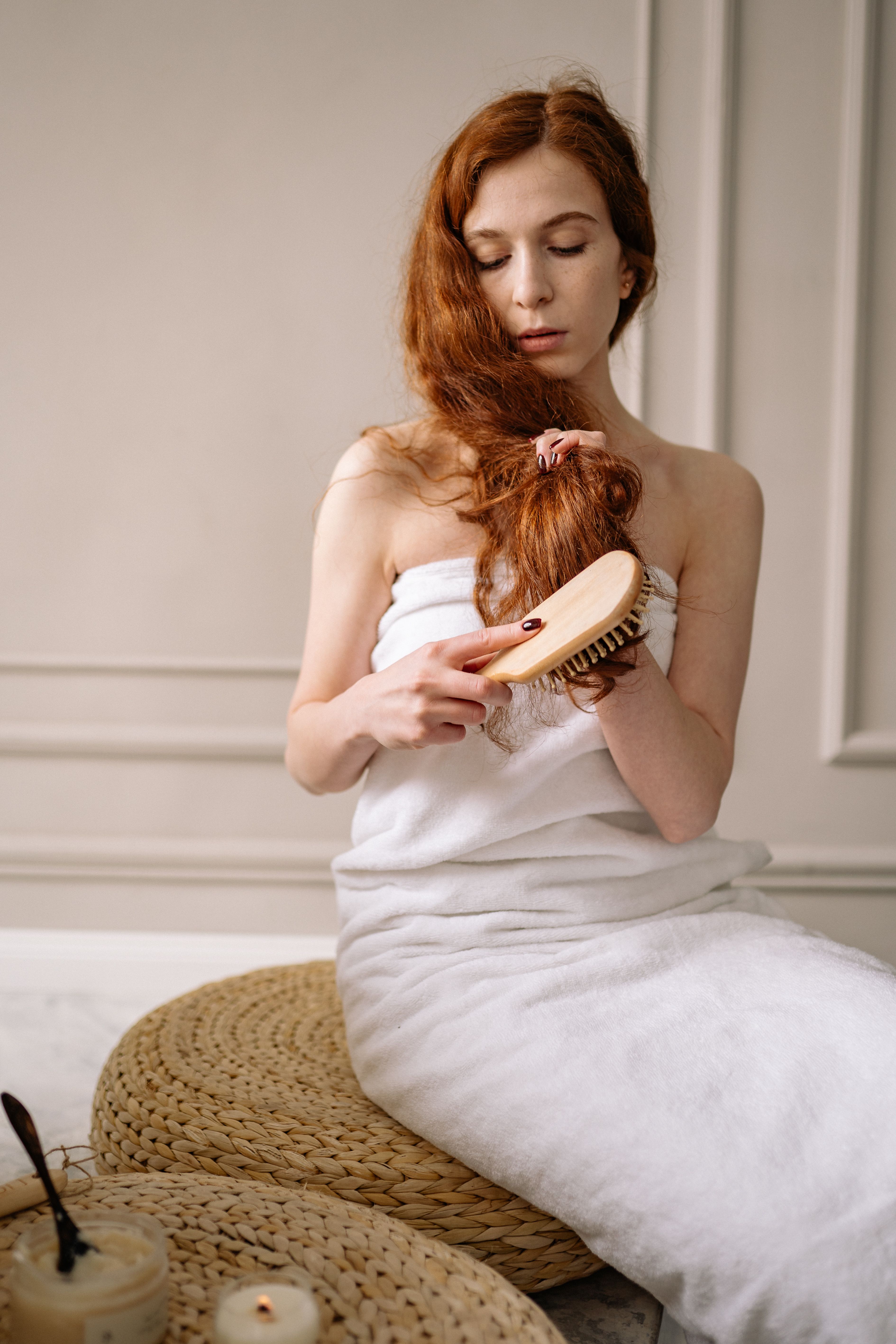
Ignore marketing words like “miracle” and look for mechanics. You want the brush to separate strands with minimal tension at the scalp and minimal snagging through mid-lengths. The American Academy of Dermatology’s hair care guidance consistently comes back to the same ideas: reduce friction, avoid aggressive brushing, and be gentler when hair is vulnerable.
| What to check | Why it matters after the shower | Quick rule of thumb |
|---|---|---|
| Bristle flexibility | Flexible bristles “give” when they hit resistance, reducing sudden pulling. | If it feels rigid on your palm, it will feel worse on knots. |
| Wide spacing | Wider spacing helps the brush glide through clumps instead of compacting them. | Coarser spacing usually suits thicker or curlier hair. |
| Teeth tip shape | Rounded tips are generally kinder to the scalp, especially with damp hair. | Avoid sharp-feeling tips that “catch”. |
| Handle grip (wet hands) | A slip-prone handle makes you over-grip and over-pull without noticing. | Choose textured rubberised grip or matte finish. |
| Drainage / easy cleaning | Post-shower routines often involve conditioner and leave-in, so buildup happens fast. | If it’s hard to rinse clean, you’ll stop cleaning it. |

⚡ PRO INSIGHT: If your hair is dripping wet, pause. Gently squeeze out water with a towel or microfibre wrap first, then detangle when damp. The aim is less stretch, less friction, and more control.
Expert quote: “In general, wet hair is more fragile and prone to breakage than dry hair.” – Dr Timothy Schmidt (University of Utah Health) (source)
Brush types compared (so you don’t buy the wrong thing)
“Best” depends on your hair type and your friction points. Fine hair often needs gentler tension control. Thick or curly hair often needs wider spacing and more slip to prevent snagging. If you style heat after, the goal is to finish detangling with as little strain as possible, which aligns with “avoid unnecessary damage” guidance from the AAD’s styling without damage advice.
| Tool type | Best for | Watch-outs |
|---|---|---|
| Flexible detangling brush | Most hair types, especially when you want speed + comfort | Over-brushing can still cause breakage if you rush from roots first |
| Wide-tooth comb | Curly/coily hair in conditioner, very knot-prone sections | Cheap combs can have seams that snag; check edges |
| Vented paddle brush | Damp detangling + blow-dry prep for straighter hair types | Can be too aggressive for tight curls without slip |
| Boar bristle brush | Dry hair smoothing and shine distribution | Not a wet-hair detangler. Often increases friction when wet |
Shortlist: best detangling brush picks for wet hair after showering

Below are practical picks that map to common needs (fine hair, thick hair, quick shower routine, travel). We’ve included one “best overall” option plus alternatives depending on what your hair actually does on wash day. For extra context on knot patterns and why some brushes feel painful, see Painless Detangling Brush for Knots: What Actually Helps.
| Pick | Best for | Why it works | Here’s Our Favourite |
|---|---|---|---|
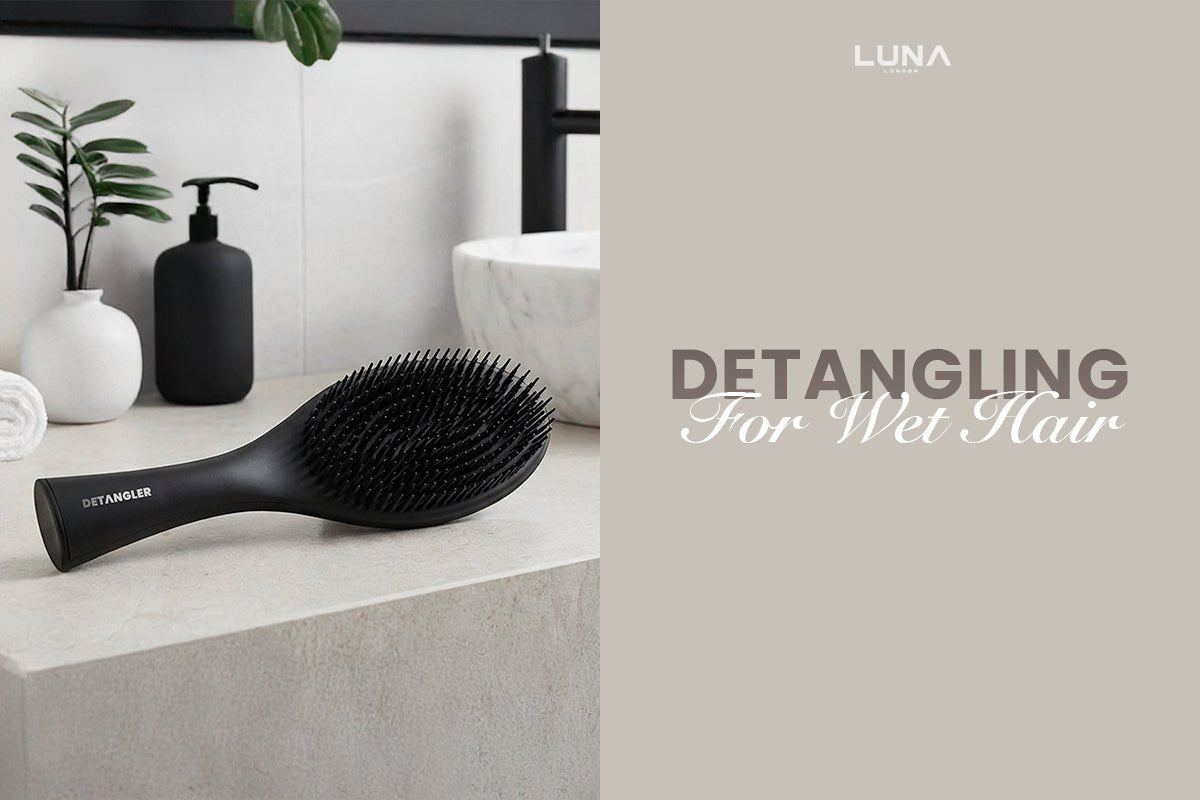
| DETANGLER (LUNA London) | Best overall for wet + dry hair, especially if you want less pulling | Flexible dual-layer bristles prioritise glide and comfort, so you can detangle faster with less strain | Yes: a gentle, fast wet-hair detangling brush that supports a low-breakage routine |
| Tangle Teezer Wet Detangler | Fine to medium hair, everyday shower detangling | Designed specifically for “shower-fresh” hair, with teeth spacing aimed at gentler detangling | Runner-up for fine hair and quick routines |
| Tangle Teezer Wet Detangler Large | Thicker hair or longer lengths (more surface area, fewer passes) | Larger head helps detangle long hair with fewer strokes, which can reduce cumulative friction | Best if you detangle a lot of length |
| Wet Brush Original Detangler | Sensitive scalps, kids, and anyone who wants a softer “feel” | Soft bristles and a forgiving feel can make slow, end-first detangling easier to stick with | Good comfort pick for tender scalps |
One more nuance: research into mechanical wear and hair fibre damage keeps pointing to the same core issue, repeated stress. If you’re brushing hard through resistance (especially when hair is at its most deformable), you raise the odds of cuticle wear and breakage over time. If you’re curious, here’s a recent open-access review touching textured hair care and damage considerations: MDPI Cosmetics: textured hair care and damage (2025).

The 2-minute post-shower detangling routine (less breakage, less drama)
- Squeeze, don’t rub: press out water with a towel (microfibre if you have it) to reduce friction.
- Add slip: a light leave-in or conditioner residue is your friend. Detangling dry-damp hair with zero slip is when tugging spikes.
- Start at the ends: work 5–10cm above the ends until the brush glides, then move upward.
- Hold the section: support hair above the knot to reduce tension at the scalp.
- Stop when it’s smooth: once strands separate easily, you’re done. Extra brushing is extra stress.
If you’re building a “polished but realistic” getting-ready flow, a quick mirror check helps you spot frizz at the crown and nape before you leave. (It’s often lighting, not “bad hair”.) This is why we like a final check step: Date Night Ready: The Final Mirror Check.
Video: detangling without breakage (dermatologist tips)
Common mistakes that make wet detangling feel painful
- Root-first brushing: you push knots tighter into a bigger knot.
- No slip: friction climbs, then you compensate by pulling harder.
- Detangling when soaking wet: you lose control and often over-stretch strands.
- Too many passes: once it’s smooth, stop. More brushing is not “extra care”.
- Using the wrong tool for your texture: tight curls usually need wider spacing and a slower pace.
If you want a more “why this works” breakdown (bristles, flex, and why some brushes snap hair), this companion read is worth a skim: The Detangling Hair Brush People Keep Asking For. And if you care about how lighting changes what you see (hairline, flyaways, partings), this one is surprisingly relevant: Best Magnifying Mirror for Influencers.
A gentler post-shower detangle
If your main goal is fewer snapped strands, choose a flexible brush built for wet hair and stick to an ends-first routine. DETANGLER is designed to glide through knots with less pulling, so your wet hair routine feels quicker and calmer.
FAQs
What is the best detangling brush for wet hair after showering?
The best option is usually a flexible detangling brush with wide-enough spacing for your hair type, plus a secure grip for wet hands. If you want an all-rounder built for wet and dry use, DETANGLER is designed around glide and reduced pulling.
Should I detangle hair when it’s soaking wet or damp?
Damp is typically safer. Soaking wet hair can be harder to control and easier to over-stretch. Squeeze out water first, add slip (conditioner or leave-in), then detangle gently from the ends upward.
Is a wide-tooth comb better than a detangling brush?
A wide-tooth comb can be excellent for curly/coily hair, especially in conditioner, because it reduces snagging. A flexible detangling brush can be faster for many hair types, as long as you use light pressure and detangle ends-first.
How do I detangle without ripping hair out?
Use slip, start at the ends, work in small sections, and hold the hair above the knot to reduce scalp tension. The goal is steady glide, not speed. If you feel pain, reduce pressure and take smaller passes.
What brush is best for fine hair that tangles easily?
Fine hair often benefits from softer, more flexible bristles that don’t yank at roots. A wet-hair detangling brush designed for gentle tension (and fewer strokes) usually beats stiff, dense brushes.
How often should I clean my detangling brush?
If you use conditioner or leave-in, aim weekly. Product buildup increases friction, and friction increases snagging. A quick rinse plus occasional gentle wash keeps the brush gliding properly.
Related links
- How to Detangle Wet Hair Properly: The 5-Minute Post-Shower Method
- Painless Detangling Brush for Knots: What Actually Helps
- The Detangling Hair Brush People Keep Asking For
- Date Night Ready: The Final Mirror Check
- University of Utah Health: Brushing wet hair (why it breaks)
- American Academy of Dermatology: Style hair without damage


Leave a comment
This site is protected by hCaptcha and the hCaptcha Privacy Policy and Terms of Service apply.