
Last updated: 11 May 2026
The Real Fix for Foundation Breaking Up Around Your Nose
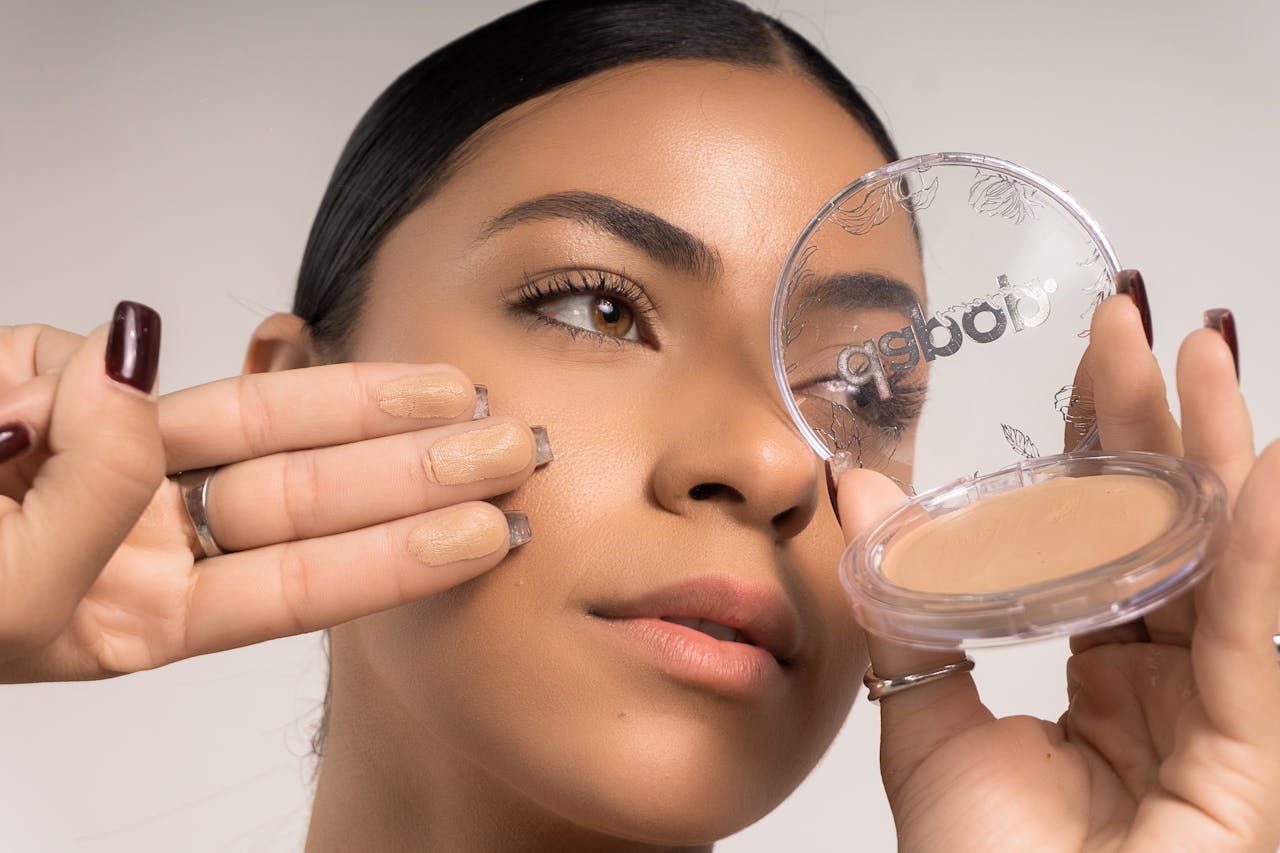
If your foundation looks smooth everywhere except around the nose, you are not imagining it. The nose is one of the hardest places on the face for base to hold because it combines oil, pores, movement, touch, glasses, tissue rubbing and awkward little folds beside the nostrils. Lovely. Basically, it is where makeup goes to be stress-tested.
The weak assumption is that this always means you need a stronger foundation. Sometimes you do. More often, the fix is less dramatic: cleanse less aggressively, stop overloading the nose with product, let skincare settle, and use a tiny amount of powder only where the base actually moves. If you have been fighting the same wider problem, our guide to stopping makeup looking cakey covers the full-face version, but this guide stays tightly on the nose area.
In a hurry? The usual causes
- Oil breaks down the base: the nose often produces more visible shine than the cheeks.
- Dry texture grabs product: flakes around the nostrils make foundation cling, split or look grainy.
- Too much product sits on top: thick layers separate faster than thin pressed layers.
- Skincare and primer do not agree: rich creams, silicone primers, gripping primers and SPF can pill or slip when stacked.
- Movement ruins the finish: nostril folds, smiling, touching, glasses and tissue use disturb the base.
- Bad light makes you over-correct: overhead bathroom light can make redness and shadows look worse, so you add too much.
| What you see | Most likely cause | Best first fix |
|---|---|---|
| Foundation vanishes from the tip of the nose | Oil, touching, sunglasses or glasses | Use less skincare, press in a thin layer, set lightly |
| Foundation gathers beside nostrils | Too much product in a moving fold | Remove excess with a sponge, powder only the crease |
| Base looks dotty or broken over pores | Oil, visible sebaceous filaments, product sitting on top | Thin layers, gentle exfoliation if suitable, no rubbing |
| Foundation looks flaky around the nostrils | Dryness, irritation or over-exfoliation | Pause harsh actives, moisturise lightly, skip heavy powder |
1. The nose is oily, but stripping it makes things worse
The nose sits in the T-zone, so oil is often part of the story. Cleveland Clinic explains that sebaceous filaments help move sebum to the skin surface, and they are most apparent around areas such as the nose, forehead and chin. That matters because foundation does not grip well when it is floating over fresh oil.
Still, the answer is not to scrub your nose until it feels squeaky. The American Academy of Dermatology’s advice for controlling oily skin is much calmer: use a gentle foaming face wash, avoid harsh oil-based or alcohol-based cleansers, moisturise after cleansing, and choose oil-free, water-based makeup where useful.
⚡ PRO INSIGHT: If your nose feels tight before makeup, you may have over-cleansed. Tight skin can still get oily later, but now foundation also has dry texture to cling to. That is the worst of both worlds.

For close-up foundation checks
Catch nose separation before daylight does
If foundation keeps breaking around the nostrils, the answer is not always more base. ORBIT gives you a larger face-level view first, then a 7x magnification add-on for the tiny folds, texture and missed blending that need a closer look.
2. Dry flakes around the nostrils make foundation split
Nose separation is not always an oily-skin problem. Around the nostrils, skin can be dry from cold weather, hay fever, tissue use, retinoids, acids, hot water or over-exfoliation. Foundation then catches on tiny rough patches and looks separated even if the rest of the face is fine.
If you exfoliate, keep it boring and careful. The AAD’s 2026 guidance on safe at-home exfoliation says exfoliation is not for everyone, should be chosen by skin type, and can cause damage, redness or breakouts when done incorrectly. It also advises moisturising after exfoliation because it can dry the skin.
That is why a nose-area fix often starts the night before. Skip the harsh scrub. Use a gentle cleanse, a light moisturiser, and avoid starting a new active right before a day when your base needs to last.
3. Makeup artists usually use less foundation on the nose, not more
This is the bit people do not love hearing: the nose may not need the same coverage as the cheeks. A thick foundation layer down the centre of the nose is more likely to split, rub off or collect in pores.
“I never put foundation down the front of the nose, only the sides.”
Source: Violette, makeup artist and founder, PORTER / NET-A-PORTER
Celebrity makeup artist Mary Phillips makes a similar broader point in Vogue’s 2026 foundation feature, describing foundation as thin, intentional layering rather than covering everything. That is exactly the logic that works around the nose. Correct the redness where needed. Do not paint a full mask over the most mobile, oily part of the face and expect it to behave all day.
4. The professional nose-area routine
Use this when foundation keeps breaking up around the nose by lunchtime. It takes a few minutes, but it saves you from doing the same failed routine with more powder on top.
| Step | What to do | Why it helps |
|---|---|---|
| 1 | Cleanse gently and pat dry, do not scrub the nose. | Keeps surface texture calmer so base has less to catch on. |
| 2 | Apply a light moisturiser only where needed, then wait. | Prevents both flaking and skincare slip. |
| 3 | Use primer only if it solves a real issue, such as grip or pore blur. | Stops unnecessary layering from causing pilling. |
| 4 | Apply foundation around the nose last, using leftover product. | Less product means less separation. |
| 5 | Press with a damp sponge or fingertip, do not rub. | Melts edges without lifting the layer underneath. |
| 6 | Powder only the nostril fold and shiny centre if needed. | Controls movement without making dry areas crusty. |
5. Primer mismatch is a real thing, but do not overthink it
Yes, some primers and foundations clash. Water-rich skincare, silicone-heavy smoothing primers, gripping primers, sunscreen and matte foundation can all work beautifully alone, then misbehave when stacked together. The lazy internet answer is “match water-based with water-based and silicone with silicone”. It can help, but it is not a magic law. Formula chemistry is messier than that.
The more useful test is practical. Apply your skincare, wait five minutes, then rub lightly beside the nose. If it pills before foundation, the base will probably fail. If it feels slick and never settles, reduce the skincare. If foundation beads on top, try less primer or switch primer only to the exact areas that need it.
⚡ PRO INSIGHT: The nose is not the place to test every product in your routine. Keep that area boring: light moisturiser, optional targeted primer, thin foundation, tiny powder.
6. The lighting check most people skip
This is where LUNA belongs in the article, but not as a forced fix. Lighting does not stop oil production. A mirror will not magically make a foundation compatible with the wrong primer. What better light does do is stop you from over-applying because a bathroom shadow made the nose look redder, darker or more textured than it really was.
Use neutral, face-level light when judging foundation around the nose. If you use overhead light only, shadows beside the nostrils can look like redness or patchiness, so you add more product exactly where product is least likely to last. Our guide to makeup mistakes under bad lighting goes deeper on this, while good lighting for makeup explains when warm, cool and natural white light are most useful.
A quick rule: apply base in 1x, check the nose folds close-up only after, then step back again. Magnification is brilliant for detail, but if you stay zoomed in too long, you will start fixing texture no one else can see.
When light is part of the fix
If your foundation only looks broken after you leave the house, check the mirror setup
ORBIT helps you catch over-application around the nose before daylight does. Use the full mirror for the whole face, then the 7x magnification add-on only for nostril folds, pores and small edge corrections.

The best way to apply foundation makeup to your nose
If you prefer to see the nose-area breakdown in motion, this tutorial is a useful companion before trying the thinner-layer routine.
Best LUNA setup if foundation keeps breaking up
You do not need a mirror for every foundation problem. That would be a bit convenient, and not always true. But if your issue is over-correcting in bad light, missing texture until you are outside, or needing a clean close-up touch-up around the nose, the right mirror setup can genuinely reduce mistakes.
| Mirror | Best for | Key features | Here’s Our Favourite |
|---|---|---|---|
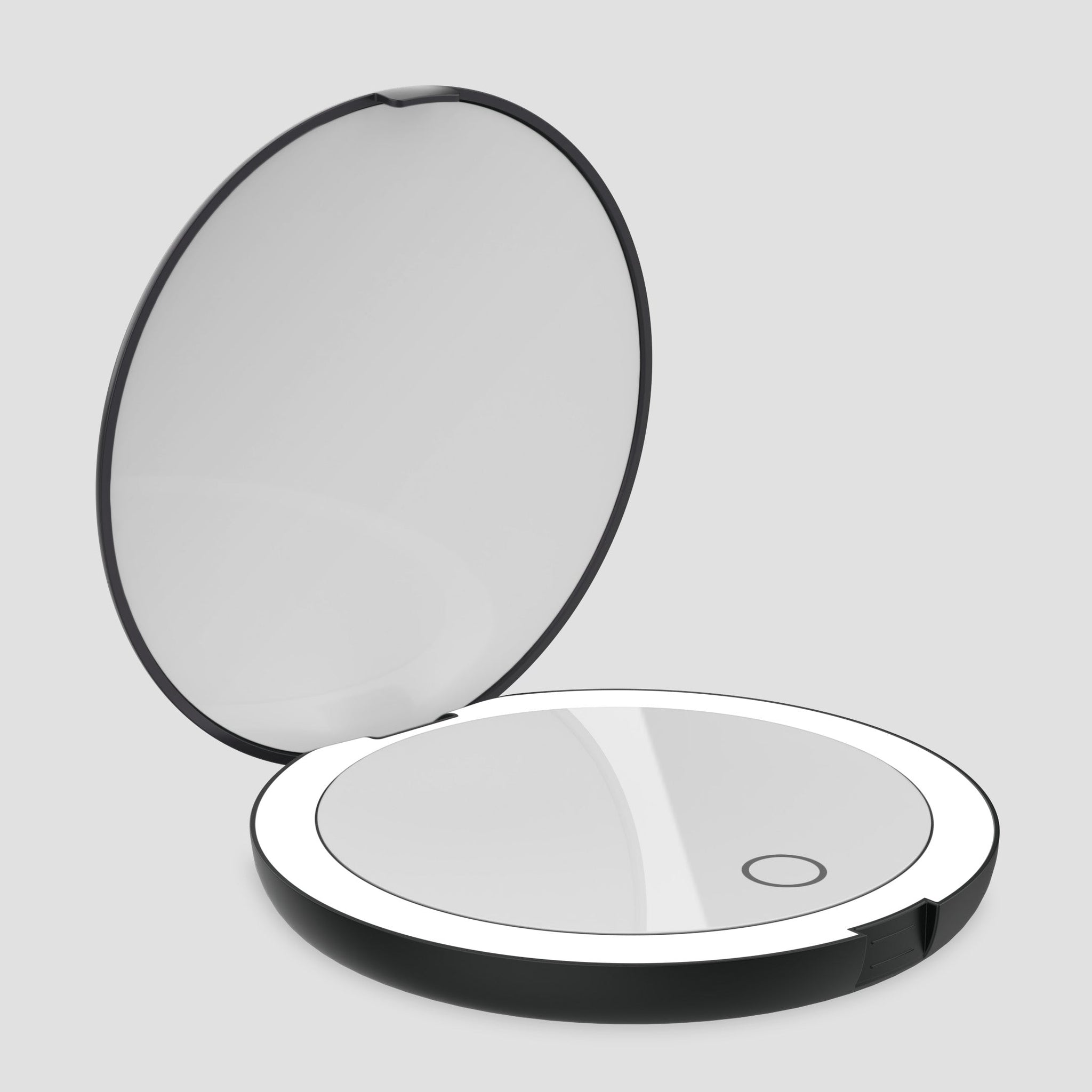 COMPACT 2.0 COMPACT 2.0 |
COMPACT 2.0 Close-up nose checks, travel touch-ups and small-bag rescue moments. |
1x and 7x magnification, 3 dimmable light modes, USB-C rechargeable. | The best fit for this article because it helps with detail checks without turning the whole routine into a full vanity setup. |
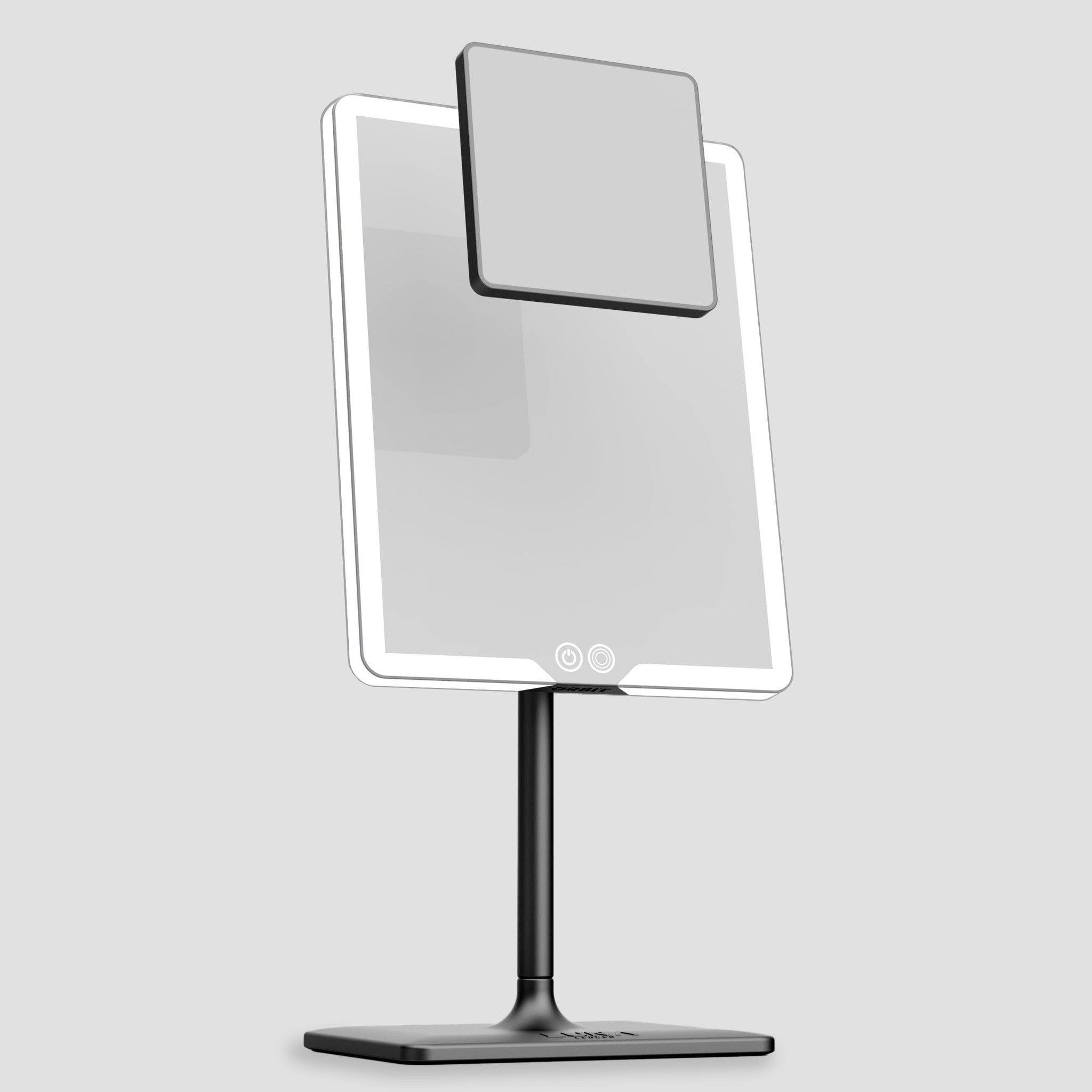 ORBIT ORBIT |
ORBIT Bedroom vanity routines, mature-skin precision and full-face checks. |
Large 11-inch mirror face, 3 light modes, detachable 7x magnified attachment, rechargeable design. | Best if the problem is not just the nose, but overall base accuracy and product placement. |
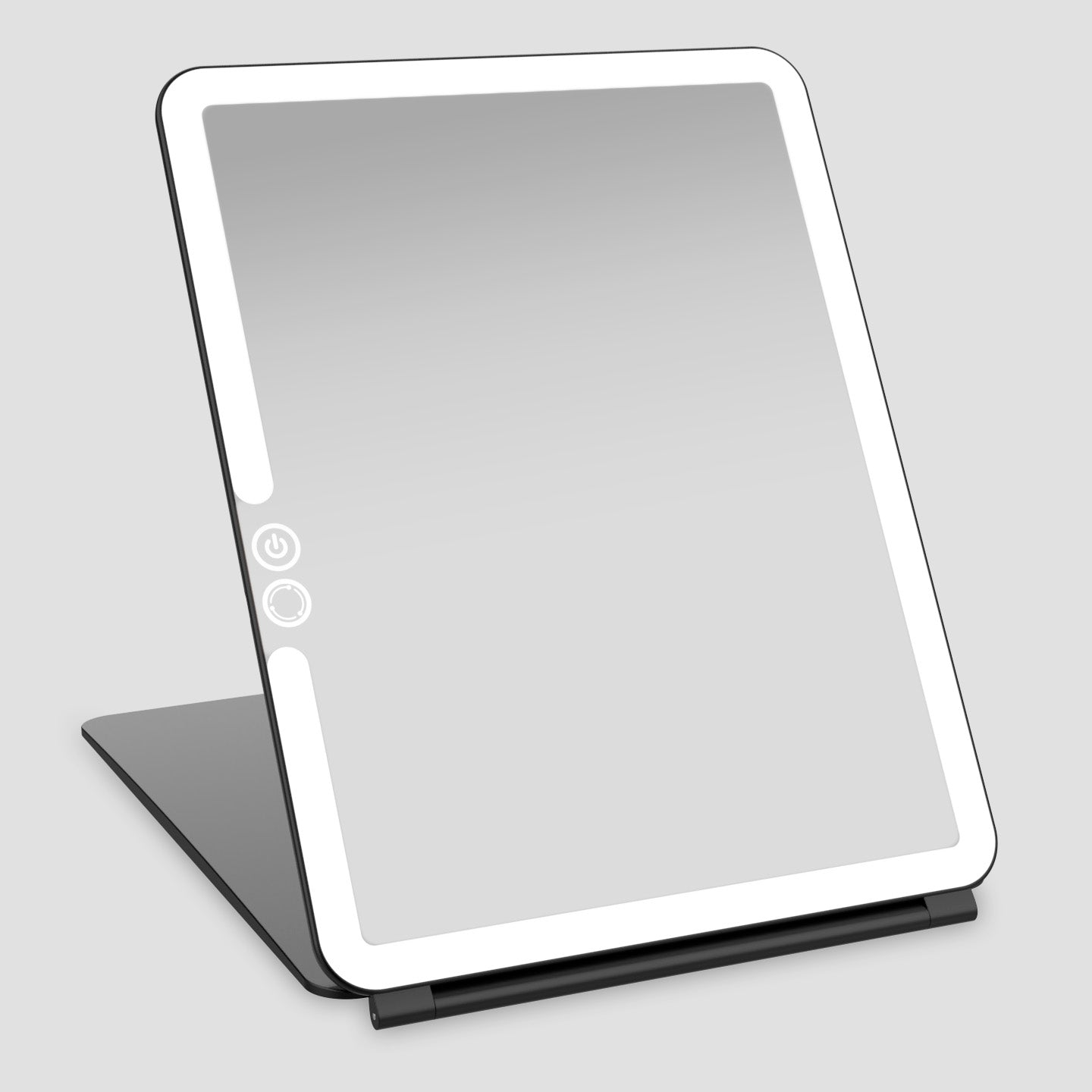 ECLIPSE ECLIPSE |
ECLIPSE Hotel lighting, desk touch-ups and simple front-facing light. |
3 dimmable light modes, fold-flat travel shape, USB rechargeable. No magnification. | Best if your main issue is poor room light, not close-up detail work. |
How to touch up foundation around the nose without making it worse
Midday touch-ups are where good makeup often dies. If you add powder straight onto oil and broken foundation, you create a thicker, patchier layer. Do this instead.
- Blot first with tissue or blotting paper. Press, do not drag.
- Use a clean fingertip or sponge to smooth the edge of the separation.
- Add the smallest dot of concealer or foundation only if redness is still showing.
- Press again to merge old and new product.
- Set only the nostril fold or shiny tip with a tiny amount of powder.
If the base has fully lifted, accept defeat in that tiny area. Removing and reapplying a small patch often looks better than layering five products over a broken one.

The bag mirror that still does detail
For the nose touch-up you notice halfway through the day
COMPACT 2.0 is the better fit when foundation separates away from the dressing table: nostril folds, nose tip, upper lip and smile lines. The 7x magnification mirror helps you fix the tiny area, then the 1x view stops you overworking the rest of your base.
Fast tracked delivery available in:
 USA
USA
 UK
UK
 EU
EU
FAQs
Why does foundation separate around my nose but not my cheeks?
The nose usually has more oil, visible pores, movement and contact than the cheeks. Glasses, sunglasses, touching your face and tissue use can also disturb makeup there faster than on flatter parts of the face.
Should I use primer on my nose if foundation keeps breaking up?
Only if primer solves the specific issue. A mattifying or gripping primer can help an oily nose, but extra primer can make dryness, pilling or product buildup worse. Test a tiny amount only around the nostril folds and nose tip.
Is powder good or bad for foundation separating around the nose?
Powder is useful when it is targeted. Press a small amount into the nostril fold or shiny centre of the nose. Avoid sweeping powder across dry, flaky areas because it can make separation look crusty.
Related links
- How to Stop Makeup Looking Cakey
- Makeup Mistakes Under Bad Lighting
- Good Lighting for Makeup: Warm, Cool or Natural White?
- COMPACT 2.0 Matte Black
- ORBIT Phantom Black
- ECLIPSE Matte Black



Leave a comment
This site is protected by hCaptcha and the hCaptcha Privacy Policy and Terms of Service apply.