
Last updated: 28 February 2026
The Future of Beauty Tech: What to Look Out For in 2026
2026 is the year beauty tech stops being “cool” and starts being quietly useful, if you know what to look for.
Summary: In 2026, the best LED beauty tech is the kind that improves consistency, not hype. Look for clear claims, sensible safety guidance, strong privacy defaults, and features that help you see results over time, not just “feel” them in the moment.
LED Beauty Tech in 2026: The In-Depth Guide to Smarter Skin, Hair, and Home Routines
Picture the “beauty counter” in 2026. Not a lab. Not a gadget graveyard. Just a handful of tools that earn their spot because they remove friction: fewer bad-light makeup surprises, fewer impulse product swaps, fewer confusing app dashboards, fewer “is this working?” spirals.
The big shift is that beauty tech is finally being designed around repeatability. Not just brightness, not just speed, not just more modes. Repeatability is what turns a device into a routine, and routines are where outcomes show up.
This guide is a trend map and a buyer’s checklist. It’s also a gentle warning: a lot of “future of skincare” marketing in 2026 will sound scientific while being oddly vague. Your job is to spot the difference between measurable and mystical.
What’s actually new in 2026 beauty tech (and what’s just rebranded)
| Trend | What’s improved in 2026 | What to be sceptical about |
|---|---|---|
| AI skincare planning | Better routine structure, better “why” explanations, fewer random product swaps | Vague “clinical-grade” claims without citations, or advice that ignores irritation risk |
| At-home light-based devices | More consumer education, clearer use-cases, better comfort and ergonomics | Overpromising timelines, “one device fixes everything”, no guidance on sensitive skin |
| Skin “scanning” and tracking | More consistent check-ins, less obsession with daily fluctuations | Claims that imply diagnosis, or tracking that pushes anxiety over action |
| Connected vanity hardware | Cleaner interfaces, fewer gimmicks, more focus on lighting accuracy and ergonomics | Always-on cameras, unclear data sharing, “smart” features that don’t help you look better |
| Hair and scalp tech | Better heat control, scalp-focused routines, more personalisation | Hard-sell “detox” narratives, or devices that ignore hair type realities |
⚡ PRO INSIGHT: If a device can’t explain what it measures, how often it changes, and what action it recommends, it’s not “smart”, it’s just loud.
AI skincare in 2026: more helpful, still risky
AI skincare apps in 2026 are better at the basics: building a routine that doesn’t contradict itself, warning you (sometimes) about over-layering actives, and turning random feedback like “tightness” or “stinging” into a calmer plan.
The risk is that AI can be confidently wrong in a way that feels personal. It’s easy to follow advice that sounds bespoke even when it’s generic. If you care about how AI systems should be evaluated and managed, the NIST AI Risk Management Framework is a good reference for what “trustworthy” should mean in practice.
In 2026, a useful AI skincare experience usually includes:
- Clear constraints, like “introduce one active at a time” and “hold steady for 2–4 weeks before judging results”.
- Simple tracking, like weekly photos or weekly notes, not constant daily scoring.
- Escalation guidance, like “talk to a clinician” when symptoms suggest irritation or infection.
Expert quote
“The AI RMF is intended to help manage risks to individuals, organisations, and society associated with AI.”
— Elham Tabassi, Chief of Staff, Information Technology Laboratory, NIST (via ANSI coverage)
Light-based skincare devices: the 2026 reality check
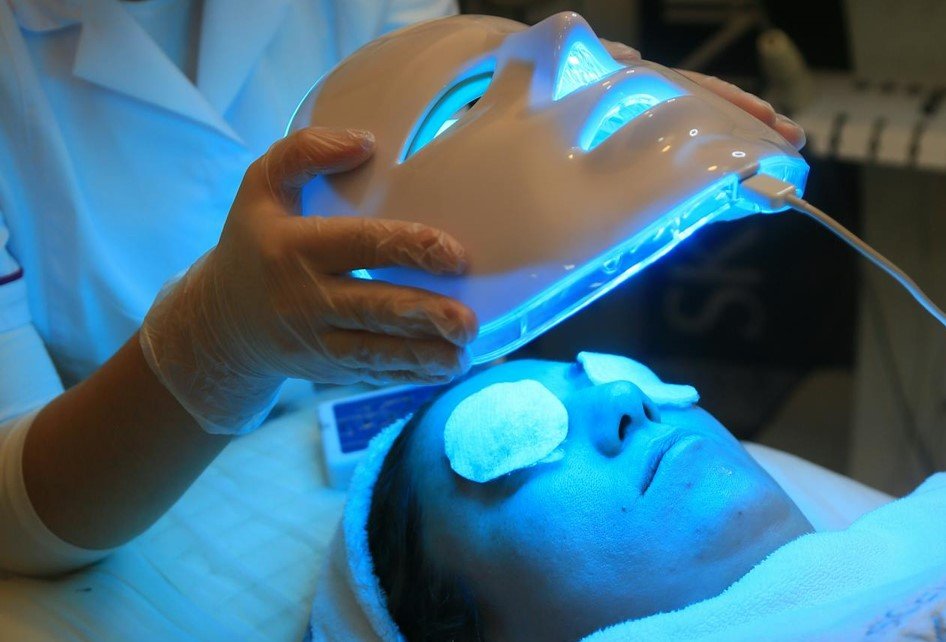
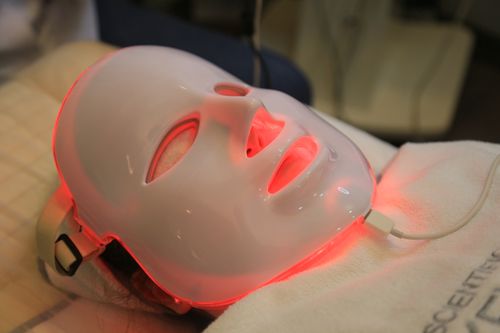
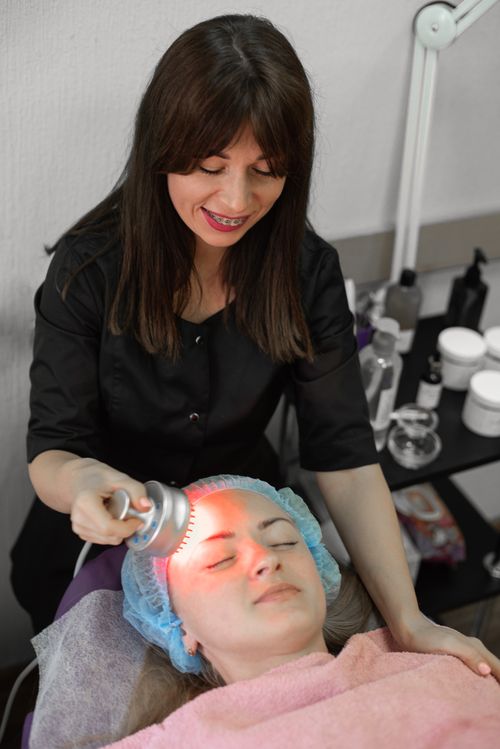
Light-based skincare devices are everywhere in 2026. Some are genuinely useful for specific goals, others are vague mood-lighting with a markup. The fast filter is this: what skin concern is it for, and what is the routine? If the “routine” is basically “use it whenever”, you’re buying hope.
For acne and certain skin concerns, reputable guidance exists on when lasers and light-based treatments are appropriate, and what to expect. The American Academy of Dermatology’s overview is a sensible starting point: Lasers and lights for acne.
The part most people miss: a lot of benefits come from consistency and not sabotaging your skin barrier. If a device pushes you into daily overuse, harsh cleansing, or “more is more” thinking, it can backfire.
Skin tracking in 2026: don’t turn your face into a dashboard
The best skin tracking in 2026 is boring. A weekly photo. A weekly check-in. A stable lighting setup. The worst skin tracking is daily scoring that makes you react to normal fluctuations, which then creates irritation, which then “proves” you need more tech.
A surprisingly high-leverage improvement is simply checking your skin under consistent, face-level light. This is why guides like Morning Sunlight vs LED: Which is Better for Skin Checks? resonate, because they pull the conversation back to reality: your skin didn’t change in ten minutes, your lighting did.
⚡ PRO INSIGHT: If your “smart” routine makes you change three variables at once, it’s not optimisation. It’s noise.
Augmented try-ons and “camera beauty”: better tech, bigger privacy trade-offs
AR try-ons, shade matching, and camera-based analysis are improving in 2026. The experience is smoother, and the results are often more believable. The hidden cost is that these experiences frequently rely on sensitive data, sometimes including biometric signals.
If you want a grounded view on where regulators are pushing, the UK Information Commissioner’s Office has been explicit about the need for clearer rules around biometric technology. See: ICO calls for clearer rules on the use of biometric technology.
Expert quote
“Biometric technologies can provide great benefit, but their use must be governed by clear rules.”
— Stephen Almond, Executive Director of Regulatory Risk, ICO (via ICO news & blogs)
When does beauty tech become a medical device in 2026?
A lot of beauty tech sits near the edge of health. In 2026, you’ll see more “clinical” language in marketing, and more software claiming it can identify conditions. That’s where regulation starts to matter.
In the UK, the MHRA’s work on software and AI as a medical device is a useful reference for how seriously “software claims” are being treated. If you’re comparing tools that sound increasingly medical, it’s worth reading: Software and AI as a medical device change programme work plan.
The 2026 buyer’s checklist for LED beauty tech
This is the part most trend articles skip. If you’re going to buy LED beauty tech in 2026, you need a filter that works in 60 seconds.
| What to check | Good sign | Red flag |
|---|---|---|
| Claims | Specific use-case, clear routine, sensible expectations | “Fixes everything”, “instant results”, “clinical-grade” with no context |
| Safety guidance | Clear contraindications, patch-test advice, stop conditions | No mention of sensitive skin, irritation, or when to pause |
| Data and privacy | Minimal data, clear permissions, easy deletion controls | Always-on camera assumptions, unclear sharing, vague “partners” |
| Repeatability | Easy to use daily/weekly, stable settings, simple feedback loops | Too many modes, too much setup, encourages constant tinkering |
| Lighting accuracy | Even, face-level light that helps you judge tone and texture consistently | Harsh overhead-only effects, glare, or “bright” that changes colour perception |
The boring secret behind “better results” in 2026: consistent lighting
Here’s the quiet truth: half the time, people think a product is failing when the real issue is that they’re judging their face under a different light every day. That’s how you end up changing moisturisers, actives, and shades, while your skin stays confused.
If you’ve ever felt like your makeup looks great in one room and chaotic in another, you’re not imagining it. You can see how much bad lighting changes decisions in 5 Makeup Mistakes Caused by Bad Lighting (and How to Fix Them).
⚡ PRO INSIGHT: If you want beauty tech to work, treat your lighting as “infrastructure”, not decoration. It’s the baseline that makes everything else more legible.
Where ORBIT fits in, without turning this into a sales pitch
If you take one thing from this whole “future of beauty tech” conversation, let it be this: the tools that last are the ones that make your routine calmer.
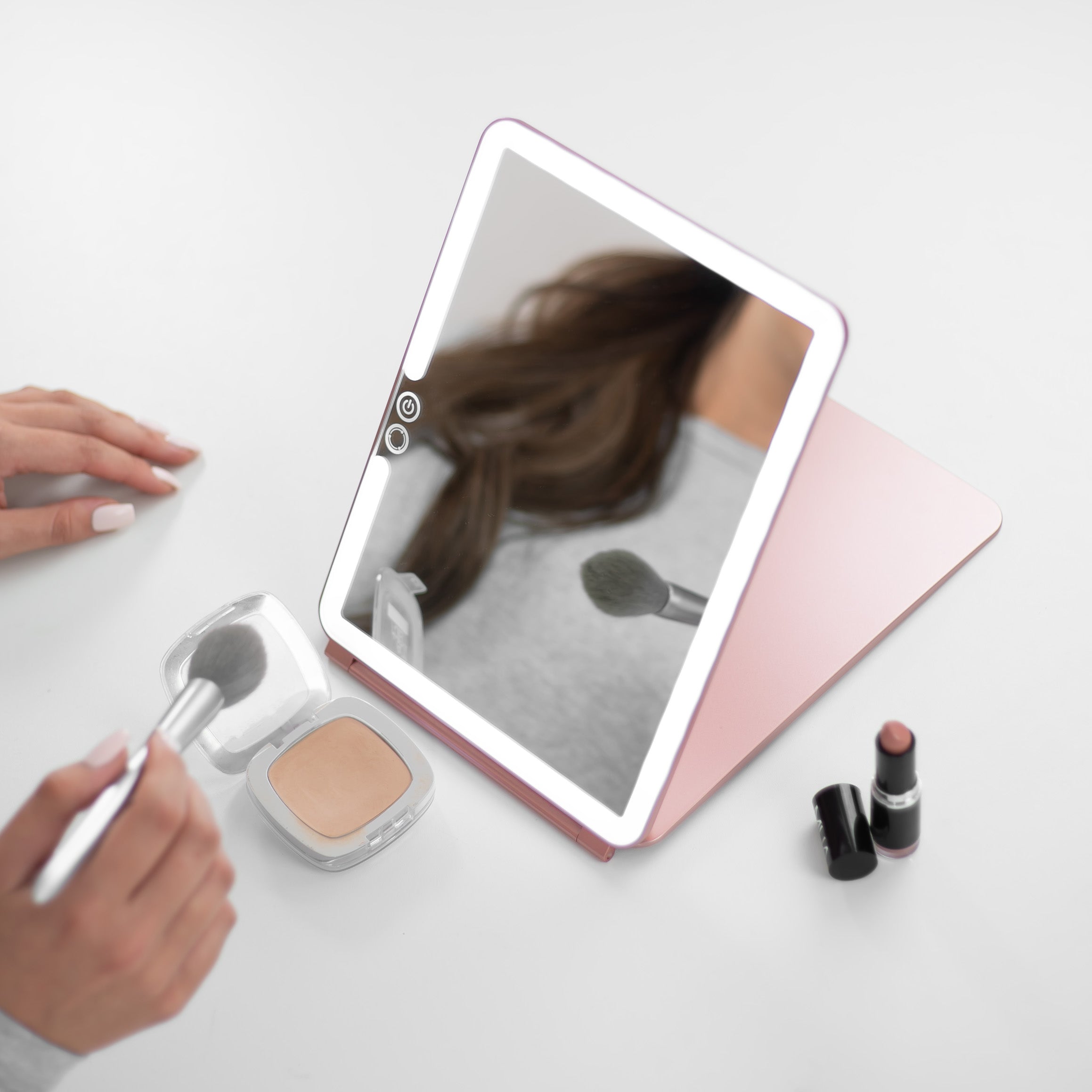
ORBIT is a simple example of that philosophy, because it focuses on the unglamorous, high-impact part of beauty routines, seeing clearly, consistently, at face level. If you want a quick way to improve skincare checks, makeup accuracy, and grooming symmetry, that consistency matters.
If you want to explore it directly, start here: ORBIT in Phantom Black. If you prefer a softer neutral finish for a calmer vanity aesthetic, this page is a good reference: ORBIT in Soft Stone.
| Routine moment | What matters in 2026 | Here’s Our Favourite |
|---|---|---|
| Weekly skin check | Repeatable light so you can compare week to week without “lighting lies” | ORBIT-style consistency for skin checks |
| Makeup base + blending | Even, face-level light so undertone and edges don’t surprise you later | ORBIT-friendly lighting habits |
| Beard lines + grooming | Stable angles and clear detail so symmetry is repeatable, not luck | ORBIT for men’s grooming |
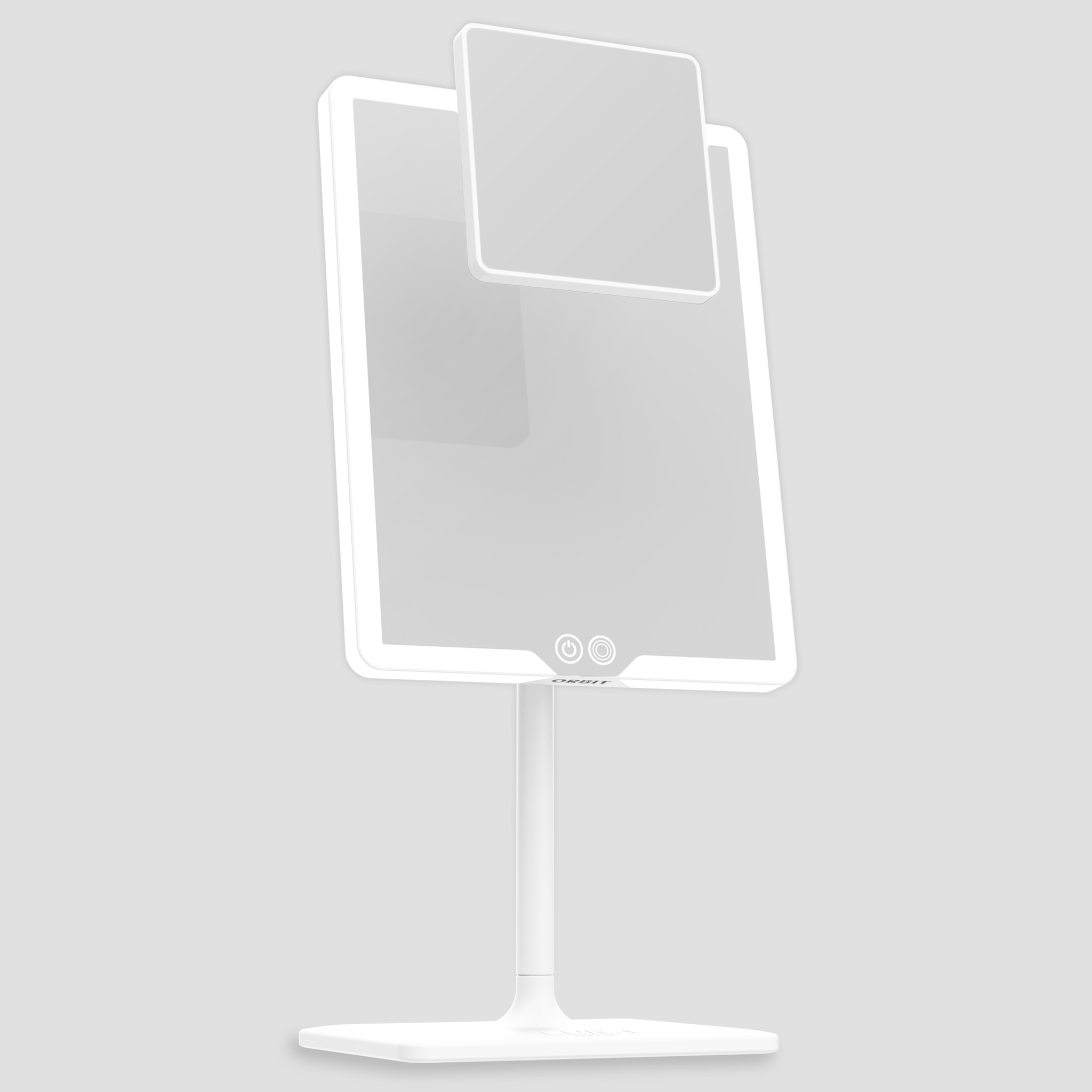
A simpler upgrade for 2026 routines
If you’re investing in LED beauty tech this year, start with the baseline. Consistent, face-level lighting makes skincare checks more repeatable, makeup more accurate, and grooming more symmetrical.
FAQs
What does “LED beauty tech” actually include in 2026?
It’s a broad bucket: light-based skincare tools, AI routine planning, tracking apps, connected vanity devices, and hardware that improves repeatability (like consistent lighting).
What’s the biggest 2026 trend people misunderstand?
That “more tech” equals “better results”. In practice, the best outcomes usually come from fewer variables and more consistency.
How can I tell if AI skincare advice is trustworthy?
Look for constraints, clear routines, and conservative guidance around irritation. If it recommends constant switching or stacks actives aggressively, treat that as a warning sign.
Are light-based skincare devices safe for everyone?
Not automatically. Use reputable guidance, follow instructions carefully, and pause if irritation spikes. If you’re unsure, speak with a qualified clinician, especially for sensitive skin or existing conditions.
Why does my skin look different depending on the room?
Lighting changes colour perception and shadows. Warm light can mask redness, overhead light can exaggerate texture. Consistent, face-level lighting reduces misreads.
What should I look for in “smart” beauty devices from a privacy standpoint?
Minimal data collection, clear permissions, and simple deletion controls. Be cautious with always-on cameras or vague “partners” language.
Does ORBIT replace everything else in a routine?
No. It’s a baseline improvement. The point is to make your checks, application, and grooming more consistent, so other products and habits are easier to judge.
What’s a low-effort way to upgrade my routine in 2026?
Pick one baseline: weekly check-ins, stable lighting, and fewer changes at once. That alone often beats buying a new device every month.
Related Links
- Morning Sunlight vs LED: Which is Better for Skin Checks?
- 5 Makeup Mistakes Caused by Bad Lighting (and How to Fix Them)
- ORBIT in Phantom Black
- ORBIT in Soft Stone
- ICO: Clearer rules on biometric technology
- NIST: AI Risk Management Framework (PDF)
- AAD: Lasers and lights for acne
- MHRA: Software and AI as a medical device


Leave a comment
This site is protected by hCaptcha and the hCaptcha Privacy Policy and Terms of Service apply.