
Summary: The spring equinox is not “magic”, but it is a clean calendar cue: more daylight, new routines, and a natural moment to reset. This guide gives you a low-friction morning ritual at your vanity mirror for mindfulness, positive affirmations, and intentions that translate into real behaviour.
In a hurry? TL;DR
- Pick one intention (not five) and define what it looks like in a normal day.
- Use a 10-minute “mirror anchor” routine: breathe, write, speak, plan, begin.
- Make affirmations believable: “Today, I’ll…” beats “I am perfectly confident” if you do not buy it.
- Convert the intention into an if–then plan so it survives real life.
The spring equinox is a handy prompt because it is neutral. No pressure to “new year, new me”. Just a seasonal shift you can use to ask: what would I like more of this spring, and what am I willing to do about it?
If you want your reset to feel grounded, start with one small distinction: intentions are not goals. A goal is an outcome. An intention is a direction you practise. When people say they are “setting intentions” but feel worse after, it is usually because they wrote goals in disguise, then judged themselves for not achieving them by lunchtime.
| Term | What it is | Example | What to measure |
|---|---|---|---|
| Intention | A direction you practise daily | “I move through my morning calmly.” | Did I practise it today? |
| Goal | A target outcome | “I will run 10K by May.” | Progress vs timeline |
| Habit | A repeated behaviour tied to a cue | “After brushing my teeth, I journal for 2 minutes.” | Consistency, not intensity |
⚡ PRO INSIGHT: If your intention cannot survive a messy day, it is not an intention, it is an idealised self-image. Write it so it still makes sense when you are tired, rushed, or mildly annoyed.
A 10-Minute Morning Ritual for Mindfulness and Positive Affirmations
You do not need a perfect “morning routine”. You need an anchor. A vanity mirror works well because you already visit it, it is stationary, and it naturally invites a pause before you start performing for the world.
If you are new to mindfulness, keep it simple: notice what is here, without trying to fix it immediately. For a clear, no-hype explainer, see NHS inform’s mindfulness guide.
| Minute | What you do | Why it works |
|---|---|---|
| 0–1 | Stand or sit tall. One slow inhale, one slow exhale. | Signals “pause” before autopilot kicks in. |
| 1–3 | Name your state: “I feel…”, “My mind is…”, “My body is…” | Makes the day observable instead of overwhelming. |
| 3–5 | Write one intention in plain language (not poetic). | Turns vague hope into a usable direction. |
| 5–7 | Say one affirmation that matches the intention (believable). | Rehearses the identity you want to practise. |
| 7–9 | Make an if–then plan: “If X happens, then I will Y.” | Protects the intention from predictable disruptions. |
| 9–10 | Do a 30-second “first action” (tiny). | Builds momentum without bargaining with yourself. |

Spring equinox is a cue, not a command. Use it to reset gently, then move on with your day.
⚡ PRO INSIGHT: The fastest way to sabotage affirmations is to make them unbelievable. Your brain will argue back. Aim for “true enough to practise today”.
Positive affirmations that do not feel fake
A good affirmation is less like a slogan and more like a behavioural instruction. If “I am calm and glowing” makes you roll your eyes, try language that assumes effort, not perfection.
| Intention theme | Affirmation that stays believable | Small first action |
|---|---|---|
| Calm | “Today, I will slow down on purpose, at least once.” | One slow breath before opening email. |
| Confidence | “I can handle one uncomfortable thing without spiralling.” | Send the message you are avoiding. |
| Health | “I choose the next best step, not the perfect plan.” | Fill a glass of water now. |
| Relationships | “I will bring warmth to one interaction today.” | One thoughtful text before noon. |
Expert quote
“It’s an intervention anyone can do.”
Diana Winston, PhD (Director of Mindfulness Education, UCLA Mindful), in UCLA Health
Make your intention stick with an if–then plan
Here’s the uncomfortable truth: most intentions fail for boring reasons. You get interrupted. You forget. You default to the old habit because it is easier. If–then plans help because they pre-decide the moment you usually wobble.
A recent meta-analysis on implementation intentions found a large overall effect (and a moderate effect when looking only at experimental studies), which supports why “if X, then Y” planning is so useful in real life. See the abstract in Sustainable Production and Consumption (2025).
- If I catch myself rushing at the mirror, then I will take one slow exhale before I start.
- If I start self-criticising my appearance, then I will name one thing my body lets me do today.
- If my morning goes off-plan, then I will do a 60-second reset at lunch instead of “giving up”.
Add one “lightweight” wellbeing practice (optional)
If you like the idea of a mood lift without a whole production, gratitude is one of the simplest add-ons. A systematic review and meta-analysis of 64 randomised trials found gratitude interventions were linked with better mental health and fewer symptoms of anxiety and depression. (If you want the paper, it’s open access on PubMed Central.)
Try this: write one sentence: “One thing I appreciate about today is…”. That’s it. Stop there.

2-minute reset (video)
If you prefer guidance, use a short, low-effort mindfulness reset and then return to your intention.
Watch the 2-minute mindfulness reset →If your vanity mirror makes you squint, fix that first
A morning ritual is hard to enjoy if the setup is fighting you. Harsh overhead light can exaggerate shadows, and dim lighting can tempt you to lean in and strain your eyes. Mayo Clinic’s guidance on eyestrain is a useful reminder to prioritise comfort, breaks, and good lighting habits: eye strain tips (Mayo Clinic).
If you’re curious about lighting in practical terms (not aesthetics), you might like: LED mirror vs natural light for skincare and vanity mirror with lights vs ring light.
Want a quick physical “wake up” without turning your morning into a full spa routine? This is a nice companion to intention setting: a mirror acupressure routine to de-puff.
A small note on ORBIT (only if you want a dedicated anchor)
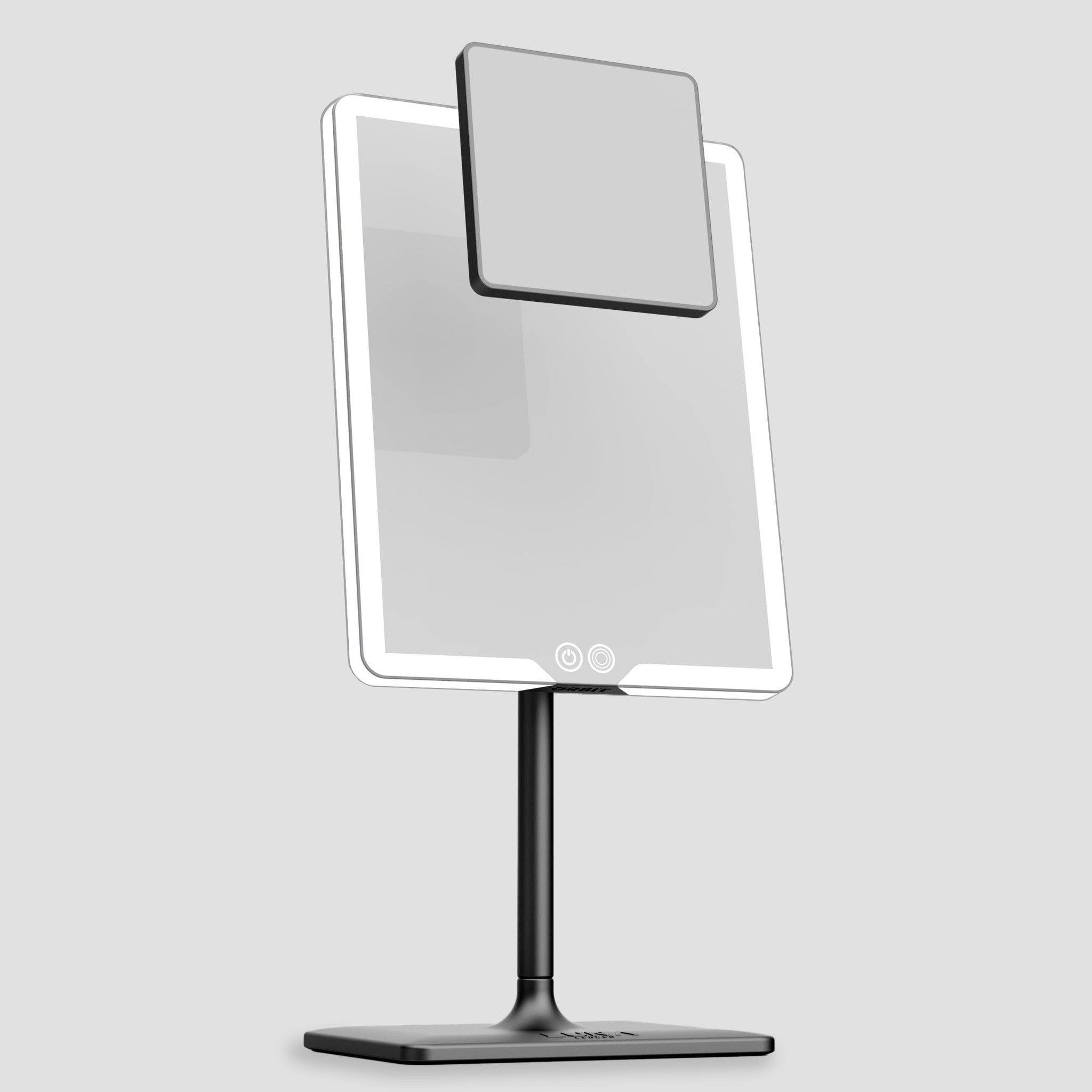
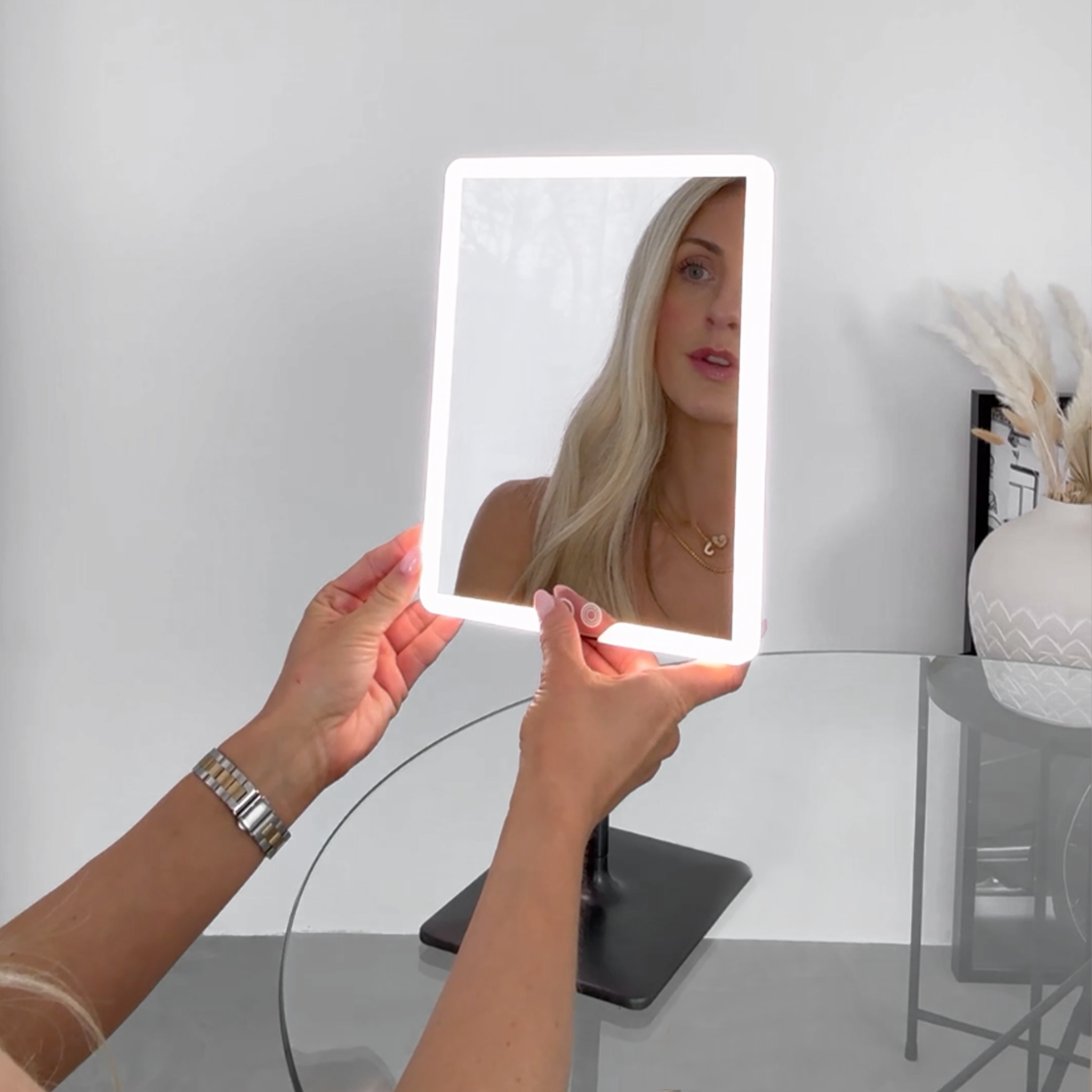
You do not need a new product to set intentions. But if your mirror area is the one place you reliably visit every morning, consistent front-facing light can make that “anchor point” feel calmer and more usable.
That’s the basic idea behind ORBIT: a vanity mirror designed for stable, flattering illumination, so your morning routine feels less like guesswork. If you want to see it, start here: ORBIT in Soft Stone.
Make your mirror the anchor for a calmer morning
If you’re building a spring equinox morning ritual, a consistent vanity mirror setup helps you slow down, see clearly, and keep the routine simple.
Discover ORBIT lighting modes →FAQs
Does the spring equinox actually matter for wellness?
Not inherently. It matters only as a cue. If it helps you reset routines as daylight changes, it is useful. If it adds pressure, ignore it.
What is the difference between an intention and a goal?
An intention is a direction you practise today. A goal is an outcome you track over time. Intentions work best when they translate into one small behaviour.
How do I write positive affirmations that feel real?
Make them believable and behavioural. “Today I will…” and “I can…” usually lands better than dramatic “I am…” statements you do not buy.
How long should a morning ritual be?
Shorter than you think. Ten minutes is enough if it is repeatable. Consistency beats complexity.
How do I keep the habit when my morning goes wrong?
Use an if–then plan and a “minimum version” (60 seconds at lunch still counts). The point is returning, not being flawless.
Can a vanity mirror really help mindfulness?
It can help as an anchor because you already go there. The mirror is not the point. The pause is.

Leave a comment
This site is protected by hCaptcha and the hCaptcha Privacy Policy and Terms of Service apply.