


January Wrap-Up: The Best Routines We Saw This Month
Last updated: 25 January 2026
If you’re searching for a luna london mirror because you want your routine to feel calmer, quicker, and more consistent, here’s the slightly uncomfortable truth: most routines fail because the setup is annoying, not because you “lack discipline”.
January’s stand-out routines had a theme… they removed friction. People chose fewer steps, made them easier to do, and stopped relying on whatever overhead lighting their bathroom happened to have. If you want the same result, start here.
The routines that stuck: what they had in common
You’ll see plenty of “10-step” routines online, but most real people don’t live like that. The routines that kept showing up in customer reviews were built around three principles:
- One anchor moment: the routine attaches to something you already do (brush teeth, morning coffee, night shower).
- One default lighting mode: fewer changes means fewer excuses. If you can’t see clearly, you don’t do the routine properly.
- One “precision tool”: a mirror that helps with the detail work (skin checks, shaving lines, brows, contact lenses), without turning everything into a project.
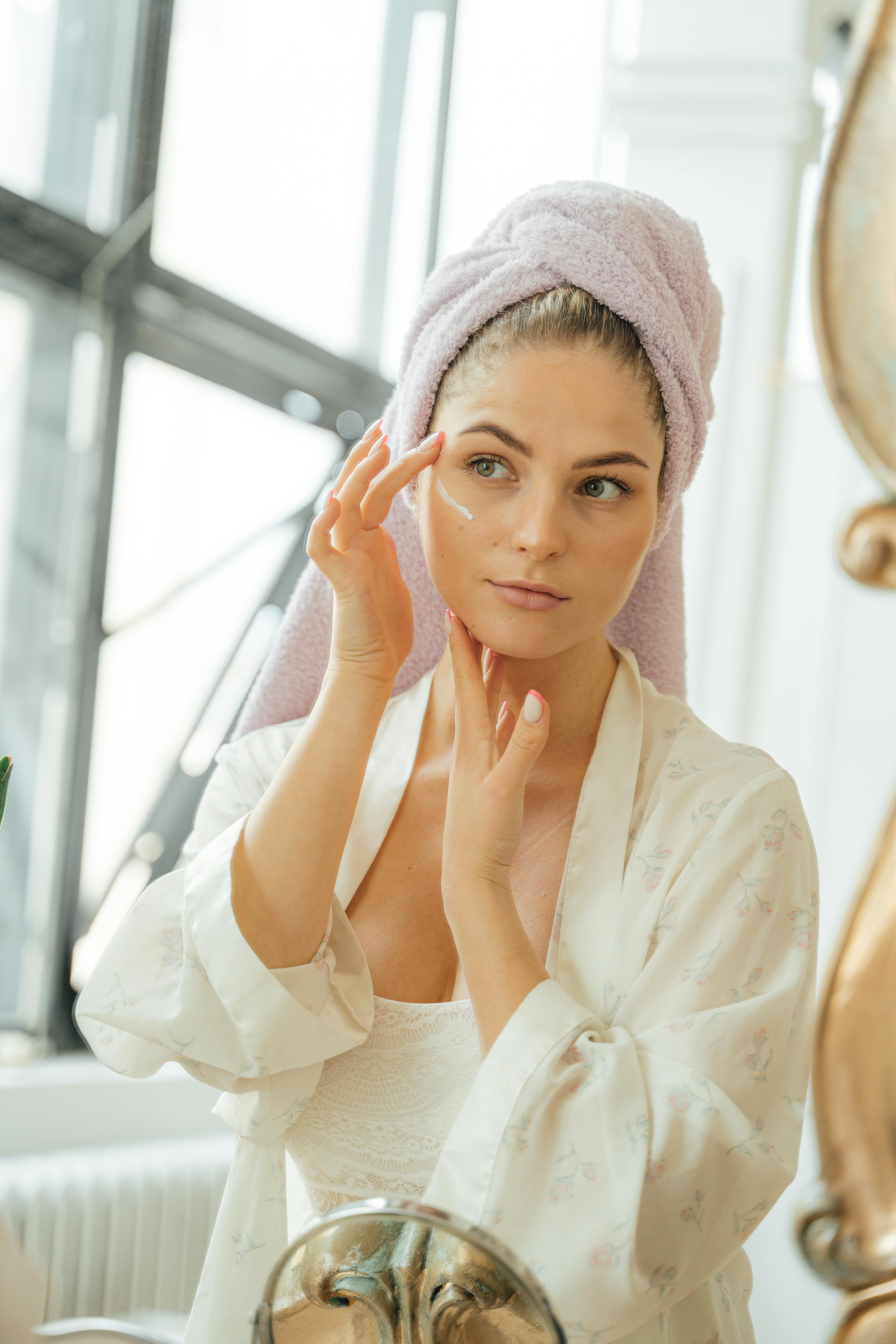
Routine 1: The 3-minute “skin check” (AM)
This was the most repeated pattern we saw: a quick check that makes skincare feel intentional without dragging your morning out. It’s not about obsessing over pores… it’s about seeing what’s actually going on so you apply the right thing, in the right amount, in the right places.
How it works:
- 30 seconds: cleanse or rinse, then pat dry.
- 60 seconds: apply your “base layer” (moisturiser or serum) evenly, especially around nose and mouth where patchiness shows up.
- 60 seconds: SPF or final layer, then a quick check for missed areas near hairline and jaw.
- 30 seconds: step back and look at your whole face at 1x to avoid over-correcting tiny details.
If you want official guidance on the basics (especially sunscreen expectations and coverage), use a credible reference and keep your routine simple: American Academy of Dermatology sunscreen basics and the British Association of Dermatologists Sun Protection fact sheet (2024) are solid starting points.
If you want to go deeper on lighting choices, this LUNA guide breaks down the practical trade-offs: LED mirror vs natural light for skincare routines. The key is not “best light” in theory, it’s the light you can reliably use every day.
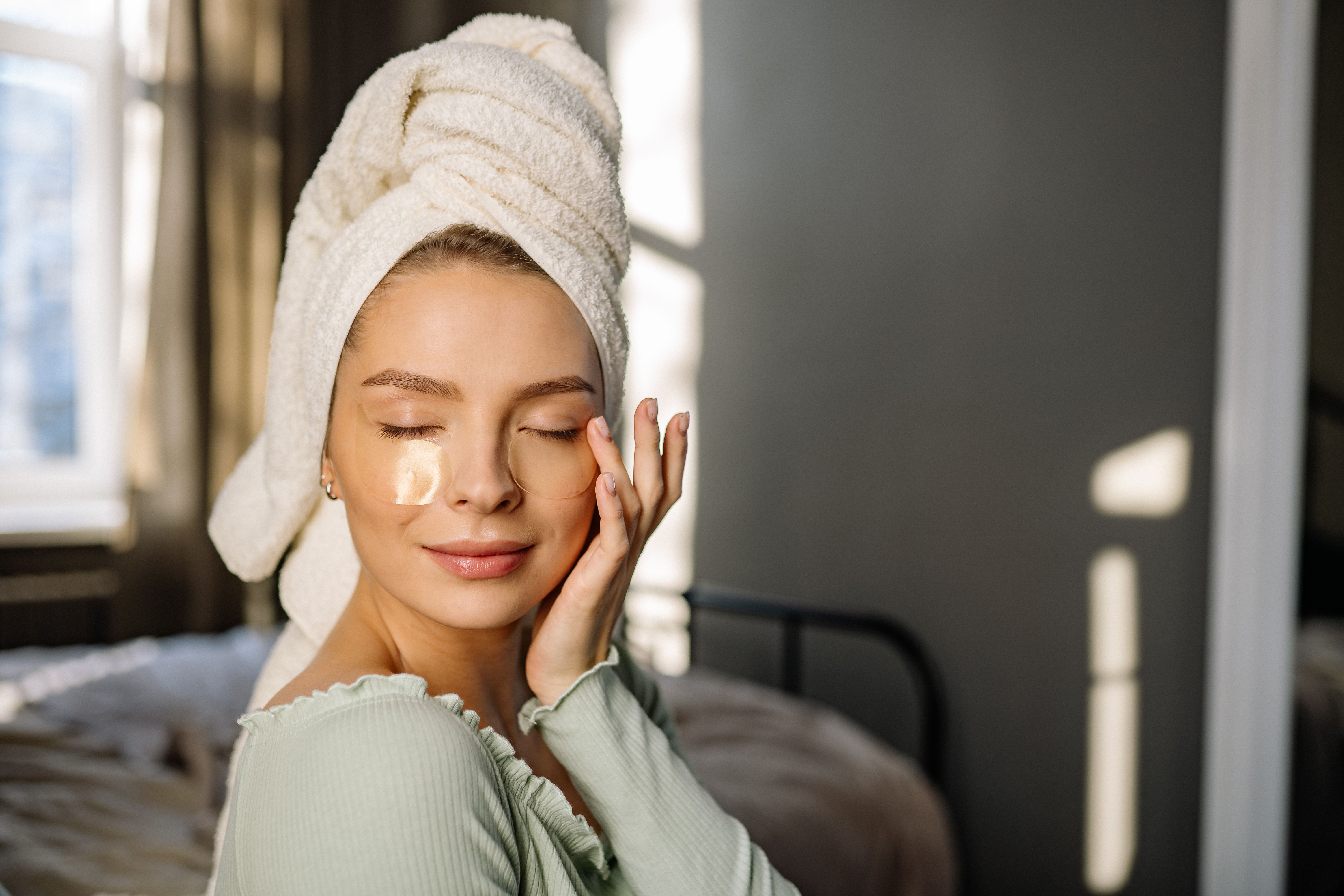
Routine 2: The “desk vanity” get-ready (AM or PM)
Another January repeat: moving the routine away from harsh bathroom overheads and into a calmer “desk vanity” zone. People weren’t adding steps… they were improving conditions, which made everything feel easier.
The setup that worked:
- Sit down (it sounds trivial, but it slows you down in a good way).
- Use one consistent mirror light mode for your main routine.
- Use magnification only for precision tasks (brows, liner, spot concealer), then return to 1x to check symmetry.
If you’ve ever wondered why makeup looks fine at home and odd elsewhere, it’s usually colour temperature and shadow direction. This explains it in plain English: why lighting changes everything in your mirror setup.
Routine 3: The “clean lines” men’s grooming routine
One trend that’s hard to miss: more men are treating grooming like a repeatable system, not a once-a-week scramble. The common routine was short, specific, and focused on symmetry.
The 4-minute version:
- 60 seconds: warm water rinse, then shave prep.
- 120 seconds: shave or edge work, slow and deliberate.
- 60 seconds: check neckline and cheek line symmetry.
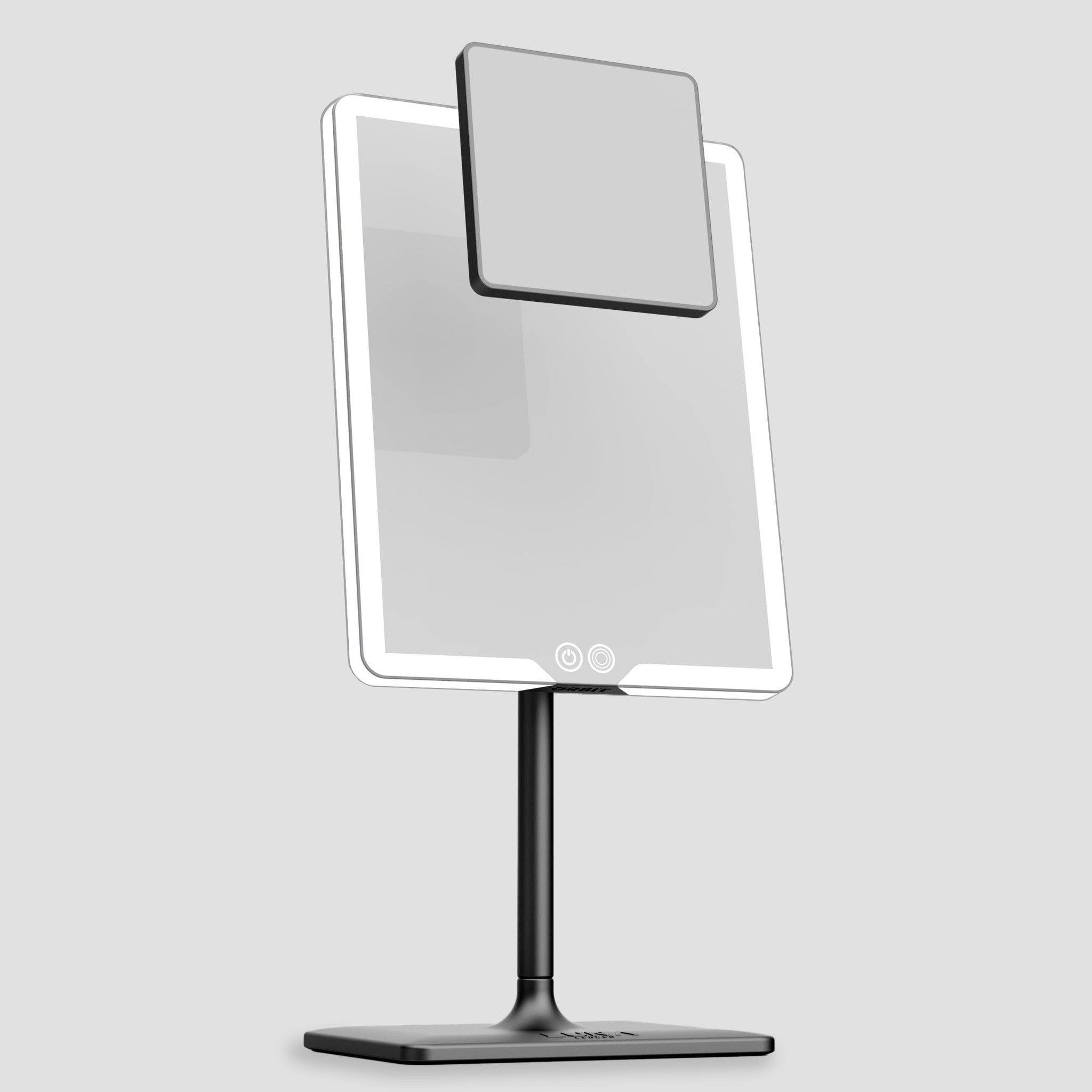
This is where a good mirror matters. Detail checks are easier when you can choose lighting and keep your head angle consistent. If you want a product-by-product breakdown, this comparison helps you pick based on how you actually use a mirror: ORBIT vs ECLIPSE vs COMPACT 2.0.

Symmetry is hard to judge in poor lighting, even if your technique is great.
The routine-to-mirror match table
If you only read one thing, use this table. It maps the routine goal to the mirror setup that makes it easier to repeat, not “more impressive”.
| Routine | What you’re really trying to see | Lighting cue | Best mirror type | Here’s Our Favourite |
|---|---|---|---|---|
| 3-minute skin check | Even coverage, missed areas, texture changes | Neutral or daylight mode, consistent daily | Desk vanity mirror with stable lighting | ORBIT for full-face checks plus precision add-on when needed |
| Precision makeup touch-ups | Blend edges, liner symmetry, spot concealer | Use one mode to apply, then switch once to “real world” | Portable mirror you can angle easily | COMPACT 2.0 for 1x + 7x detail without overdoing it |
| Men’s grooming clean lines | Neckline, cheek line, symmetry | Bright, shadow-minimising, consistent angle | Strong lighting, minimal fuss | ECLIPSE when you want clean lighting in a compact format |
| Travel routine consistency | A familiar reflection in unfamiliar bathrooms | Default to one mode, ignore hotel lighting | Portable mirror that travels well | COMPACT 2.0 as the “same setup anywhere” option |
Mirror gallery: the setups we kept seeing
A “mirror gallery” sounds like aesthetics, but the interesting part is functional: the best setups were simple, repeatable, and didn’t depend on the room being perfect.
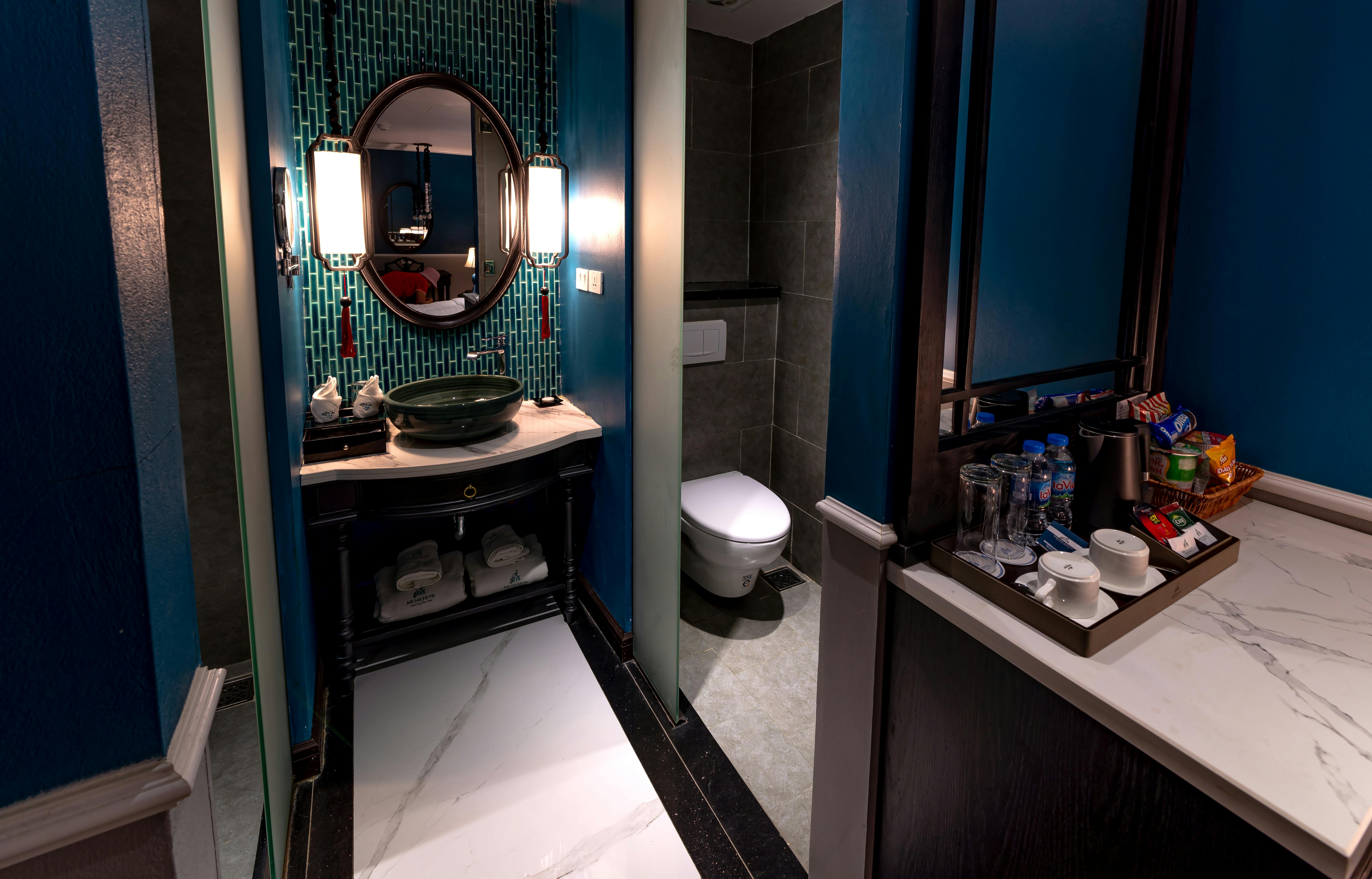
If you want a routine to survive travel, build it around a portable “constant”. That’s the whole point of having the same reflection and lighting, regardless of the room.
A short video worth watching (for routine order)
If you like evidence over vibes, this peer-reviewed overview on habit formation is a good read: Habit formation review (2024). The practical takeaway is boring but useful: repetition is easier when the environment stays stable.
The 30-day “make it stick” tracker
Here’s a low-effort way to pressure-test a routine without turning it into a personality trait. Pick one routine (morning skin check, desk vanity, grooming lines), keep the setup the same, and track completion, not perfection.
| Day | Did the routine happen? | What caused friction? | One fix for tomorrow |
|---|---|---|---|
| 1 | ☐ Yes ☐ No | ________ | ________ |
| 2 | ☐ Yes ☐ No | ________ | ________ |
| 3 | ☐ Yes ☐ No | ________ | ________ |
| 4 | ☐ Yes ☐ No | ________ | ________ |
| 5 | ☐ Yes ☐ No | ________ | ________ |
Tip: if you miss a day, don’t “restart Monday”. Just remove friction and continue. Consistency beats intensity.
FAQs
What’s the best mirror setup for a daily skincare routine?
A repeatable setup beats a “perfect” one. Pick one spot, one default light mode, and do the check at 1x first. Use magnification only for precision moments, then step back again.
Is natural light better than LED for skin checks?
Natural light can be excellent when it’s available, but it changes constantly. LED can be more consistent. If you want the practical trade-offs, see: LED mirror vs natural light.
Do I need magnification for a routine to work?
Not always. Magnification is most useful for brows, precise grooming, and close detail checks. If you find yourself over-correcting, you’re probably using it too early or for too long.
What’s the best travel option for keeping routines consistent?
The best travel routine is the one that doesn’t depend on hotel lighting. A portable mirror with its own lighting makes your reflection feel familiar in unfamiliar rooms.
How do I stop my routine from falling apart after a week?
Don’t add motivation, remove friction. Make the setup effortless, lock in one default light mode, and track completion for 30 days. If you want the research angle, the 2024 habit formation review is a good place to start: habit formation review.
Related links
- Best LED mirror for applying skincare
- LED mirror vs natural light for skincare routines
- Why lighting changes everything (and how to fix your setup)
- ORBIT vs ECLIPSE vs COMPACT 2.0
- Why hotel bathroom lighting is failing you (and the mirror that fixes it)
- The best cosmetic light mirrors (2025)



Leave a comment
This site is protected by hCaptcha and the hCaptcha Privacy Policy and Terms of Service apply.