
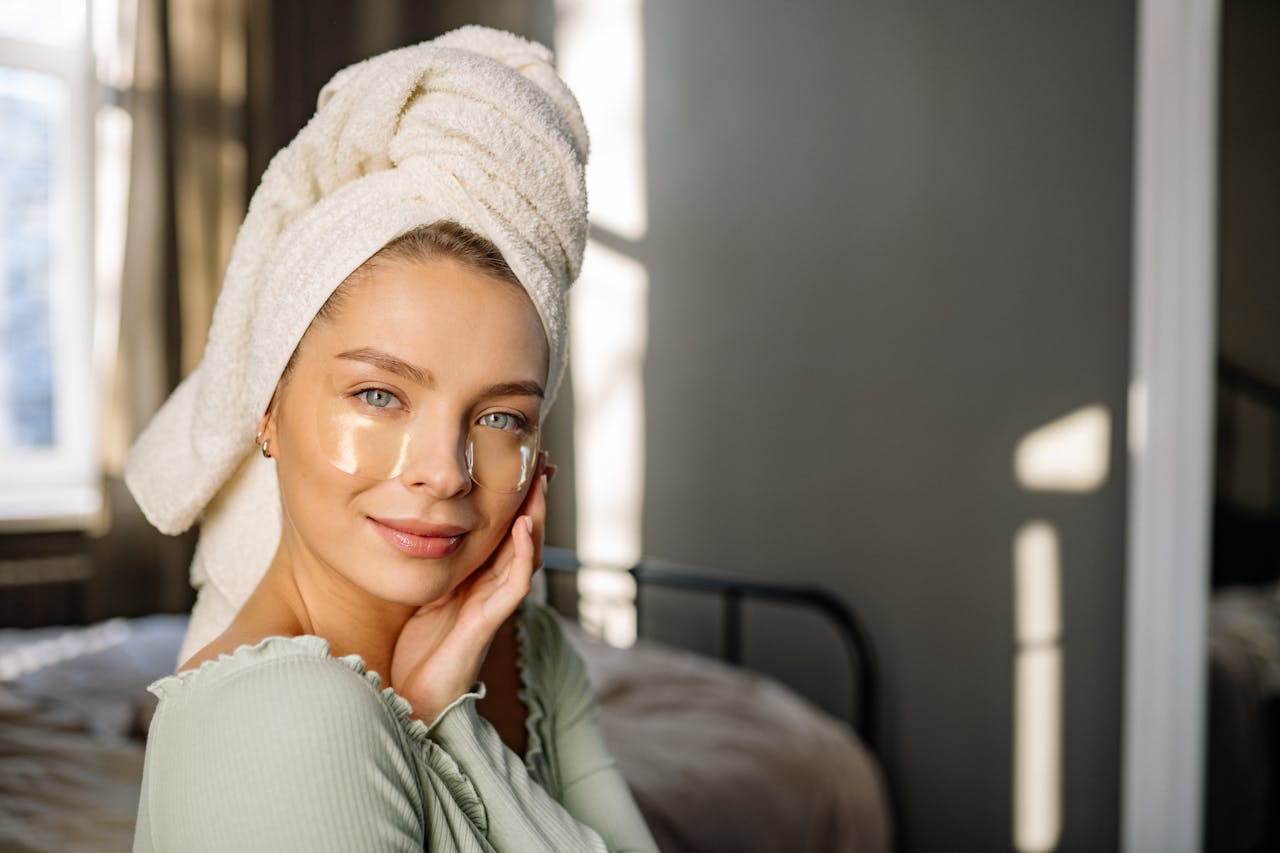
A calmer night skincare routine that actually looks better in the morning

“Glow” is one of those words that gets used like a promise. In real life, glow is usually the result of small things done consistently: removing what needs removing, adding what needs adding, and not irritating your skin into submission.
The overlooked variable is visibility. A night skincare routine is full of tiny decisions, how much cleanser, where you missed, whether you’re rubbing too hard, whether your “pea-sized” active is actually three peas. A good LED mirror makes those decisions calmer and more accurate, which is exactly what bedtime habits should be.
If you’ve ever done your routine under harsh overhead lighting, then stepped into a different room and realised you missed mascara, sunscreen residue, or a patch of dryness, you already know the problem. Lighting changes what you think you see. That can push you into two common mistakes: under-cleansing (so product sits on top of yesterday) or over-correcting (so your barrier gets cranky).
A simple goal for your evening mirror: create one consistent “truth source” for your face, so your routine becomes repeatable. That repeatability is what turns a bedtime routine into results.
Why your mirror matters more at night than in the morning
Night is when you do the most “precision” work: removing makeup and SPF, targeting congestion, applying retinoids, or treating patches of dryness. Many of those steps are also the easiest to get wrong if you cannot see clearly.
Meanwhile, sleep itself is a skin variable. Research links insufficient sleep with changes in skin barrier function and appearance, which is why a routine that supports sleep quality is quietly doing double duty. (If you want a simple benchmark, most adults do best around 7 to 9 hours, even though individual needs vary.) AP News summary on sleep needs.
Light is the bridge between skincare and sleep. Brighter, bluer light in the evening can delay your circadian rhythm and interfere with melatonin signalling, which is why sleep guidance commonly recommends keeping evening light low and warm as bedtime approaches. Harvard Health on blue light and sleep.
⚡ PRO INSIGHT: Use a “two-stage lighting” approach. Do skincare application under neutral or daylight LED mirror lighting (for accuracy), then switch to warm, dim lighting for the final wind-down so your body gets the “sleep is coming” cue.
Seeing texture and product placement clearly helps you avoid over-applying actives.
The “evening mirror checklist” for glow
Here’s the quick checklist to make your mirror earn its place in your routine. If you’re using an LED mirror like ECLIPSE, you can set this up in minutes.
| What to check | Why it matters | Quick fix |
|---|---|---|
| You can see along the jawline and hairline | These are where makeup, SPF, and cleanser residue hide | Angle the mirror slightly down and check side-lighting |
| You can see texture without harsh glare | Glare makes you over-scrub, which damages the barrier | Use diffused, dimmable LED light, not a bare overhead bulb |
| Your lighting is consistent night-to-night | Consistency makes your routine repeatable and trackable | Pick one mirror location and keep brightness similar |
| You can see product “spread” evenly | Actives work best in thin, even layers | Apply in small zones (cheeks, forehead, chin), then blend |
The 10-minute night routine for glow

This routine is designed to be realistic. It is not a 14-step performance. It is a bedtime habit you can actually keep, even after a late meeting or a long commute.
Minute 0 to 2: Cleanse like you mean it
If you wear makeup or SPF, your cleanser matters more than your serum. Use your mirror to check the “usual miss zones”: hairline, corners of the nose, under the lower lip, and along the jaw. You should look clean, not squeaky.
Minute 2 to 4: Pat dry and pause
Many actives are more irritating on damp skin. A short pause also reduces the temptation to pile product on because you feel “behind.” If you use retinoids, this pause is especially useful.
Expert note (Dermatology):
“Use the least-intense retinoid formula… and use it every other night to start, slowly building up.”
Tina Alster, MD, FAAD (American Academy of Dermatology)
Source
Minute 4 to 7: Apply one “active” (optional, not mandatory)
If you are using a retinoid or exfoliating active, keep it simple. The main risk is irritation from doing too much too often. Clinical guidance often frames topical retinoids as an evening application and highlights irritation risk, which is why your mirror is useful: it helps you apply a thin, even layer and notice early dryness before it becomes a problem. NICE CKS: topical retinoids.
If you are new to retinoids, patient-facing dermatology guidance commonly recommends starting every second or third night and building up slowly, with moisturiser used to reduce irritation. British Cosmetic Dermatology Group: topical retinoids.
⚡ PRO INSIGHT: If your skin stings when you apply a basic moisturiser, treat that as a “stop signal.” Skip actives for 48 hours and prioritise barrier support. The mirror helps you spot early scaling or redness before it becomes a full reset.
Minute 7 to 10: Moisturise, then shut the day down
This is where you shift from skincare to relaxing routine. Moisturiser seals hydration, but the bigger win is the behavioural cue: this is the moment you stop tinkering. If you keep “fixing,” you keep stimulating.
LED mirror lighting for bedtime habits: what works best?
You do not need to turn your bathroom into a studio. You just need lighting that is stable and adjustable. For skincare, neutral or daylight modes tend to be the most honest, because they show redness, texture, and residue more clearly. Then you can switch to warm light as you transition into sleep mode.
| Light mode | Best for | Common mistake it prevents |
|---|---|---|
| Neutral white | Daily cleansing + product application | Missing residue around hairline/jaw |
| Daylight | Checking texture, hyperpigmentation, redness | Over-concealing or over-scrubbing |
| Warm light | Final wind-down and “sleep cue” | Staying alert because the room is too bright |
If your current setup relies on one overhead bulb, it is worth fixing. Poor lighting does not just make makeup look worse, it makes routines harder to do well. If you want a quick primer on the most common lighting traps, this is useful: Everyday lighting mistakes that make you look more tired.
A video walkthrough (simple, not influencer-y)
If you prefer seeing the steps rather than reading them, this kind of dermatologist-led routine is the right level of practical. Watch it once, then copy the structure instead of the product list.
Why sleep-friendly lighting is part of skincare
This is the part most routines skip. Skincare works best when your body is not in a stressed, alert state. Evening light exposure can influence sleep timing and quality, which then affects how you look and feel the next day. Sleep guidance often stresses reducing bright light as bedtime approaches. Verywell Health on light disrupting sleep.
There is also evidence connecting sleep deprivation to skin barrier changes, including dryness and reduced recovery. You do not need to obsess over it, but it is a strong reason to treat your night routine as a “downshift,” not a second work session. Sleep (Oxford Academic) on sleep loss and skin barrier.

Where ECLIPSE fits (without turning your routine into a product demo)
The point of an LED mirror in a night skincare routine is not to add complexity. It is to remove guesswork.
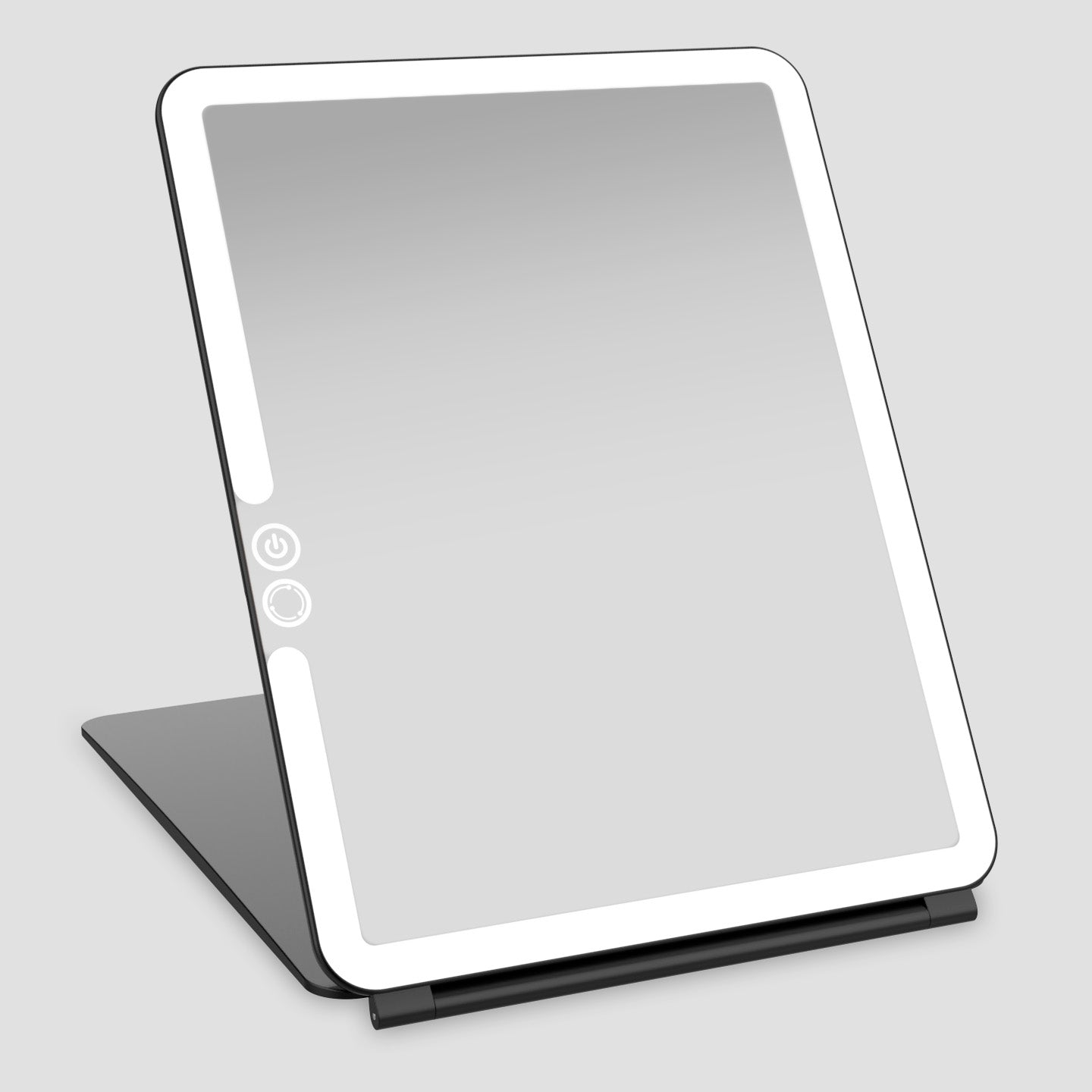
ECLIPSE is useful here because you can switch between warm, neutral, and daylight lighting, then dim it down. That supports the two-stage approach: accuracy first, then wind-down.
If you are upgrading your overall setup, it is also worth reading how colour and light quality can affect what you see when applying skincare or makeup. The science of CRI and why lighting accuracy matters.
And if your routine is happening in a bedroom vanity rather than a bathroom, this guide has solid organisation tips that make consistency easier: How to organise your vanity for a productive 2026.
A simple upgrade for calmer evenings
If your night skincare routine feels inconsistent, your lighting is often the hidden reason. ECLIPSE gives you neutral and daylight modes for accurate application, then warm dim light for wind-down. It is a small change that makes bedtime habits easier to repeat.
Discover ECLIPSE lighting →FAQs
Should I do skincare under warm light or daylight?
Do application under neutral or daylight lighting so you can see residue, redness, and product spread clearly. Then switch to warm, dim light for the final wind-down so your bedroom feels sleep-friendly.
Why does my skin look better in some mirrors than others?
Lighting angle and colour temperature can exaggerate or hide texture and redness. Consistent LED mirror lighting helps you judge your routine the same way each night.
Do I need a long routine to get glow?
No. A simple cleanse, one active (optional), and moisturiser is enough for most people. Consistency beats complexity.
When should I apply retinoids?
Many clinical and dermatology resources position topical retinoids as evening applications and recommend building frequency gradually to reduce irritation. If you are unsure, check with a qualified clinician. NICE CKS guidance.
How can I avoid overdoing exfoliation at night?
Use one active at a time, keep layers thin, and watch for early dryness or stinging. If moisturiser stings, pause actives and focus on barrier support for a couple of days.
Does light at night really affect sleep?
Yes. Bright light, especially in the evening, can interfere with sleep timing and quality. That is why many sleep resources recommend dimmer, warmer light closer to bedtime. Harvard Health.


Leave a comment
This site is protected by hCaptcha and the hCaptcha Privacy Policy and Terms of Service apply.