

A ski holiday has a funny way of punishing lazy packing. Not because you need loads of stuff, but because the mountain is ruthless about missing essentials. This guide keeps it simple: seven ski trip essentials that cover warmth, safety, comfort, and a few winter vacation extras that stop the trip feeling chaotic.
Summary: Pack smart for your winter vacation with these seven ski trip essentials: a proper layering system, eye and face protection, foot care, hydration and recovery, a compact first-aid kit, travel-proof organisation, and a small “beauty essentials” pouch (including a portable light mirror if hotel lighting is unreliable). Use the tables below as a fast checklist.
The 7 Ski Trip Essentials That Prevent the Usual Holiday Stress
Before we get into the list, a quick reality check: most ski trip packing lists online are either overkill or suspiciously vague. The goal here is coverage, not volume. If you pack these seven well, the rest is personal preference.
⚡ PRO INSIGHT: If you’re trying to pack lighter, don’t cut “items”, cut “duplicates”. One solid mid-layer you actually wear is worth more than three novelty jumpers you never touch.
Quick Checklist Table: What to Pack (and Where to Put It)
| Essential | Why it matters | Best packed in | One simple tip |
|---|---|---|---|
| Layering system | Warmth without bulk, less sweat, fewer “I’m freezing” moments | Hold luggage | Think base layer + mid layer + shell, not “one huge coat”. |
| Eye + face protection | Wind, glare, snow reflection, cracked lips | Carry-on | Keep SPF + lip balm accessible for reapplication. |
| Foot system | Cold toes end days early | Hold luggage | Two pairs of ski socks is usually enough if you dry them properly. |
| Hydration + recovery | Altitude + dry air can hit harder than you expect | Day bag | Bring a small bottle you’ll actually refill, not a huge one you leave behind. |
| Mini first aid + blister kit | Stops small issues turning into day-ruiners | Carry-on | Plasters + blister patches + pain relief covers most situations. |
| Organisation system | Less rummaging, fewer lost gloves | Both | Use 2–3 packing cubes, not 10 tiny pouches. |
| Beauty essentials (minimal) | Dryness, wind, and photos don’t care that you’re “on holiday” | Carry-on | Prioritise barrier care and SPF over heavy makeup. |
1) A Layering System You Can Adjust in Minutes
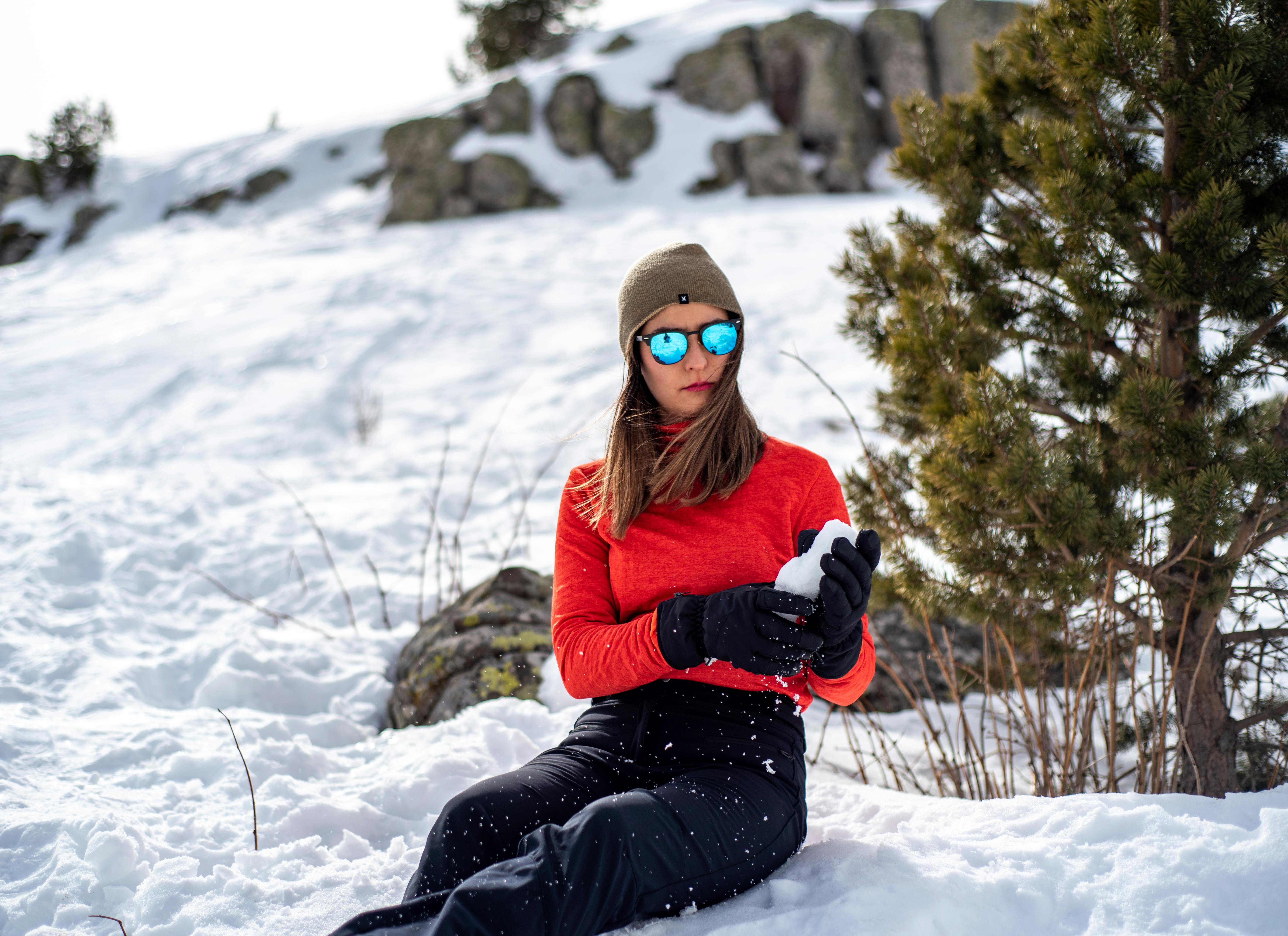
If you only do one thing right, do this. Skiing is basically a loop of exertion (hot) and standing still (cold). A proper layering system gives you control.
- Base layer: moisture-wicking (merino or synthetic). Avoid cotton if you can.
- Mid layer: fleece or insulated layer for warmth.
- Outer layer: windproof + waterproof shell to block snow and wind.
If you want a quick explainer that’s genuinely practical, REI’s guide on what to wear skiing and snowboarding breaks down the logic without turning it into a gear flex.
2) Eye + Face Protection (Because Snow Is Brutal)
Ski wind plus glare is a combo that dries skin fast and makes people squint in every photo. Pack these, and keep them easy to reach:
- Goggles that fit your helmet with no gaps.
- SPF 30+ and a lip balm with SPF for reapplication.
- Neck gaiter or buff for wind protection.
One detail people miss: snow and ice can reflect a lot of UV, so exposure can effectively hit you from above and below. The Skin Cancer Foundation flags this specifically for winter sports enthusiasts in their winter sports sun protection reminder.
⚡ PRO INSIGHT: If you’re skiing all day, set a phone reminder for SPF reapplication. People forget because it’s cold, not because it’s not sunny.
3) The Foot System: Socks, Drying, and the “Second Pair” Myth
Cold feet usually comes down to one of three things: wet socks, tight boots, or poor circulation from being under-fuelled and dehydrated. Two pairs of ski socks can be enough for a week if you dry them properly.
- Ski socks: bring 2–3 pairs max, but make sure they’re ski-specific (cushioning where it counts).
- Drying plan: radiator, heated towel rail, or a simple drying line in your room.
- Après footwear: something warm that your feet can relax in.
If you want a surprisingly helpful warm-up routine for grooming and comfort when you’re back inside, our guide on everyday lighting mistakes that make you look more tired also covers how harsh overhead lighting can make tiredness look worse after a cold day out.
4) Hydration + Recovery: The Unsexy Essential

Ski trips feel “active”, but recovery still matters. Dry air, altitude (depending on resort), and long days can creep up on you. For high-altitude destinations, TravelHealthPro’s overview of altitude illness is worth scanning before you go.
- Small refillable bottle (something you’ll actually carry).
- Electrolyte tabs if you tend to feel wiped out in dry climates.
- Snack plan: protein + carbs in your day bag, not just “whatever’s at lunch”.
5) Mini First Aid + Blister Kit
This is the difference between “minor irritation” and “I can’t get my boot on”. Keep it tiny and specific:
- Blister patches
- Plasters
- Small antiseptic wipes
- Your usual pain relief
And if conditions are extreme, it’s not dramatic to take cold safety seriously. NOAA’s cold weather guidance emphasises covering exposed skin and watching for frostbite risks in wind chill conditions: during extremely cold weather.
6) Organisation That Actually Makes Packing Easier
“Organisation” can become a trap where you buy twenty pouches and still can’t find your gloves. Keep it boring:
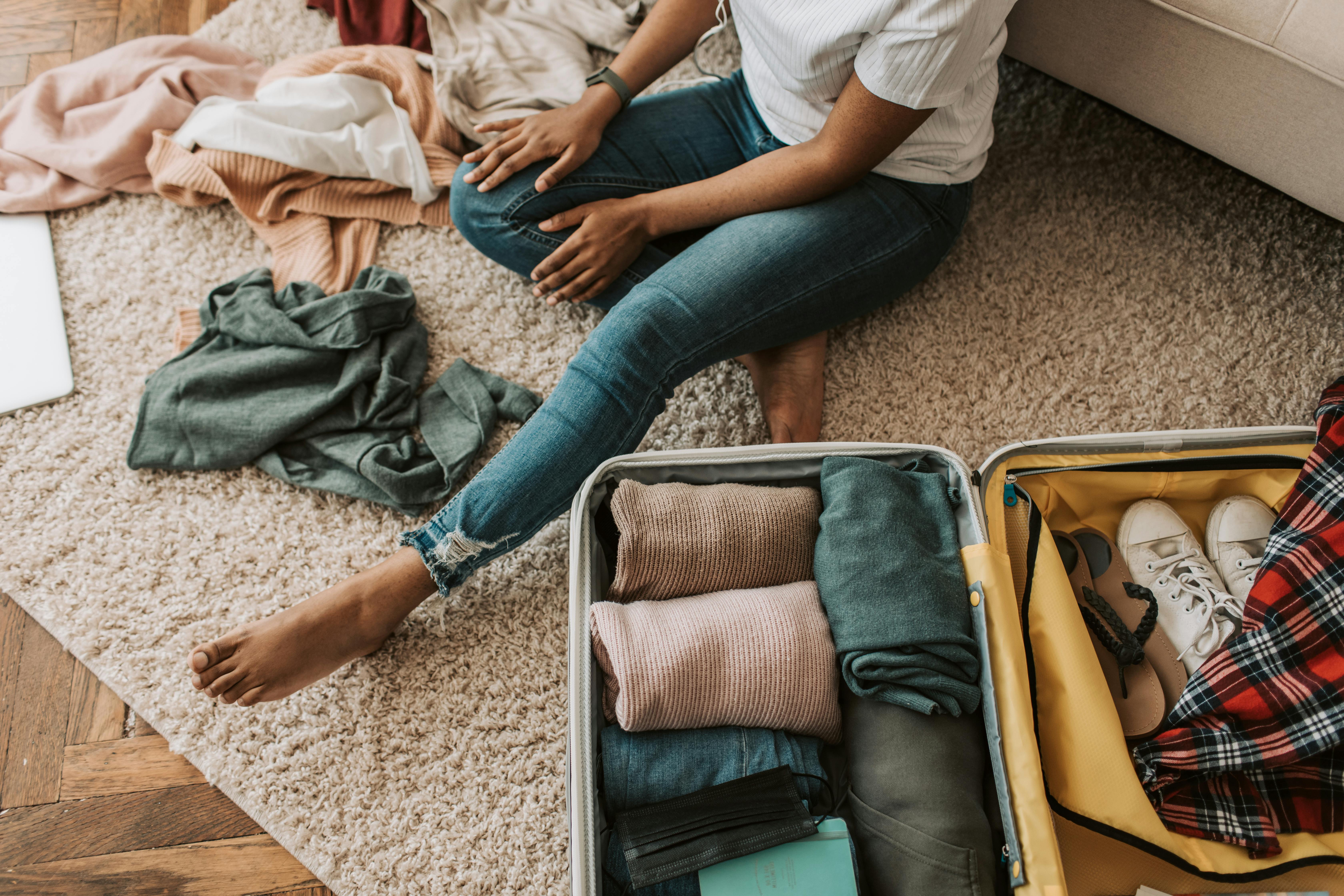
- 2–3 packing cubes (base layers, mid layers, casual).
- One laundry bag so clean and dirty don’t merge into chaos.
- One small tech pouch (chargers, plug adapter, cable).
7) Beauty Essentials (Minimal, Practical, and Cold-Weather Proof)
This is where “ski beauty tips” should get a bit more realistic. Cold air outside and heated air inside can dry skin out quickly. Dermatologists often recommend focusing on barrier support, gentle cleansing, and moisturising immediately after washing.
Expert note: “Apply moisturizer immediately after washing, which traps existing moisture in your skin.”
Dr. Katharine Kiracofe (American Academy of Dermatology), via Cold weather and your skin
Here’s a minimal “beauty essentials” pouch that earns its place:
- Gentle cleanser (nothing stripping).
- Rich moisturiser or balm for face and hands.
- SPF you’ll reapply (especially if you’re on the slopes).
- Lip balm (ideally SPF).
- Concealer + tinted balm if you want quick, low-effort polish.
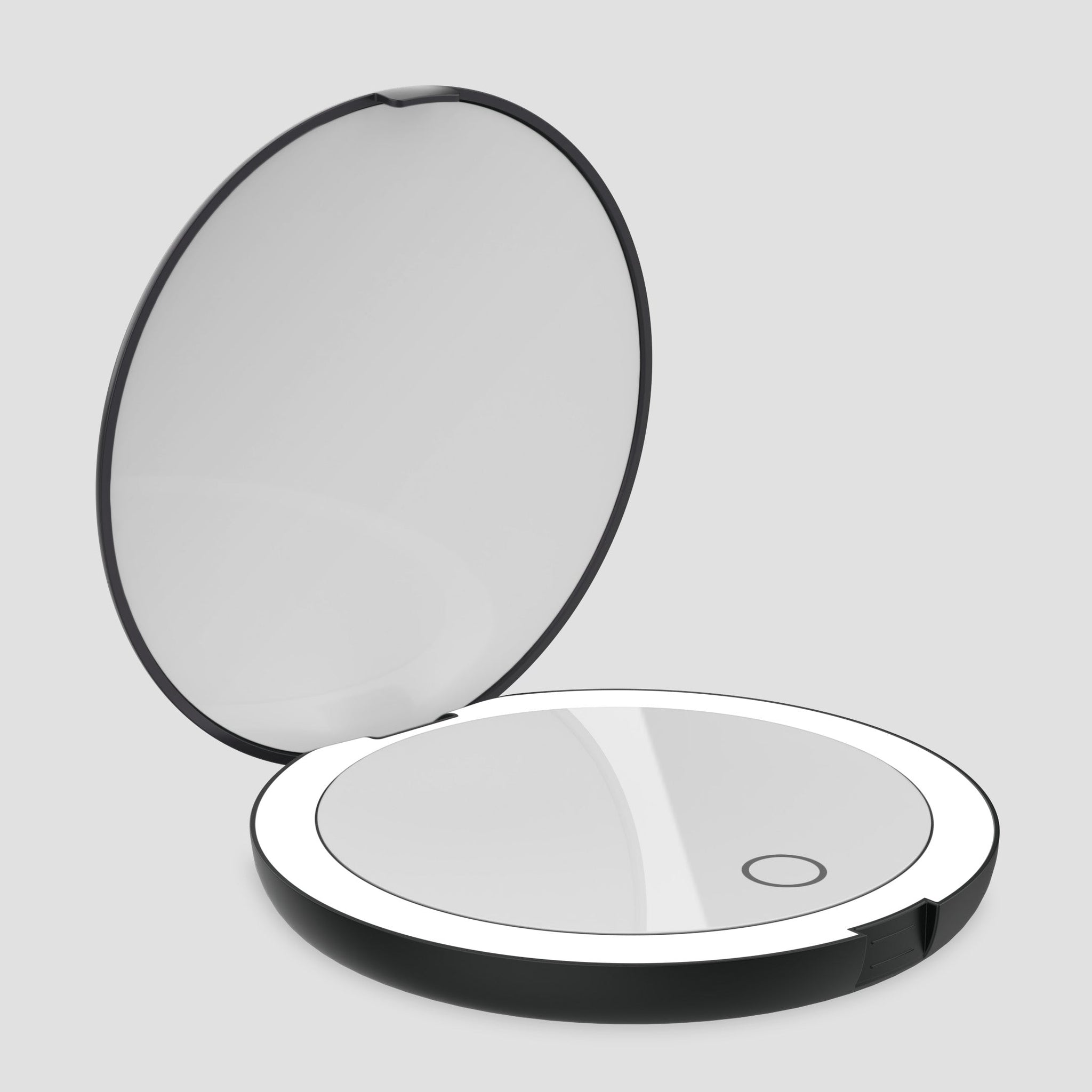
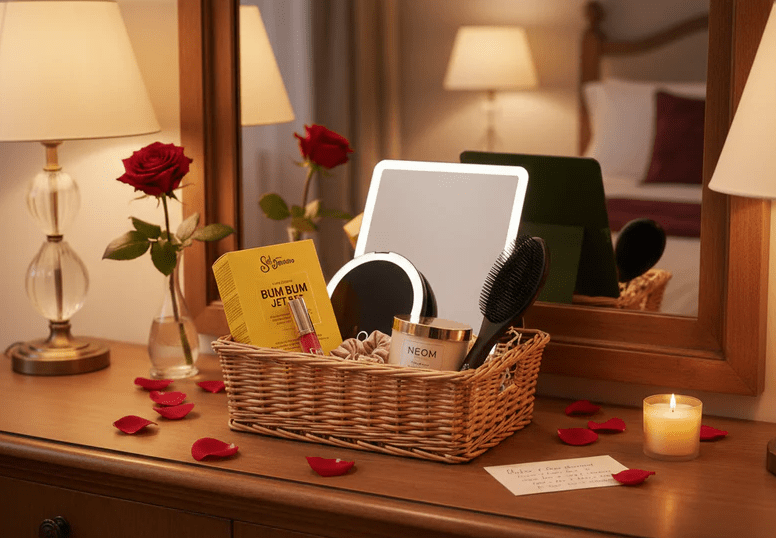
- Portable light mirror (optional): hotel bathrooms can be dim, and that’s where a small, rechargeable mirror like COMPACT 2.0 is handy for contact lenses, skincare checks, or quick touch-ups.
Hand Luggage Reality Check (Liquids and Last-Minute Stress)
If you’re flying, the fastest way to lose time is arguing with yourself at security about what counts as a liquid. Rules vary by airport, but Heathrow’s guide is a useful baseline: hand baggage and liquids. When in doubt, keep essentials travel-sized and put everything else in hold luggage.
A Clear Layering Walkthrough (4 minutes that can save you a cold day)
If you’ve ever packed “warm clothes” and still frozen, this video helps you spot what went wrong.
Second Table: A Tiny “Where It Goes” Packing Map
| Carry-on | Hold luggage | Day bag (on mountain) |
|---|---|---|
| Goggles (if delicate), medications, lip balm, SPF, a spare base layer, valuables, chargers | Shell jacket, mid layers, ski trousers, socks, gloves, helmet (if you’re checking it), toiletries | SPF + lip balm, snack, small water bottle, tissues, blister patch, spare neck gaiter |
If you’re already thinking “this seems obvious”, good. The point is not novelty, it’s execution. And if you’re planning travel beauty around mirrors and lighting, our in-flight routine guide has a few practical bits that still apply in snowy destinations: Travel Makeup Mirror Secrets: How to Look Flawless in Flight.
For detail work like brows and quick tidy-ups (especially when hotel lighting is weird), this tweezing guide is also relevant: Tweezing 101: The Angle That Changes Everything. And if your skin tends to get temperamental in winter, bookmark: 7 Winter Skin Texture Signals You Shouldn’t Ignore.
For hotel lighting that doesn’t ruin your routine
Ski trips are famous for dim bathrooms and harsh overhead lights. If you like a quick, reliable setup for skincare, contact lenses, or touch-ups, a small portable light mirror can make the routine feel normal again.
FAQs
What are the top ski trip essentials for a winter vacation?
The essentials are a flexible layering system, eye and face protection, a solid foot plan, hydration and snacks, a mini first-aid kit, simple organisation (packing cubes), and a minimal beauty pouch focused on moisturising and SPF.
Do I really need sunscreen when skiing?
Yes. UV exposure still matters in winter, and snow can reflect UV, increasing exposure. Pack SPF and reapply, especially if you’re out all day.
How do I stop my skin getting dry on a ski trip?
Use gentle cleanser, moisturise immediately after washing, and keep lip balm and hand cream on you. Dry indoor heating plus cold wind is a classic dryness trigger.
What should I keep in my day bag while skiing?
SPF, lip balm, a snack, a small water bottle, tissues, and a blister patch. These cover the most common annoyances without adding bulk.
How many ski socks should I bring for a week?
Usually 2–3 pairs is enough if you dry them properly each night. Wet socks are the main problem, not the number of socks.
Is a portable light mirror worth packing for a ski trip?
If you rely on decent lighting for skincare, grooming, or contact lenses, yes. Many hotels have dim or oddly angled lighting, so a small rechargeable option can be useful, but it’s optional.
What’s the easiest way to avoid overpacking for a ski holiday?
Pack a system (layers that work together) and reduce duplicates. Most overpacking comes from “just in case” outfits that don’t match the weather or the plan.
Related Links
- Travel Makeup Mirror Secrets: How to Look Flawless in Flight
- 7 Winter Skin Texture Signals You Shouldn’t Ignore
- Tweezing 101: The Angle That Changes Everything
- Everyday Lighting Mistakes That Make You Look More Tired

Leave a comment
This site is protected by hCaptcha and the hCaptcha Privacy Policy and Terms of Service apply.