
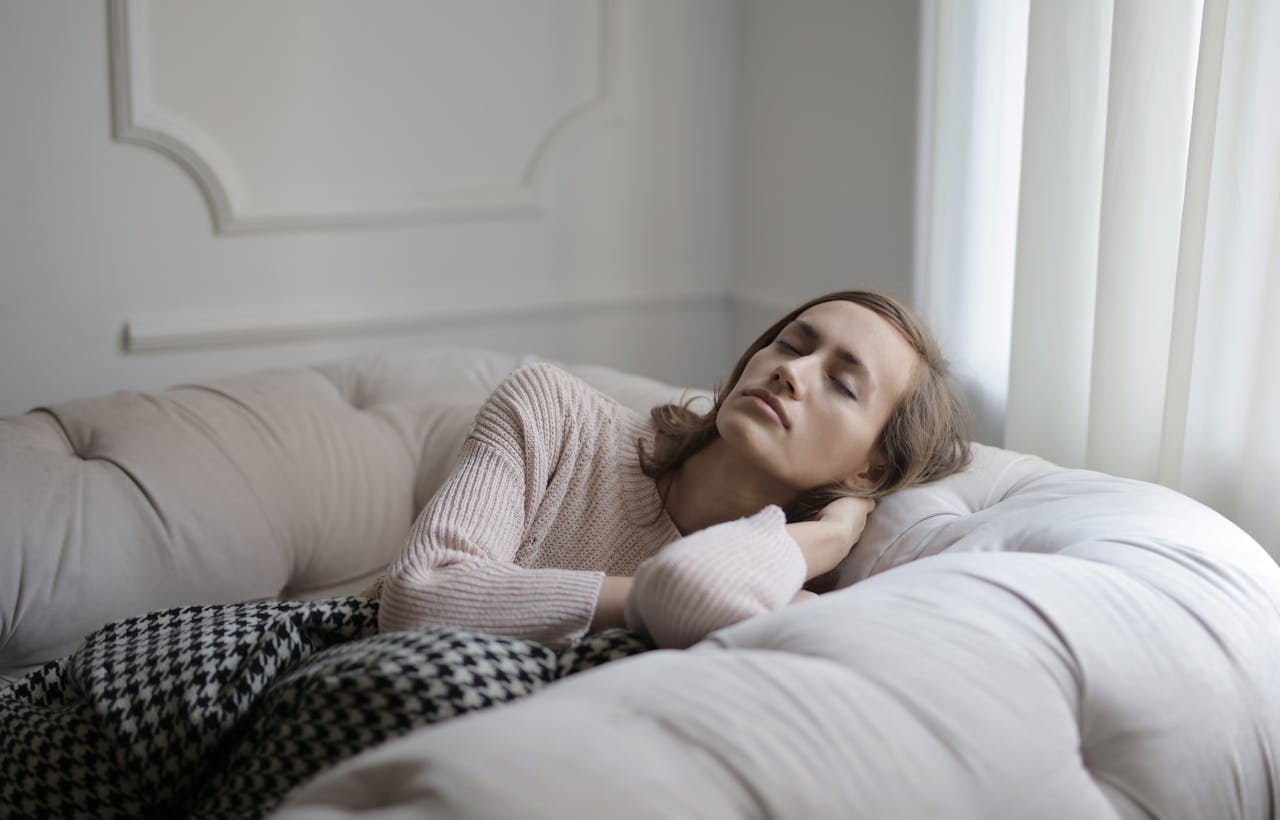
If your face looks “more tired” in one room and totally fine in another, that’s not your skin changing… it’s your lighting. The good news: most fixes take under 10 minutes.
LED Makeup Light Setup: Fix the Lighting Mistakes That Add Shadows and Dull Tone
Let’s be slightly sceptical about the usual advice. People blame “dark circles” or “looking older” when the real culprit is often the room’s lighting pattern: hard light from above, a yellow bulb fighting a blue bulb, or a mirror stuck in a dim corner.
Two quick truths to anchor this guide:
- Shadows read as tiredness. When light comes mainly from above, it drops darkness into eye sockets and under the brow, which your brain interprets as fatigue.
- Bad colour reads as dullness. Warm bulbs can make you over-correct with makeup, cool bulbs can make skin look flat or grey, and mixed bulbs make everything feel “off”.
⚡ PRO INSIGHT
Before you buy anything, run a 60-second test: stand where you normally get ready, then hold your phone torch at cheek level (not overhead) and point it at your face. If your under-eye area looks instantly fresher, your “tired look” is primarily a light direction issue, not a skincare emergency.
The 9 everyday lighting mistakes that quietly sabotage your face
1) Relying on one overhead ceiling light
Overhead lighting is efficient for a room, but rarely flattering for a face. It creates “top-down” contrast: darker eye sockets, deeper smile-line shadows, and harsher texture. If you’ve ever looked fine in the hallway and then suddenly exhausted in the bathroom, this is usually why.
Fix: Add a second light source at face level. A wall light near the mirror, or even a small lamp bounced off a pale wall, makes the light wrap rather than carve.

2) Mixed bulbs in the same room, warm + cool at once
This is the sneaky one. A warm bathroom bulb (yellow) plus a cool hallway bulb (blue-white) gives your face two competing colour casts. Your foundation matching becomes guesswork and your under-eye area can look oddly grey or green.
Fix: Make the room “one temperature”. Pick one colour temperature for your getting-ready zone and stick to it. Colour temperature is measured in Kelvin, higher numbers look cooler and lower numbers look warmer. :contentReference[oaicite:0]{index=0}
3) Too dim in the morning, then harsh later
Dim light hides texture and muddles colour. Then you step into daylight or office lighting and everything looks heavier than you intended. If you’re in the 45–64 bracket, dim lighting can be even more misleading because you may naturally need more light for detail work, especially around eyes and grooming. (That’s physiology, not vanity.)
Fix: For accuracy tasks (base makeup, shaving edges, brow grooming), aim for “bright but soft”. If you can dim, great. If you cannot, diffuse.
4) Choosing a bulb with poor colour accuracy (low CRI)
CRI (colour rendering index) is a rough way to describe how accurately a light shows colour compared with a reference. If colour accuracy is low, you can end up with makeup that looks fine at home and wrong everywhere else.
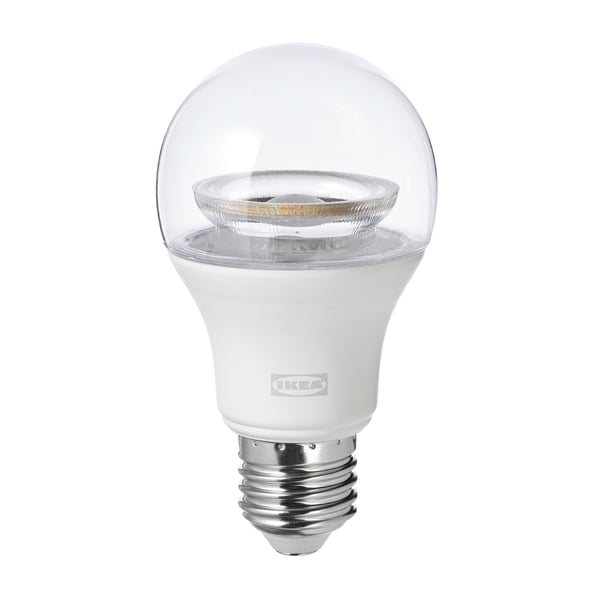
A practical shortcut: look for CRI 90+ where possible for “true colour” tasks. IKEA’s own bulb pages explicitly call out CRI and note that values above 80 are good, and some bulbs reach 90. :contentReference[oaicite:1]{index=1}
5) Cool, blue-heavy light late at night, then wondering why you look rough
Late at night, cooler light can make skin look flatter and more washed out. Separate point that’s worth knowing: bright, blue-heavy light in the evening can interfere with sleep timing for some people. Harvard Health notes blue light suppresses melatonin more strongly than other wavelengths. :contentReference[oaicite:2]{index=2}
Expert quote
“Exposure to brighter light during the daytime makes us less sensitive to light at night.”
Charles A. Czeisler (sleep and circadian researcher), in a 2024 radio interview transcript. :contentReference[oaicite:3]{index=3}
Fix: In the evening, switch your getting-ready spot to a warmer, softer setting for comfort, but do one quick “reality check” in neutral light before leaving the house if you’ve applied base makeup.
6) Backlighting yourself (window behind you, mirror facing a bright window)
If the brightest thing is behind you, your face becomes a silhouette. Your eyes strain, your under-eye looks darker, and you start over-correcting. This is one reason people pile on concealer in the wrong place.
Fix: Turn 90 degrees so the window light hits you from the side, or move the mirror so the window is in front of you. Even better: add a face-level light so you’re not dependent on the weather.
7) Putting the mirror in a dark corner, then using a “spot” lamp
A single bright lamp in an otherwise dark corner creates hard contrast. That contrast is what makes texture and shadows look exaggerated.
Fix: Raise the room’s ambient level slightly, then use a softer key light at face level. Think “even base layer” plus “gentle front fill”.
8) Forgetting the wall colour matters (paint can tint your face)
Light bounces. A strong coloured wall can reflect colour back onto your skin. If you’ve ever looked oddly green next to a sage wall, that’s not you going ill, it’s the bounce.
Fix: Keep your getting-ready area near a neutral surface, or point a lamp at a white wall to “bounce” a clean light back.
9) Skipping the “two-light check” before you leave
If you only check under one bulb, you’re trusting that bulb to represent the outside world. It won’t.
Fix: Check once in your “work light” (neutral, accurate), and once in your “destination light” (warm for evenings, cooler for office). This is faster than redoing your makeup in a taxi.
⚡ PRO INSIGHT
If you only change one thing: stop using the ceiling light as your main mirror light. Make the ceiling light “room ambience”, and make your face-level light the “truth light”.
A simple “no-drama” LED makeup light setup for real mornings
You do not need studio gear. You need direction, softness, and consistency.
| Goal | What to do | Why it helps |
|---|---|---|
| Reduce under-eye shadow | Add a face-level light (mirror-height lamp or lit mirror), keep overhead secondary | Fills eye socket shadows so your face reads more rested |
| Better colour matching | Use one colour temperature in the zone, aim for neutral first | Avoids colour cast and over-correction |
| Sharper grooming detail | Increase brightness slightly, diffuse with shade or bounce | More visibility without harsh “spotlight” contrast |
If you’re choosing bulbs, IKEA lists options like 4000K “cool white” and also explains CRI on product pages, which is unusually transparent for a mainstream retailer. :contentReference[oaicite:4]{index=4}
Retailer examples (strictly relevant) for fixing tired-looking lighting
These are not “must buys”, they’re concrete examples of what to look for: a face-level light source, a consistent bulb temperature, and optionally a dimmable system so you can tune mornings vs evenings.
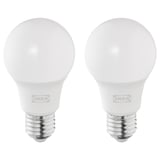
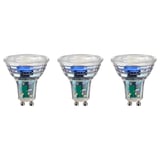
IKEA bulbs and smart lighting can help fix a tired face.
Where a lit mirror fits (without pretending it’s magic)
If your routine happens in inconsistent lighting (classic UK bathroom downlight, dark winter mornings, mixed bulbs), a lighted mirror can be a practical way to control the one variable that keeps lying to you: your light source.
| Use case | Best option | Here’s Our Favourite |
|---|---|---|
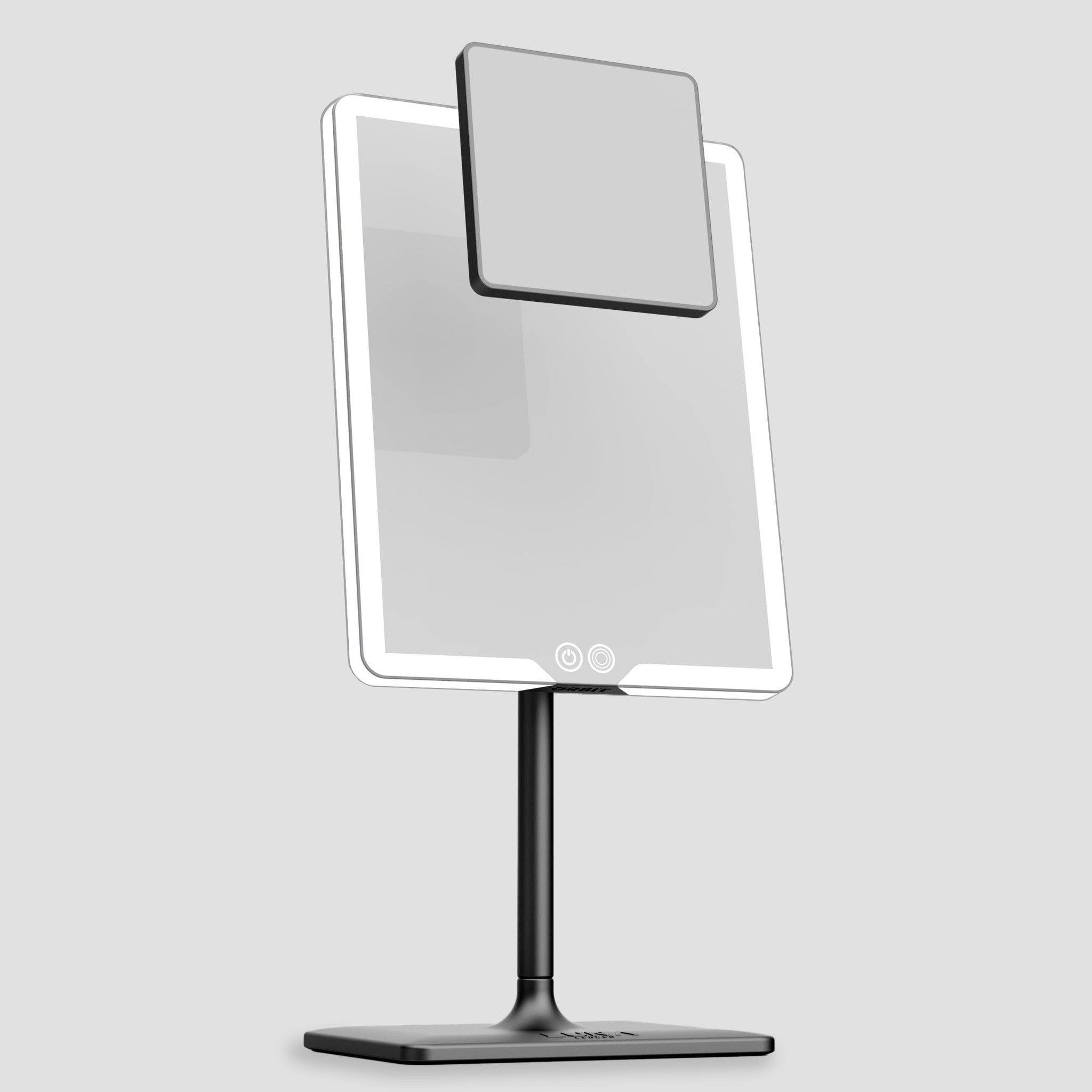
| Daily at-home accuracy (makeup, skincare checks, grooming) | ORBIT | ORBIT, because consistent face-level light reduces “tired” shadowing fast. |
| Travel, hotel lighting, quick fixes | ECLIPSE | Best when you cannot control the room lighting at all. |
| On-the-go touch-ups and “second check” before leaving | COMPACT 2.0 | Ideal for a quick reality check under neutral light. |
If you want more depth on indoor lighting specifically, these two are worth a skim: Fix Patchy Foundation with Better Lighting and Indoor Lighting for Natural Makeup.
Quick demo: consistent lighting, anywhere
If you’re curious what “controlled face-level light” looks like in practice, here’s a short visual example.
A calmer way to fix “tired lighting”
If your main problem is overhead shadows and inconsistent bulbs, a controlled face-level light can remove the guesswork. ORBIT is designed to give you a consistent reference so your routine isn’t at the mercy of the room.
Explore ORBIT lighting control →FAQs
Why do I look more tired in the bathroom mirror?
Bathrooms often rely on a single overhead downlight. That direction puts shadows into eye sockets and under the brow. Add a face-level light (or a lit mirror) and keep the ceiling light as ambient.
What colour temperature is best for LED makeup light?
For accuracy, neutral to cool-white is usually easiest, then you can sanity-check under warmer evening lighting. The key is consistency in your getting-ready zone, not chasing a single “perfect” number. Colour temperature is measured in Kelvin. :contentReference[oaicite:5]{index=5}
Does dim lighting really make makeup look worse later?
Yes, because dim light hides texture and dulls colour cues. People tend to apply more product to compensate, then see it clearly in brighter environments.
What is CRI and why does it matter for makeup and grooming?
CRI is a metric for how accurately a light source renders colours compared with a reference. Higher CRI generally helps you see undertones and product colour more truthfully. Some mainstream retailer bulbs explicitly list CRI, for example CRI 90 on certain IKEA options. :contentReference[oaicite:6]{index=6}
Why does cool light make me look grey or washed out?
Very cool, blue-heavy light can flatten warmth in skin tone and exaggerate contrast around the eyes. Try neutral light for application, then adjust for vibe if you want warmth.
Is ring light good for looking less tired?
It can help because it provides even, face-on illumination that reduces harsh shadows. The trade-off is it can look “flat” and too bright if it’s close, so dim it down and keep it slightly above eye line.
Related Links
- 10 Small Lighting Adjustments That Make You Look Younger Instantly
- Indoor Lighting for Natural Makeup: True-Tone Tricks
- Fix Patchy Foundation with Better Lighting
- Harvard Health: Blue light and sleep disruption


Leave a comment
This site is protected by hCaptcha and the hCaptcha Privacy Policy and Terms of Service apply.