

How to Set New Year Resolutions That Stick in 2026 (Without Burning Out)
Summary: The best new year resolutions that stick are small enough to repeat, clear enough to track, and backed by a plan for your most likely obstacles. Pick one theme for 2026, choose 3–5 micro-resolutions across body, mind, and beauty, then turn each into an if-then plan. Review weekly, reset fast after slips, and build consistency from the bad-day version.
Resolutions fail for boring reasons: vague goals, too much friction, and an all-or-nothing mindset. If your plan needs a perfect week, it will not survive a stressful one. So this is not a hype piece. It’s a builder you can actually use.
Why most New Year resolutions collapse
- Vagueness: “Be healthier” has no starting line.
- Friction: the habit is hard to begin when you’re tired.
- Punishment: one missed day turns into quitting.
One useful counterpoint: in a large public experiment, over half of participants still considered themselves successful at one year, especially when goals were approach-focused and supported with planning (Oscarsson et al., 2020).
⚡ PRO INSIGHT: If your resolution is not doable on a bad day, it is not a habit yet.
Write the minimum first (5 minutes, not 50). Then choose an optional upgrade for good days.
Resolution Builder 2026: the three-part system
- Choose a theme so your goals point in one direction.
- Pick 3–5 micro-resolutions across body, mind, relationships, environment, and beauty.
- Turn each into a plan with a cue, an obstacle, and a reset rule.
Step 1: Choose one theme for the year
A theme is a filter, not a to-do list. It makes decisions easier because it tells you what “yes” looks like. Examples: “steady”, “calm”, “strong”, “simple”.
| Theme | What it steers you towards | A quick test |
|---|---|---|
| Steady | Consistency over intensity | Would I still do this if results were slow? |
| Calm | Lower stress, fewer frantic days | Does this reduce background stress? |
| Strong | Strength, posture, energy | Will future-me thank me in 6 months? |
| Simple | Less clutter, fewer decisions | Does this remove a daily annoyance? |
Pick one. Two themes is often a sign you have not chosen yet.
Step 2: Pick 3–5 micro-resolutions

Micro-resolutions are small actions you can repeat. They are easier to keep, easier to track, and easier to restart.
| Lane | Resolution | Bad-day version |
|---|---|---|
| Body | Walk after lunch, 4 days a week | 5-minute loop outside |
| Mind | Nightly brain-dump note | 3 bullets |
| Relationships | One thoughtful message weekly | Voice note while walking |
| Environment | Reset one surface each evening | Just the kitchen counter |
| Beauty | Simple skincare, 5 days a week | Cleanse + moisturise |

Step 3: Make each goal friction-proof with if-then plans
The key question is “When will I do it, and what will stop me?” An if-then plan (also called an implementation intention) links a cue to an action.
- If it is 9:30pm and I want to snack, then I make peppermint tea first and wait 10 minutes.
- If I miss a workout, then I do the bad-day version tomorrow, no “catch up”.
- If I start scrolling in bed, then I put my phone on charge across the room.
⚡ PRO INSIGHT: Name the obstacle, not just the ideal.
Write one plan for “tired” and one for “busy”. If it only works in your best mood, it is not robust.
Bonus tool: the WOOP method (wish, outcome, obstacle, plan)
If you like structure, WOOP is a simple way to pressure-test a resolution. It forces you to name the internal obstacle, not just the external situation, then write a plan you can follow when that obstacle shows up.
- Wish: what do you want, in one sentence?
- Outcome: what’s the best realistic result if you keep going for 3 months?
- Obstacle: what inside you usually derails this (tiredness, boredom, anxiety, procrastination)?
- Plan: your if-then rule for that obstacle.
Example: Wish, “I want a consistent evening skincare routine.” Outcome, “My skin feels calmer and I’m less tempted to pick.” Obstacle, “I’m exhausted and I just want to collapse.” Plan, “If I feel too tired, then I do cleanse + moisturise only.” You can explore the method in more depth at WOOP My Life.
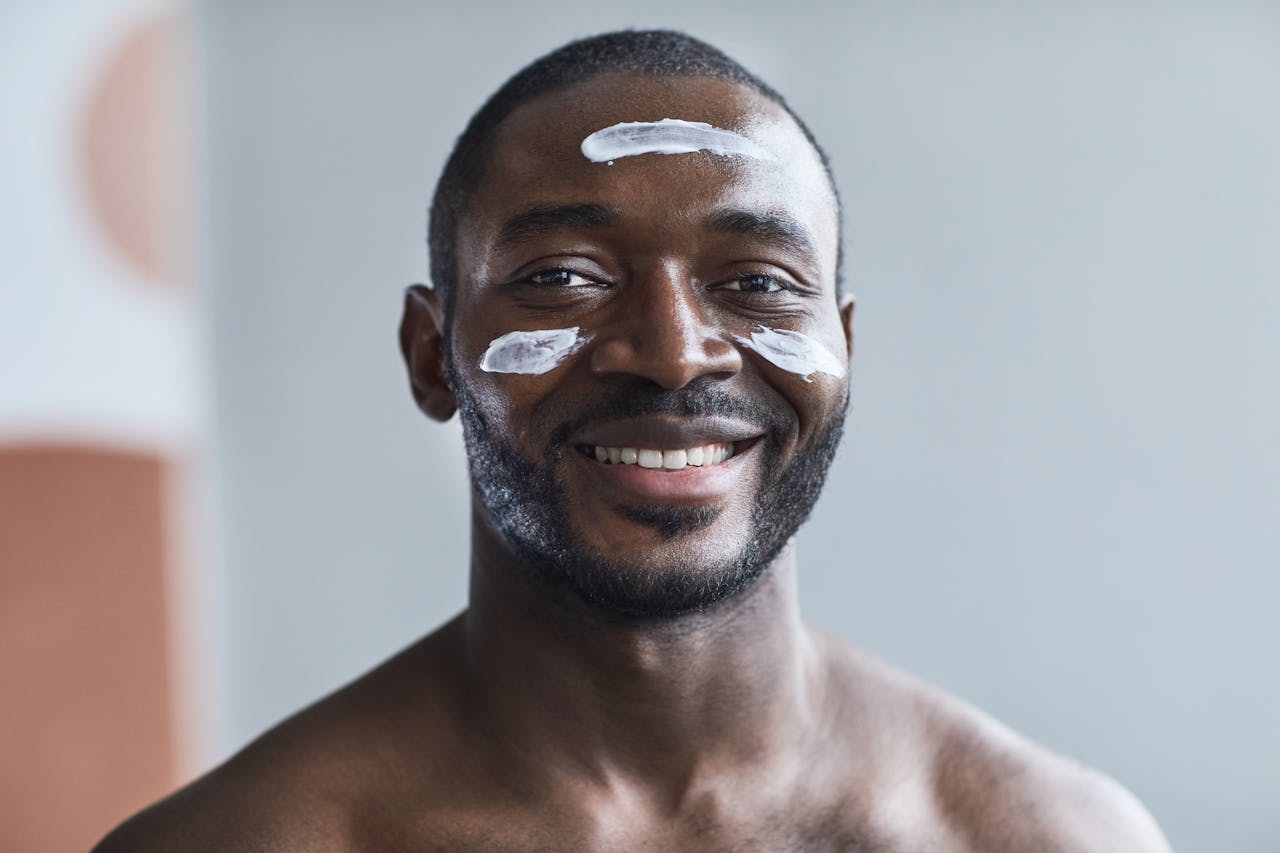
Beauty goals that support wellbeing (without turning into pressure)
Beauty resolutions work when they remove friction and reduce decision fatigue. They tend to fail when they become a moral test. Keep them simple and evidence-friendly:
- Skincare baseline: cleanse and moisturise consistently before adding extra “treatment” steps.
- SPF habit: keep sunscreen where you brush your teeth so it becomes automatic. UK dermatology guidance often recommends SPF 30+ with UVA protection for sun awareness (see the British Association of Dermatologists sunscreen fact sheet).
- Weekly hygiene reset: wash pillowcases, wipe your phone, and clean brushes or sponges once a week. It’s not glamorous, but it’s low-effort and supportive.
- Hair and scalp: a 60-second brush and scalp massage is a good “bad-day” ritual that still makes you feel pulled together.
If you’re unsure where to start, choose one “anchor ritual” you can do even when you’re stressed. Consistency is the glow-up.
Holistic mental health resolutions that are actually doable
Be sceptical of any resolution that promises you’ll feel amazing every day. A more realistic aim is lower volatility: fewer days where stress runs the show. Try one of these:
- Scrolling boundary: no social media for the first 20 minutes after waking.
- One real break: 10 minutes outside or away from screens each afternoon.
- Connection: one weekly catch-up that isn’t work admin.
- Sleep support: a wind-down routine that helps your brain switch gears (the NHS sleep tips are a helpful starting point).
If you’re dealing with persistent anxiety, low mood, or sleep problems, a “resolution” is not a substitute for support. Treat goal setting as a layer on top of getting the right help.
Criteria: the quick “stickiness” test
Before you commit, run your resolution through this five-part check. If it fails two or more, shrink it until it passes.
- Clear: I can tell if I did it today.
- Small: I can do it in under 10 minutes on a bad day.
- Repeatable: I can repeat it at least 3 times a week.
- Supported: I have an if-then plan for the main obstacle.
- Recoverable: I know how I’ll restart after a slip.
Shortlist: 9 resolutions that tend to stick
These are framed as repeatable actions, not outcomes.
Mental wellbeing and self-care
- Sleep wind-down: 15 minutes before bed, 5 nights a week.
- Daily daylight: step outside for 5 minutes before noon.
- Stress interrupt: one minute of breathing when you sit at your desk.
Beauty goals that support confidence
- Simple skincare: cleanse + moisturise nightly, add SPF when needed.
- Brush care: clean brushes weekly or swap to a fresh sponge.
- Wardrobe autopilot: plan 3 go-to outfits for busy weeks.
Health and energy
- Movement snack: stretch when the kettle boils.
- Weekly strength: 2 short sessions a week.
- Protein anchor: add one protein source at breakfast.
Expert perspective: why progress matters more than perfection
Expert quote
“Goal progress… can provide positive emotion, a sense of purpose and meaning, as well as agency and autonomy.”
Elliot Berkman, Professor of Psychology, University of Oregon (quoted in AP News).
Useful apps to help your 2026 resolutions stick
Apps only work if they reduce friction. The best ones do one job well: make the next action obvious, quick, and repeatable. Here are five that cover education, nutrition, fitness, mental health, and sleep.
| App | Best for | Why it helps resolutions stick | Website |
|---|---|---|---|
| Small Talk | Micro-learning + daily motivation | Perfect “2-minute win” habit. Quick facts, quotes, life hacks and prompts make it easy to build a daily learning streak without needing a big time block. | getsmalltalk.com |
| MyFitnessPal | Nutrition tracking | Makes “eat better” measurable. Logging even a few days a week gives clarity on calories, protein, fibre, and the patterns that quietly derail goals. | myfitnesspal.com |
| Nike Training Club | Fitness routines at home | Removes decision fatigue. You pick a session length (even 5–10 minutes) and follow along, which is exactly what you want on low-motivation days. | nike.com/gb/ntc-app |
| Headspace | Mental wellbeing and stress | Short, guided sessions make it realistic to practice when you’re anxious or busy. Great for building a calm-down routine that actually happens. | headspace.com |
| Sleep Cycle | Sleep consistency | If your sleep is chaotic, everything else gets harder. Tracking and a smarter alarm can help you spot patterns and stabilise your schedule. | sleepcycle.com |
⚡ PRO INSIGHT: Don’t download five apps and hope for a new personality.
Pick one primary app per lane (fitness, nutrition, mind). Set a “minimum use” rule (2 minutes counts). The goal is repetition, not perfect tracking.
Video: the tiny habits approach in under 20 minutes
Tiny habits work because the action is small enough to repeat and the “win” is immediate.

The foundation habits behind most “glow ups”
“Holistic” tends to work when it covers fundamentals: sleep, movement, nutrition, connection, and self-compassion. If you keep these steady, everything else becomes easier to maintain.
- Move weekly: aim for a realistic baseline, plus a little strength.
- Sleep routine: a wind-down ritual that reduces late-night stimulation.
- Skin basics: simple cleanse + moisturise consistency first.
- Connection: one real conversation a week that is not just logistics.
Your 10-minute Resolution Builder template (copy and paste)
- My 2026 theme is: __________
- My 3 micro-resolutions: 1) __________ 2) __________ 3) __________
- My main obstacle is: __________
- If-then plan: If __________, then I will __________.
- Bad-day version: __________
- Weekly review day/time: __________
How to track without turning it into punishment
Do a 5-minute weekly review. Keep it simple:
- How many times did I do the habit?
- What got in the way?
- What one tweak will make next week easier?

A softer way to start January
If you want extra structure, explore more goal-setting prompts, weekly reviews, and self-care planning ideas in our Resolution Builder series.
FAQs
How many New Year resolutions should I set?
Start with 3 micro-resolutions. Add more only after a month of consistency.
What if I miss a day?
Use a reset rule: never miss twice. Do the bad-day version next time.
Are beauty resolutions ‘shallow’?
Not if they are kind and practical. Small rituals can support confidence and mood.
What’s the best way to make a resolution stick?
Make it small, tie it to a cue, and write an if-then plan for the obstacle that usually derails you.
Should I track my habits every day?
Weekly tracking is often enough. It keeps it honest without feeding perfectionism.
What are good mental wellbeing resolutions?
Focus on foundations: sleep routine, daylight, movement, connection, and boundaries around scrolling.


Leave a comment
This site is protected by hCaptcha and the hCaptcha Privacy Policy and Terms of Service apply.