

Last updated: Sunday 23 August 2026
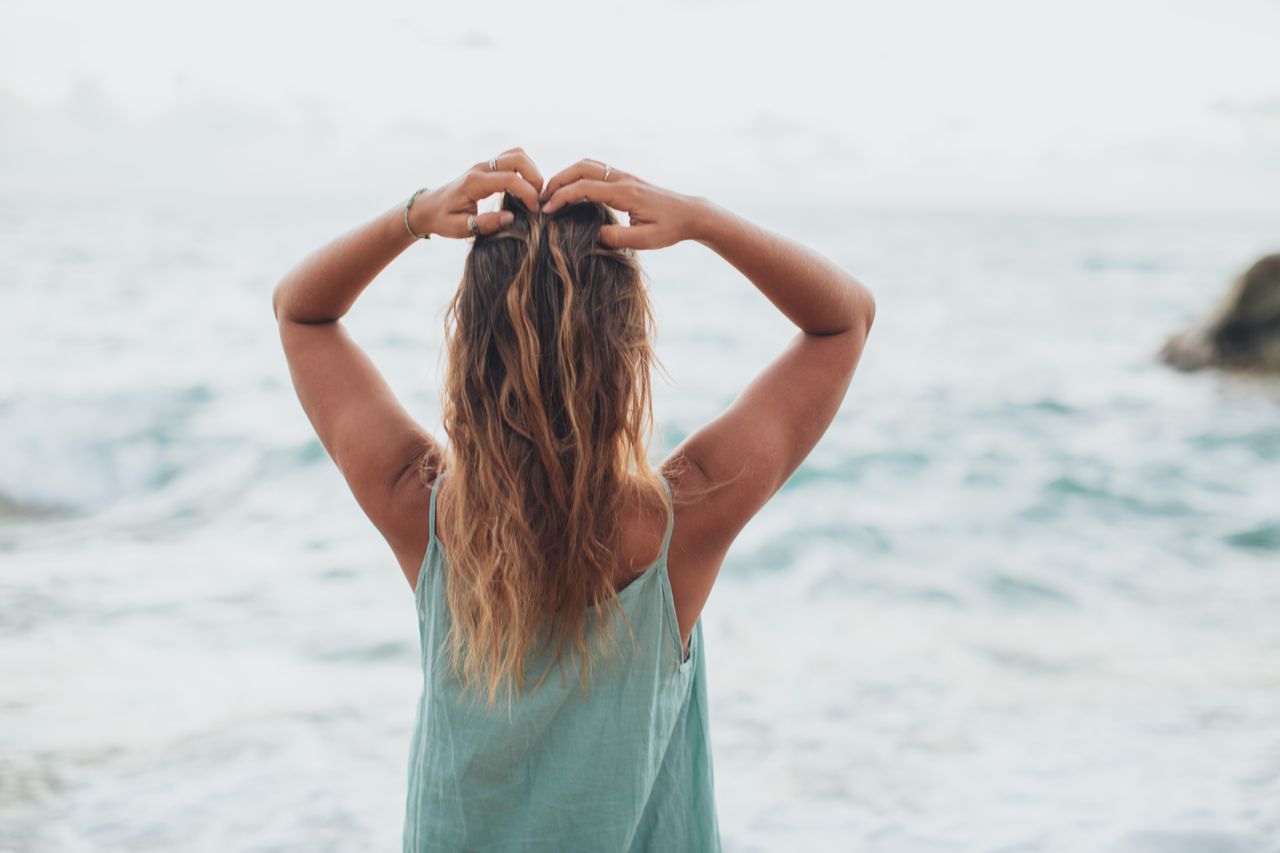
Holiday hair rarely comes home with one neat problem. Pool water may leave it coated, saltwater can make it feel rough, sun and repeated hot styling can increase dryness, and wet buns or rushed brushing can turn small tangles into stubborn knots.
The weak fix is to throw everything at it: a harsh clarifying shampoo, a heavy mask, oil, heat and aggressive brushing in the same evening. That can leave fine hair flat, textured hair under-conditioned and already fragile lengths exposed to more friction. A better post-holiday hair recovery starts with diagnosis.

Is it build-up, dryness or actual breakage?
Run your fingers through clean, dry hair and look at what is happening rather than what a product label promises. Chlorine-damaged hair can feel dry and rough, but a coated feeling, persistent pool smell or green cast points more towards residue that needs removing.
Step 1: Remove chlorine build-up without stripping twice
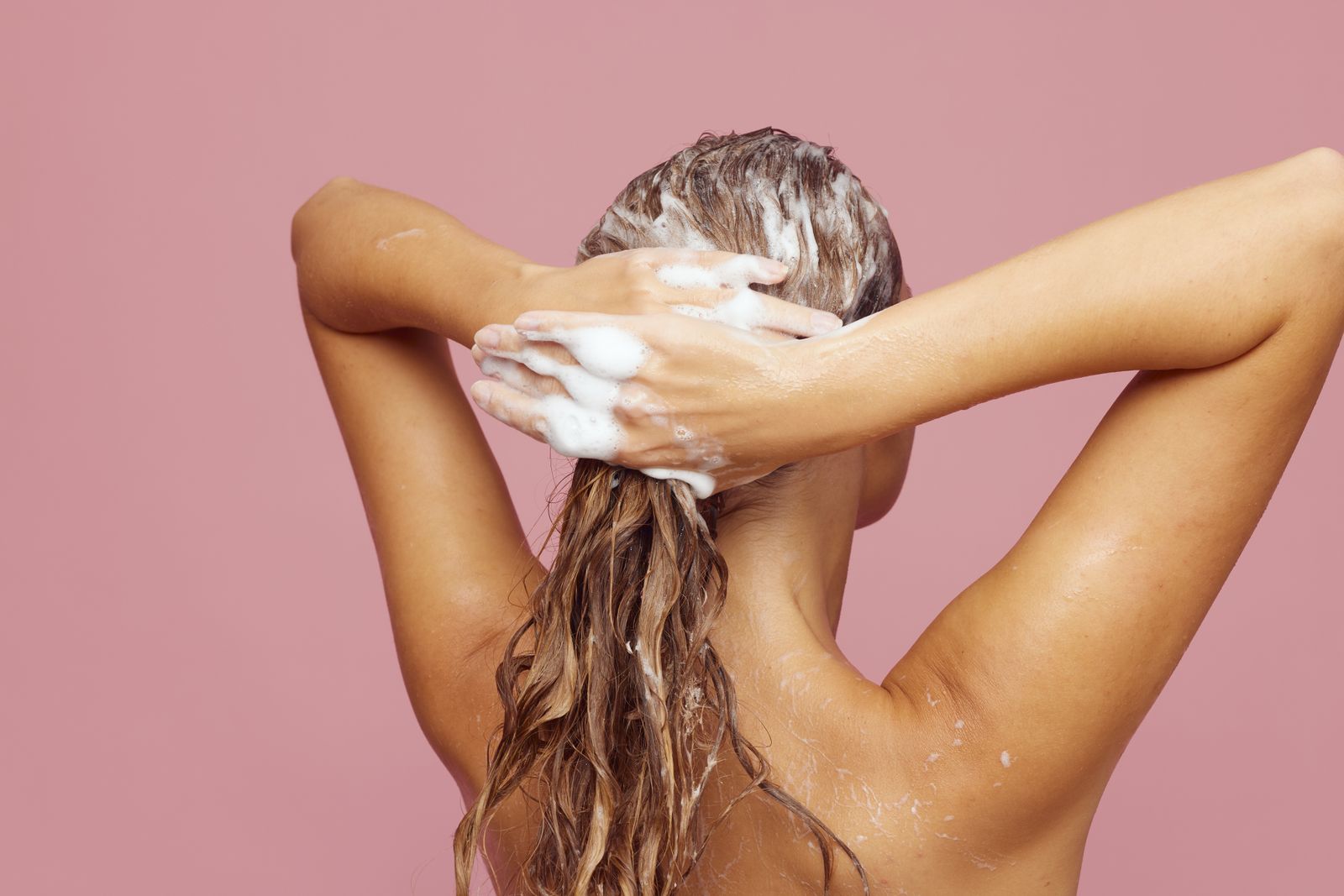
If you spent several days in a pool and the hair still feels coated after a normal wash, use a shampoo labelled for swimmers, clarifying or mineral removal. Concentrate shampoo at the scalp and let the rinse move through the lengths. Repeat only if the label directs you to, not because a second harsh cleanse feels more decisive.
Cleveland Clinic dermatologist Taylor Bullock, MD, advises that occasional clarifying can help frequent swimmers remove build-up, but daily use can itself be drying. Chlorine can strip protective oils, while the green cast sometimes seen on blonde or chemically treated hair is linked to minerals in pool water rather than chlorine alone.
⚡ PRO INSIGHT: Clarify for evidence, not anxiety. If the hair no longer smells of pool water and does not feel coated, another strong cleanse is unlikely to restore softness. Move on to conditioning and gentler handling.
Step 2: Restore slip before touching the knots
Conditioner is not cosmetic decoration here. It reduces the drag between strands so knots can separate with less force. Apply enough through the mid-lengths and ends to make the hair feel slippery, leave it for the stated time, then rinse without piling the hair on top of the head.
Fine or straight hair may need a light conditioner and a small amount of leave-in at the ends. Dense, curly, coily, bleached or naturally dry hair may need richer conditioning and more water while detangling. The product amount should follow strand thickness and density, not the size of a viral scoop.
The low-tension reset
Condition first. Detangle second.
Once the hair has slip, use flexible bristles to separate knots in small sections instead of pulling a dry brush through the whole length.
Step 3: Detangle in the order professionals protect
- Divide the hair: use two to six sections depending on density.
- Hold above the knot: support the section so every stroke does not transfer tension to the scalp.
- Start at the last few centimetres: clear the ends before moving higher.
- Use short passes: if the tool stops, add water or conditioner rather than force.
- Protect the texture: do not brush dry waves, curls or coils simply because holiday frizz looks untidy.
The American Academy of Dermatology makes an important distinction: straight hair can be allowed to dry a little before gentle combing, while textured or tightly curled hair is generally better detangled while damp. One universal brushing rule would ignore how differently those textures respond.
“Summer can be a perfect storm for hair damage.”
- Mitchell Ramazon, celebrity hairstylist, Marie Claire (2026)
Step 4: Give heat and tight styles a short holiday too
Hair does not need to look salon-finished on the first evening home. For the next few days, use the lowest practical dryer setting, reduce direct hot-tool passes and avoid securing damp hair in the same tight bun each day. A loose braid, low ponytail, claw-clip twist or defined natural texture keeps the shape controlled without repeatedly stressing one point.
Watch hairstylist Laura Collins explain how sun, saltwater, chlorine and repeated tight styles affect hair, plus the handling changes that reduce further breakage.
A gentler brush-through
Start at the ends. Earn your way upwards.
DETANGLER's flexible dual-layer bristles are designed to move through wet or dry hair with less tugging. Pair the tool with enough slip and small sections rather than asking the brush to overpower a knot.
Your 48-hour post-holiday hair recovery plan
First wash
Choose one cleansing route. Use a swimmer's or clarifying shampoo for genuine residue, or your normal gentle shampoo if dryness is the main issue. Follow with conditioner, detangle in sections and blot with a microfibre towel or soft cotton T-shirt instead of rubbing.
First night
Let the hair settle. Use a small amount of leave-in or oil only where it improves flexibility. Avoid sleeping with a heavy wet bun, and do not add a protein, bond and moisture treatment together simply because each says “repair”. Too many new variables make it harder to see what helped.
Next day
Check the result when fully dry. If the coating is gone but the ends remain rough, prioritise conditioning at the next wash. If the hair is soft but flat, reduce product weight. If green discolouration, severe snapping, scalp pain or shedding persists, book a colourist, stylist or dermatologist rather than repeating home treatments.
Saltwater holidays need the same calm logic. Cleveland Clinic's 2026 saltwater guidance explains that repeated exposure without rinsing and moisturising can leave hair rough and brittle, with colour-treated hair generally more vulnerable.
⚡ PRO INSIGHT: Judge recovery when the hair is fully dry. Wet hair can feel smooth because it is saturated, while too much mask can make fine hair look limp. The useful result is easier detangling and better flexibility without a heavy coating.
What not to do to chlorine-damaged hair
- Do not clarify every day: stronger cleansing can remove residue, but repeated use may increase dryness.
- Do not attack green hair with random kitchen acids: mineral-related discolouration may need a formulated treatment or colourist.
- Do not brush textured hair dry by default: preserve curl groups and detangle at the damp stage that suits the texture.
- Do not flat-iron the roughness away: temporary smoothness can hide a problem while adding more heat exposure.
- Do not expect split ends to fuse permanently: conditioning can improve feel and flexibility, but visibly split or snapping ends may need trimming.
For future trips, keep prevention separate from recovery. LUNA's vacation hair checklist covers what earns suitcase space, while the pool-to-dinner hair guide handles the same-day rinse and styling problem. This page begins after the suitcase is home.

Review the recovery tool
Use one brush that does not turn knots into a tug-of-war.
DETANGLER is designed for wet or dry hair, with flexible dual-layer bristles and a curved 40g body. It fits the part of post-holiday recovery that products cannot do alone: controlled, lower-tension handling.
Wet or dry use. Flexible bristles. Suitable across fine, thick, curly, coily and colour-treated hair.
Verified LUNA London product specificationsQuick tracked delivery available in:
 USA
USA UK
UK EU
EUFAQs
How long does post-holiday hair recovery take?
A coated feel can improve after one appropriate cleanse and condition, but dryness and breakage need gentler handling over several washes. Hair that continues snapping, shedding or irritating the scalp should be assessed by a stylist or dermatologist rather than repeatedly treated at home.
How do I remove chlorine build-up without drying my hair out?
Use a swimmer's, clarifying or mineral-removal shampoo once and follow its directions, then condition for slip. Do not use a strong clarifier daily. If a normal wash has already removed the smell and coated feel, move to conditioning rather than cleansing again.
Can I brush chlorine-damaged hair while it is wet?
It depends on the texture. Straight hair may benefit from drying slightly before gentle detangling. Curly, coily or tightly textured hair is usually better detangled while damp with enough conditioner or leave-in for slip. In every case, use sections and work from the ends upwards.
Related links
- Vacation Hair Checklist: What Stylists Pack
- Pool-to-Dinner Hair Fixes: 7 Easy Saves
- Humidity Hair Rescue: What Stylists Fix First
- LUNA DETANGLER Hair Brush
- Explore more LUNA London beauty guides

Leave a comment
This site is protected by hCaptcha and the hCaptcha Privacy Policy and Terms of Service apply.