


Last updated: Thursday 20th August 2026
Your foundation looked right when you applied it. Twenty minutes later, it is darker, warmer and noticeably orange around the jaw. That colour shift is commonly called foundation oxidation, but the label is sometimes used too loosely.
True oxidation involves oils or colour pigments changing through contact with oxygen and other conditions. Foundation can also darken as it dries, as skin oil breaks through, or because warm light disguised an undertone mismatch. The fixes differ, so buying a lighter shade immediately can create another problem.
Oxidation, dry-down or the wrong undertone?
Use this quick diagnosis before changing your foundation. Apply one clean stripe along the jaw, leave it untouched, then compare it with a fresh stripe from the same bottle after 15 to 30 minutes.
⚡ PRO INSIGHT: Put the fresh and settled swatches beside each other. Memory is poor at judging small colour changes, but a side-by-side comparison makes a warm shift obvious.
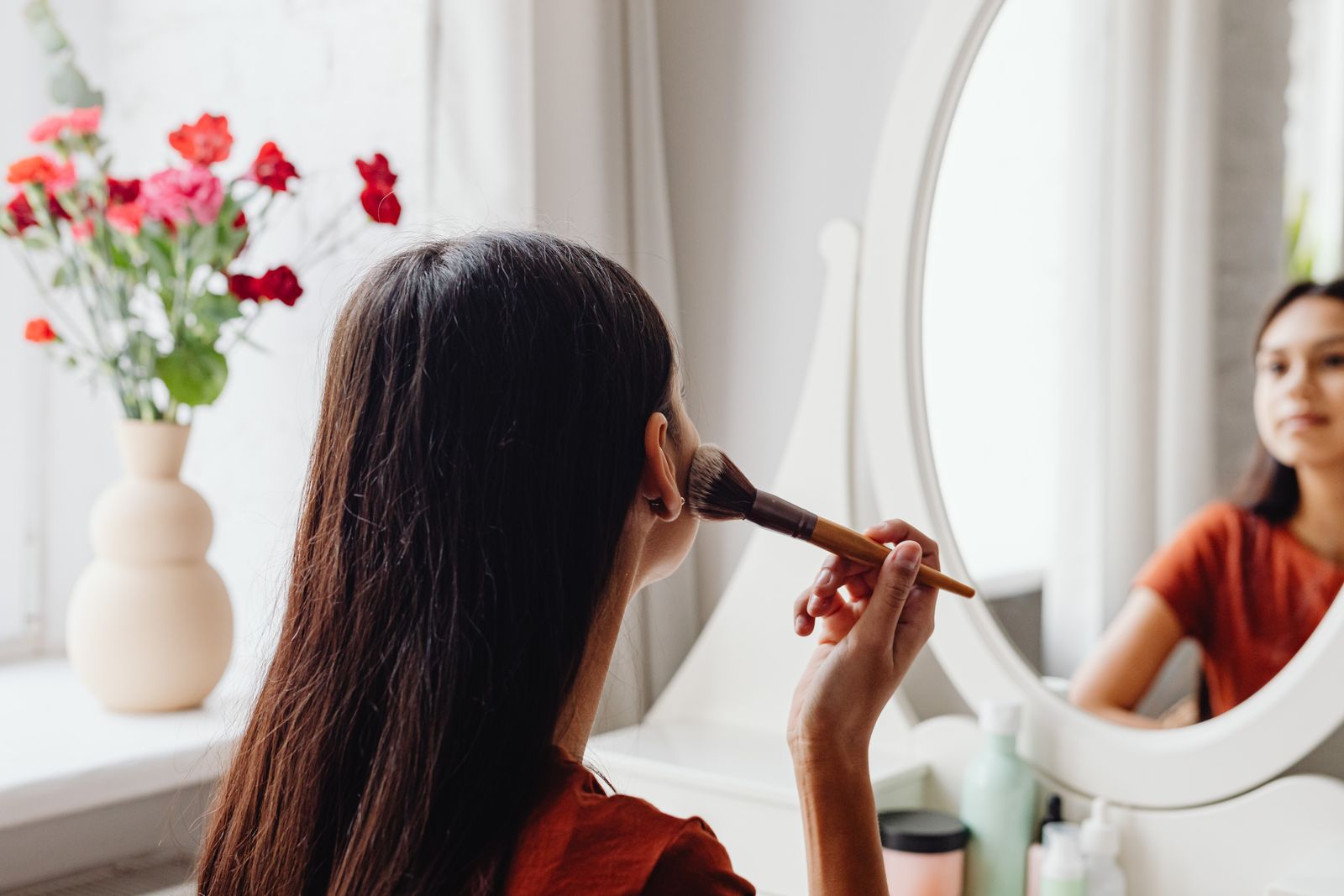
Why does foundation oxidise? The seven common reasons
1. Your natural oils are changing the finish
Sebum can mix with foundation and make pigments appear deeper or warmer. The shift may be more noticeable across the forehead, nose and chin than at the drier edges. A 2025 expert-reviewed Byrdie guide notes that colour change is more common on oily skin.
How to stop it: begin with clean skin, use a light layer of skincare and blot excess shine before foundation. During the day, blot first rather than repeatedly adding powder, which can make the base look heavier and darker.
2. Your skincare or primer is too rich
A generous layer of face oil, balm or heavy moisturiser can leave more oil between the skin and foundation. That does not mean oily products are bad, but they may be a poor morning partner for a formula that already shifts warm. Let skincare settle, remove any visible excess, then use the thinnest effective layer of primer.
How to stop it: test the foundation on three separate days: once over bare moisturised skin, once over your usual primer and once over a lighter oil-controlling primer. Change one variable at a time. Otherwise, you will not know which layer made the difference.

The ORBIT method
Fresh swatch. Fifteen minutes. Same mirror.
Keep the setup consistent while your foundation settles, then compare the jaw, cheek and neck without changing rooms or chasing different light.
3. The foundation formula is prone to colour change
Not every foundation behaves the same way. Cosmetic scientist Ginger King explains that colour pigments and oils in a formula can contribute to colour change, while liquid formulas tend to show the issue more readily than powders. If one bottle turns orange over multiple primers and application methods, the formula may simply be a poor fit for your skin.
“The oil on our skin or even in the formulation can also be oxidized and cause color change.”
- Ginger King, cosmetic scientist, Byrdie (updated 2025)
How to stop it: ask for a sample and wear it for a full day before buying. Do not rely on a bottle swatch or a five-minute shop-floor match. If the same formula consistently changes colour, switch formula before trying to engineer an elaborate routine around it.
4. It is actually the wrong undertone
A foundation can be the correct depth but contain too much peach, red or yellow. Warm light may disguise the mismatch before neutral daylight exposes it. This is not oxidation.
How to stop it: test undertones at the same shade depth. Place warm, neutral and olive or cool options along the jaw, then compare face, neck and upper chest from a normal distance. LUNA's guide to common foundation matching mistakes covers the wider shade-selection process without replacing this oxidation test.
5. You are mistaking normal dry-down for oxidation
Liquid foundation often looks lighter or more luminous while it is wet. As water and volatile ingredients evaporate, the intended finish and shade become visible. A small, even change that happens quickly may be dry-down. A stronger orange shift that keeps developing through wear is more consistent with the problem people mean by oxidation.
How to stop it: choose the shade after it has settled. Compare a fresh stripe with a 15 to 30-minute stripe in the same light. Never decide from the wet swatch alone.
6. Heat, humidity and long wear are bringing oil through
Heat and humidity do not guarantee oxidation, but they can increase shine and make an oil-sensitive formula change faster. A base may behave well in winter, then deepen during a warm commute or crowded event.
How to stop it: use thin layers, set only the areas that become oily, and carry blotting paper. More foundation and more powder are rarely the answer. They add pigment and texture to a base that is already moving.
Three-light reality check
One mirror. Three honest lighting checks.
Use ORBIT's large 11-inch view for the full-face match, adjust the brightness, then switch light settings to see whether the foundation changed or the room did.

7. The foundation is old or has been stored badly
Heat, sunlight and repeated exposure to air can change a cosmetic's colour, texture and smell. Byrdie cites an average foundation shelf life of 12 to 18 months, but averages are not a substitute for your bottle's label. UK guidance explains that the open-jar period-after-opening symbol tells you how long the product is intended to remain safe after opening.
How to stop it: check the symbol, note when you opened the bottle and store it away from direct sun and steamy bathroom heat. Replace it if the smell, texture or separation has changed. Shaking may remix a normal formula, but it does not make a deteriorated product new again.
How to stop foundation oxidising: the practical routine
- Start clean: remove excess oil without stripping the skin.
- Keep prep thin: let skincare settle before adding primer or foundation.
- Apply less: use a thin first layer, then add coverage only where needed.
- Wait before judging: compare fresh and 15 to 30-minute jaw swatches.
- Check in consistent light: use neutral, front-facing light for the first decision, then preview a second setting.
- Run a full wear test: inspect the T-zone and jaw after two, four and eight hours.
- Change one variable: test primer, formula or shade separately rather than replacing everything at once.
⚡ PRO INSIGHT: Do not automatically buy two shades lighter. If the problem is an orange undertone rather than depth, a paler warm shade will still be orange and may leave the face lighter than the neck.
The answer in one sentence
Foundation turns orange when the formula or oils change its colour, or when dry-down, undertone and misleading light make the original mismatch easier to see. The reliable fix is a controlled wear test, not guesswork.
Keep the test repeatable: swatch along the jaw, wait 15 to 30 minutes, compare the face and neck in neutral light, then use the lighting modes to preview how the finished base will look indoors and outside.

A better final check
Give your foundation one honest place to settle.
From the fresh swatch to the finished base, ORBIT keeps the view large, front-facing and repeatable—so you can stop second-guessing the shade.
★★★★★
“The light really helped in our darker bathroom.”
LUNA customer reviewQuick tracked delivery available in:
 USA
USA UK
UK EU
EUFAQs
How long does foundation take to oxidise?
A 15 to 30-minute swatch test can reveal an early colour change, but some formulas continue changing as oil, heat and wear build through the day. Test a sample for several hours before buying when oxidation is a recurring problem.
Can primer stop foundation from oxidising?
Primer can help when excess oil is contributing to the colour shift, but it cannot rescue every formula. Test a thin, oil-controlling primer against your usual routine. If the foundation still turns orange, change the formula or undertone rather than piling on more products.
Should I buy a lighter foundation if mine oxidises?
Not automatically. First establish whether the change is oxidation, normal dry-down or the wrong undertone. Choose a lighter shade only after a settled swatch proves the formula reliably becomes darker while keeping the correct undertone.
Related links
- 7 common foundation matching mistakes
- Warm, cool or natural light for makeup?
- Makeup mistakes bad lighting makes worse
- ORBIT Phantom Black


Leave a comment
This site is protected by hCaptcha and the hCaptcha Privacy Policy and Terms of Service apply.