

Last updated: Saturday 15 August 2026
Skin tint vs foundation sounds like a simple choice until tinted moisturiser enters the conversation and every label starts promising the same fresh, natural finish. The honest answer is that these categories overlap. A modern foundation can be sheer and hydrating, while some skin tints build further than older tinted moisturisers ever did.
Do not buy all three because social media has assigned each one a different personality. Buy according to coverage, finish, wear and how your skin behaves through the day.
Skin tint vs tinted moisturiser vs foundation: the quick answer
The labels skin tint and tinted moisturiser do not reliably measure pigment or wear across brands. InStyle's 2026 testing guide instead assesses coverage, finish, hydration, wear and shade range. Those criteria tell you more than the name on the tube.

What is the real difference between the three?
Skin tint: the least visible correction
A skin tint is usually the sheerest option. It lightly evens the complexion while freckles and natural texture remain visible. It is often fluid or serum-like, although textures vary.
Buy one if you want skin to look more even without looking covered. For targeted correction, a thin tint plus concealer often works better than repeatedly building a sheer product over the whole face.
Tinted moisturiser: comfort first, colour second
Tinted moisturiser traditionally puts hydration and comfort ahead of coverage. Dr Dendy Engelman describes it as combining moisturiser benefits with a light skin tint, which suits quick routines and people who dislike the feel of conventional base makeup.
The name can overpromise. It may not hydrate very dry skin, while rich formulas can look glossy on oily areas. Treat it as makeup with moisturising properties unless it genuinely replaces your usual moisturiser.
Foundation: the broadest category
Foundation is not automatically heavy. It offers the widest range of coverage, finish and wear options. A buildable light-to-medium foundation may be more economical than owning separate products for every occasion.
⚡ PRO INSIGHT: Judge coverage from normal conversation distance before inspecting close up. If you begin inches from a magnifying mirror, you can end up covering normal skin texture that nobody else can see.
“Tinted moisturisers are a lightweight alternative to foundation. They help to moisturise the skin while simultaneously evening out your skin tone.”
- Jamie Greenberg, celebrity make-up artist, British Vogue (2025)
Subtle base check
Before you blame the formula, check what the room light is hiding
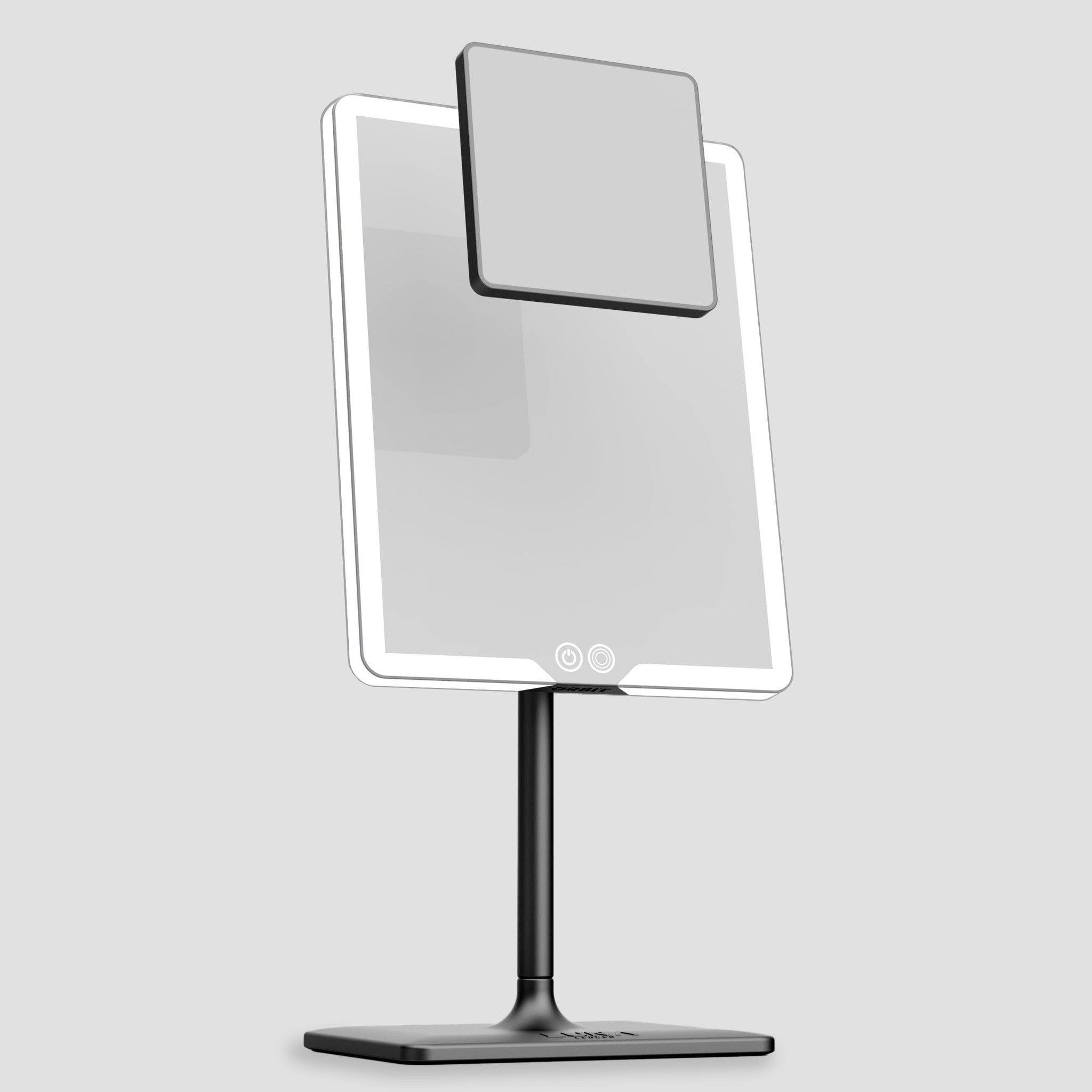
ORBIT gives you a large front-facing view and three LED light modes for checking undertone, coverage and finish at home. Use the full mirror for the base, then the 7x attachment only for small details.
| Best for | Seeing whether tint, moisturiser or foundation is even across the face, jaw and hairline. |
| Why it helps | A stable, front-facing setup gives more consistent feedback than one overhead bathroom bulb. |
| Use 7x for | Small blending edges only. Judge overall coverage in the main mirror. |
What should you buy for your skin type?
Skin type matters, but it does not assign you a compulsory category. Finish and formula are more useful than rules such as “dry skin needs tint”.

Three buying mistakes that waste money
1. Choosing by coverage alone
A sheer product that becomes shiny, patchy or uncomfortable after two hours is not automatically a better everyday choice. Wear it for a full day if a sample is available. Check the nose, chin, jaw and any area where skincare or natural oils usually disrupt makeup.
2. Treating SPF in makeup as your full sunscreen
Some tints include SPF, but your usual makeup amount may not provide adequate protection. Cancer Research UK's 2026 guidance says makeup or moisturiser with SPF is not enough on its own because people generally apply too little and do not reapply it. Use a separate sunscreen when needed.
3. Testing the shade in flattering light
Warm shop or bathroom lighting can make a base look smoother and more harmonious than it does outside. Apply a small amount along the lower cheek and jaw, let it settle, then check it in natural or daylight-style light. LUNA's guide to warm, cool and natural makeup lighting explains which setting helps at each stage.
⚡ PRO INSIGHT: Let a new base sit for 10 to 15 minutes before judging the shade. The immediate wet colour is not always the colour or finish you will wear for the rest of the day.
For more reliable comparisons
Once you choose the base, see what you have actually applied
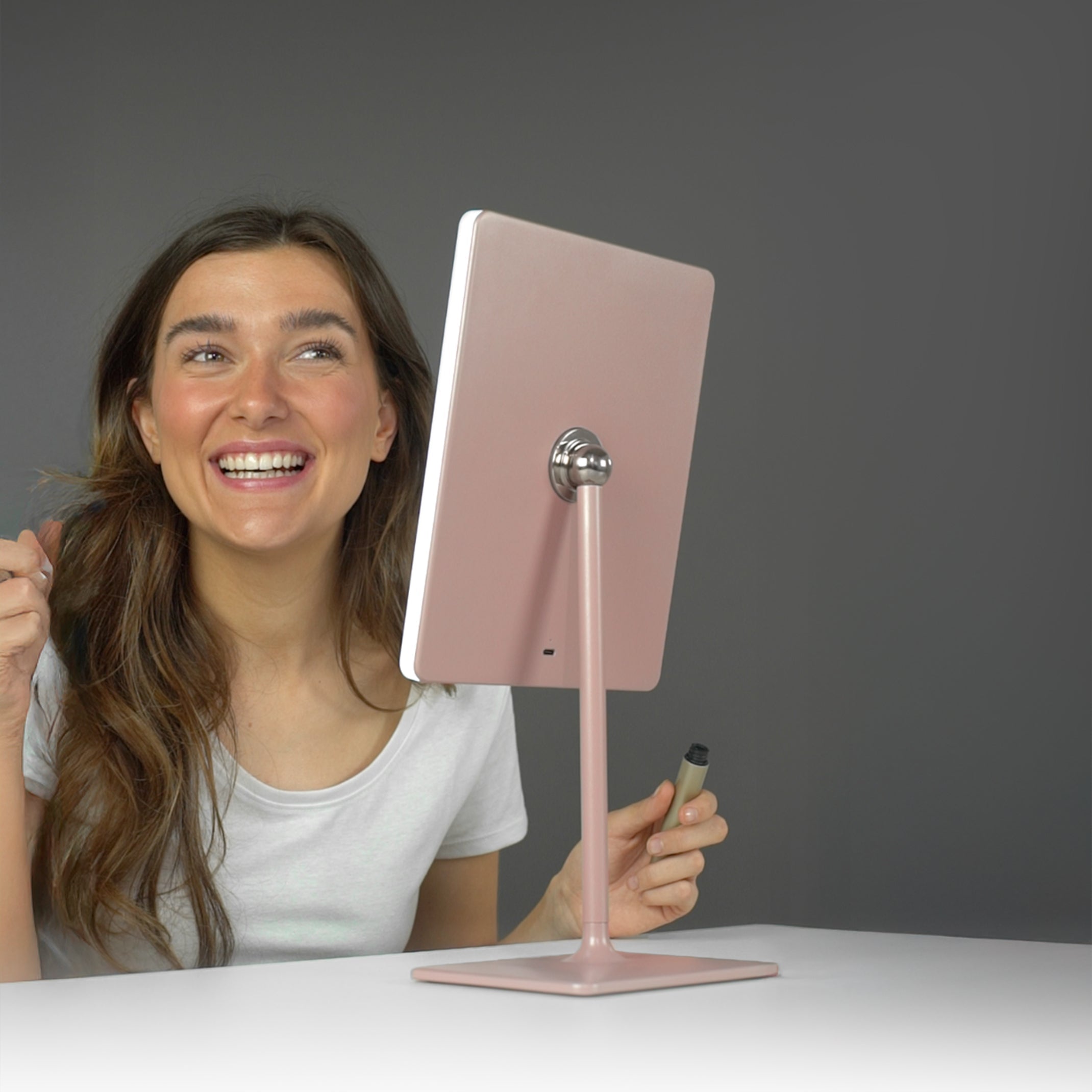
ORBIT helps you compare a tint and foundation in the same position, at the same distance and under three light modes. That consistency makes it easier to spot excess coverage, uneven edges and a shade that only works in one room.
Watch a makeup artist compare skin tint and foundation
For a practical look at how the categories differ on skin, Cult Beauty's lead makeup artist Pia compares skin tints and foundations, including who each format suits and what to expect from the finish.
The simplest way to decide
- Buy a skin tint if you want the lightest visible correction and are comfortable using concealer only where needed.
- Buy a tinted moisturiser if comfort and hydration matter more than disguising everything, and you like a simple daytime base.
- Buy a foundation if you want adjustable coverage, a particular finish or a formula designed for longer wear.
If you are still split, choose for your most frequent day, not your fantasy routine. A tint worn four times a week is a better purchase than foundation reserved for an event that never arrives. Conversely, three sheer bases make little sense if you repeatedly add concealer across most of your face.
Whichever category wins, apply less than you think, step back from the mirror and inspect the result in honest light. If your base often looks fine at home but wrong elsewhere, the issue may be the feedback rather than the formula. Our guide to makeup mistakes under bad lighting shows where over-application usually begins.
Final base check
Buy the coverage you need, then stop the room from changing your mind
ORBIT gives you a stable full-face view for foundation, tint and concealer decisions, with 7x magnification available only when a small blending edge needs closer attention.
“I am really impressed with this mirror and have never quite seen anything like it. It gets a well deserved 5* stars from me.”
Quick tracked delivery available in:
 USA
USA
 UK
UK
 EU
EU
FAQs
Is skin tint the same as tinted moisturiser?
Not exactly, but the categories overlap. Skin tint is usually more fluid and focused on sheer colour, while tinted moisturiser usually emphasises hydration and comfort. Always check the stated coverage, finish and ingredients because brands use the labels differently.
Is skin tint better than foundation for everyday wear?
It is better only if sheer coverage matches what you want. Foundation may be the more practical everyday purchase if you need buildable coverage, longer wear or a specific finish. A light layer of foundation can still look natural.
Can tinted moisturiser replace foundation, moisturiser and sunscreen?
It can replace foundation when light coverage is enough, and some people find it moisturising enough for their skin. It should not be treated as your only sun protection. Apply a separate sunscreen when needed and follow the product's directions for amount and reapplication.
Related links
- Warm, Cool or Natural Light for Makeup?
- Makeup Mistakes Under Bad Lighting
- ORBIT Phantom Black
- Explore the LUNA London beauty journal


Leave a comment
This site is protected by hCaptcha and the hCaptcha Privacy Policy and Terms of Service apply.