
Last updated: 7 June 2026
Why Makeup Looks Different in the Car Mirror, and How to Fix It
The Car Mirror Makeup Check: Why It Feels So Brutal
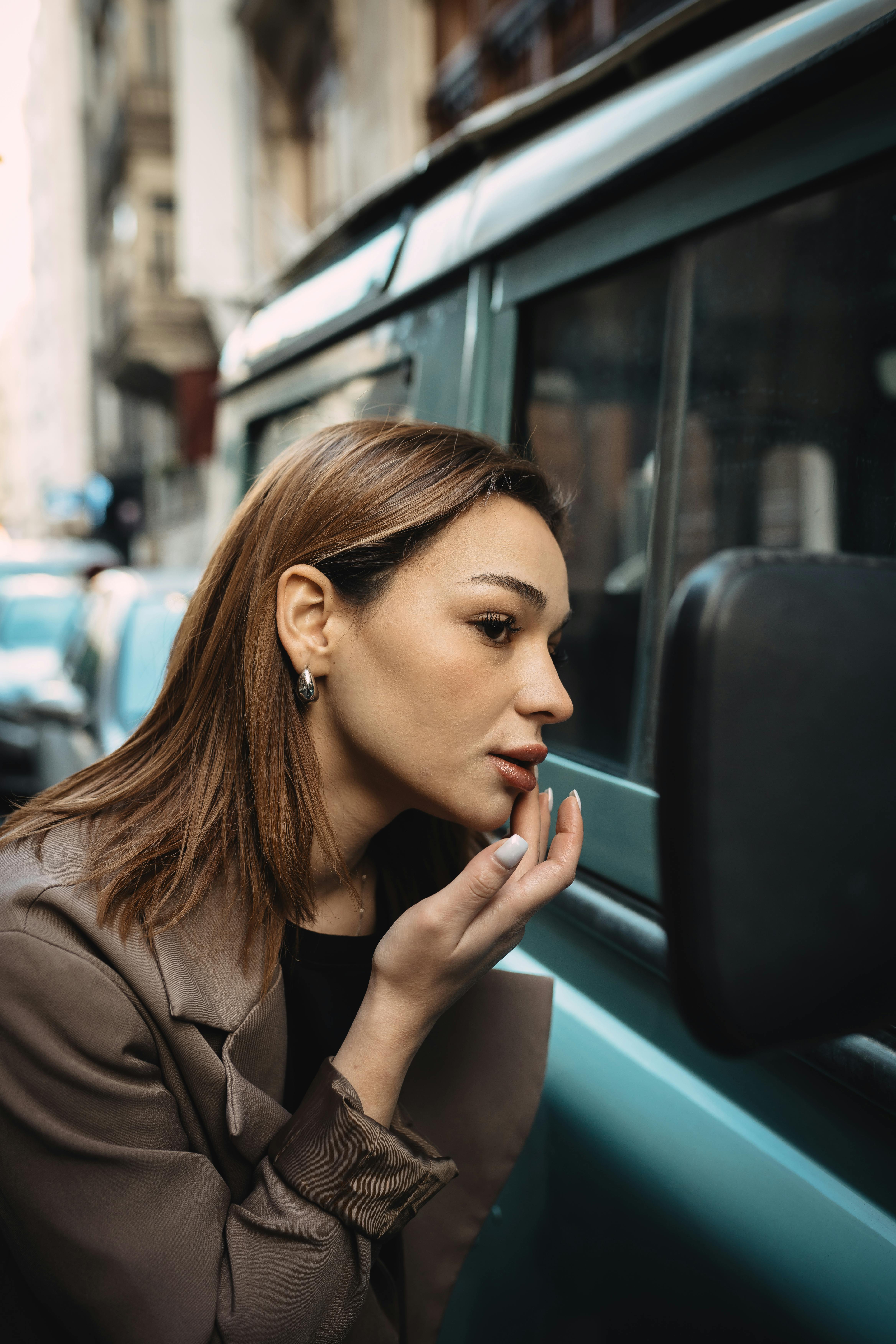
The car mirror has a reputation for being rude. Foundation that looked smooth in the bathroom suddenly looks heavy. Blusher looks louder. Bronzer pulls orange. Concealer seems to sit in every line. It is tempting to blame the foundation, the brush, your skin, the weather, or the general audacity of daylight.
But the car mirror is not magic. It is simply a different visual test. You have moved from indoor light, often warm, dim or overhead, into a brighter mixed-light environment with daylight bouncing through glass, dark upholstery beneath your face and a small mirror at an unforgiving angle.
That is why this topic deserves its own article. It is related to why indoor makeup looks different outside, but it is not identical. The car mirror adds its own little chaos: glass tint, side light, dashboard shadows, compact mirror distance and a habit of checking your face when makeup has already settled.
In a hurry? Here is the real answer
- Your car mirror is usually showing daylight plus side light, which reveals undertone and blending edges more clearly.
- Warm bathroom bulbs can make foundation look softer and more flattering than it will in daylight.
- Overhead bathroom light creates shadows, so you may over-apply concealer, powder or bronzer without realising.
- Car interiors often add contrast: dark seats, reflected glass and side windows can make texture appear sharper.
- The fix is not “do your makeup in the car”. The fix is to recreate a more honest light check indoors before you leave.
Why the car mirror changes your makeup
Makeup is visual feedback. If the feedback is wrong, the application follows it. That is the quiet reason so many base problems happen. You are not always applying badly. You are applying for one room, then viewing the result in another world.
The U.S. Department of Energy explains that colour fidelity can be measured using CRI, and newer colour-rendering systems such as TM-30 give more detail on how light sources affect colour appearance. In plain English: two lights can both look “white”, but still show foundation, redness and bronzer differently. You can see the technical version in the DOE’s LED lighting guidance and the Illuminating Engineering Society’s overview of TM-30 colour rendition.
⚡ PRO INSIGHT: If your foundation looks fine at home but orange in the car, pause before buying another shade. First test the same foundation under a neutral or daylight-style light with the light in front of your face, not above it.
The four car mirror problems, decoded
Why daylight is the real “truth test”
Daylight is not always flattering, but it is revealing. It is broad, bright and less forgiving than many indoor fittings. That is helpful when you want to know whether foundation actually matches your neck, whether powder has collected around the nose or whether blush edges are blended properly.
The issue is that most people do the important application work in bathrooms or bedrooms with compromised lighting. If the room is too warm, base can look softer and more golden. If the room is too cool, skin can look grey or flat. If the light comes from above, it creates shadows under the eyes and around the nose, which pushes you to add more concealer or powder than you need.
This is why the best advice is not “use natural light whenever possible” and leave it there. That is a bit lazy. Natural light is useful, but not always available, consistent or practical. A better rule is: use controlled, front-facing, neutral-to-daylight-style light for the main application, then preview your makeup in the kind of light you will actually be seen in.
Confidence before the daylight check
A proper mirror for routines where small details matter
★★★★★
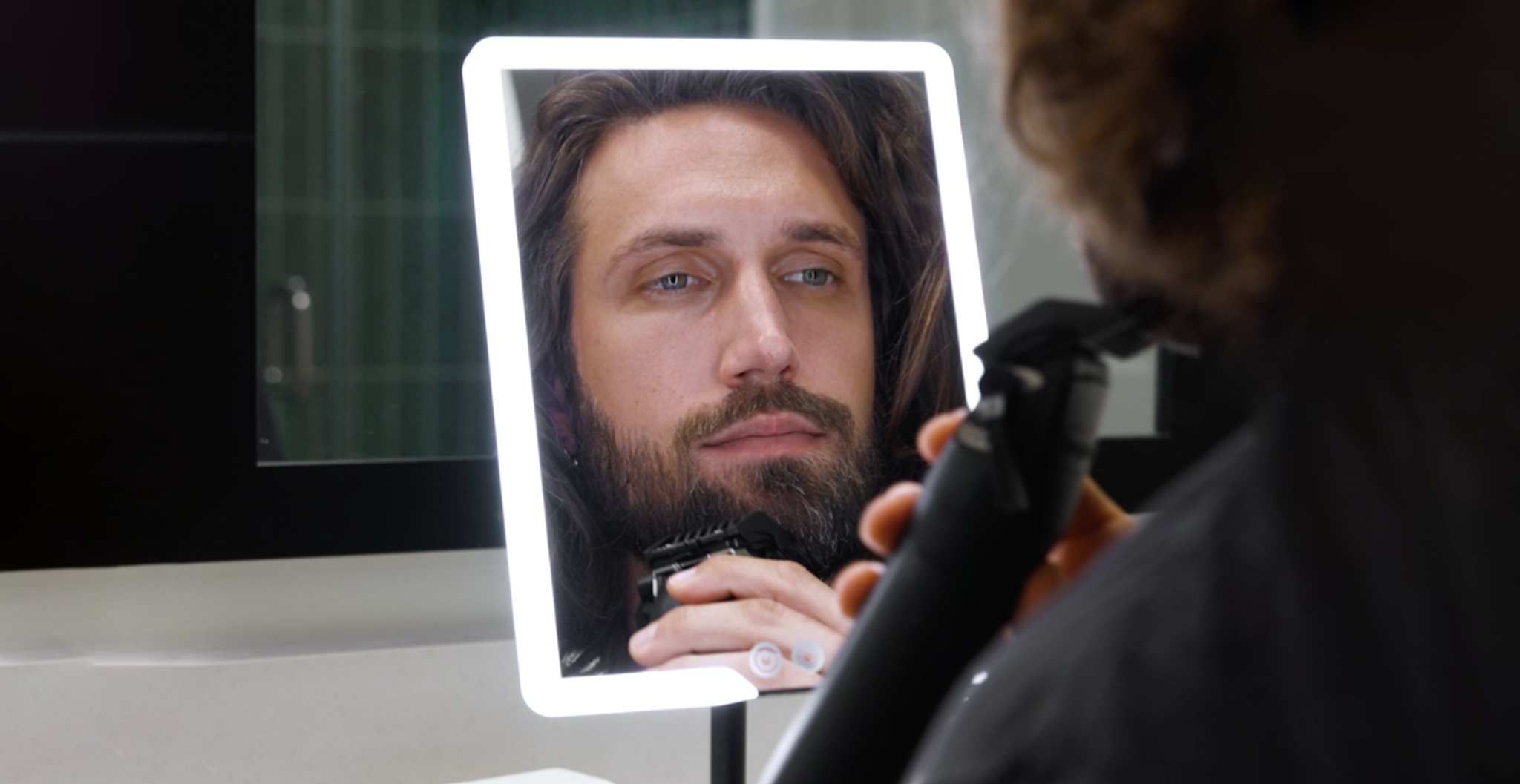
“My hubby likes to use it when shaving as he finds the light really helpful as our bathroom is quite dark.”
LUNA customer review
The car mirror is not always “more accurate”
This is where the advice gets more useful. The car mirror can reveal problems, but it can also exaggerate them. Do not rebuild your whole face because one harsh angle made your pores look louder.
A car interior creates contrast. Dark upholstery under the face can make shadows feel deeper. Side windows create uneven side light. The windshield and side glass can alter brightness and reflections. And if you check your makeup after sitting in a warm car, your base may already have mixed with skin oils or SPF.
There is also a skin point worth remembering: car windows are not the same as shade. The Skin Cancer Foundation notes that glass blocks UVB rays fairly well, but UVA can still pass through, especially through side, back and sunroof windows. Their travel sun protection guidance is a useful reminder that a car is not a UV-free bubble.
“While glass blocks UVB rays pretty well, it doesn’t block UVA rays.”
— Julie Bain, The Skin Cancer Foundation, updated 2024
For makeup, the lesson is similar: the car mirror is useful, but it is one environment. Treat it as a diagnostic check, not a verdict on your entire face.
The 3-minute “before you leave” light check
If the car mirror keeps ambushing you, build a short checkpoint at home. It does not need to become a whole ritual. Three minutes is enough.
1. Apply base in your most neutral light
Use the least yellow, least shadowy light you have. Ideally, your light should land from the front or both sides, not just from the ceiling. If you use a mirror with adjustable light settings, begin with neutral or daylight-style light for foundation and concealer.
2. Step back before adding more product
Most over-application happens close to the mirror. You fix one tiny patch, then another, then another, then suddenly your base is doing admin. Step back after each layer. If the overall face looks balanced, stop chasing tiny texture.
3. Check the jawline and under-eye in a second light
This is the boring step that saves you money. Your jawline catches foundation mismatch first. Your under-eye catches over-correction first. If both still look good in a second light, your car mirror is less likely to stage an intervention.
4. Do the car-mirror fix without adding heavy layers
If you do spot an issue in the car mirror, fix lightly. Press, blend, blot, then stop. Adding more foundation in a car is usually how a small mismatch becomes a visible patch.
⚡ PRO INSIGHT: If the car mirror shows texture, do not instantly powder it. First blot, then press the edge of the texture with a clean sponge or fingertip. Powder only where shine is actually moving the makeup.
What to use for each kind of car mirror problem
For a deeper lighting breakdown, read LUNA’s guide to warm, cool and natural white makeup lighting. If your issue is more about streaks or uneven base, the next logical read is makeup mistakes under bad lighting.
For the touch-up you notice later
Keep the car mirror from being your first honest check
COMPACT 2.0 is useful when the problem happens away from the dressing table: lipstick edges, mascara checks, contact lenses or a quick daylight correction before a meeting. It gives you 1x for the overall check and 7x magnification for close detail.

Which LUNA mirror fits this problem best?
Be careful here. Not every mirror is solving the same problem. The car mirror issue is partly about lighting, partly about close-up control and partly about when you need the check. A stable home setup helps prevent the surprise. A portable mirror helps fix it when you are already out.
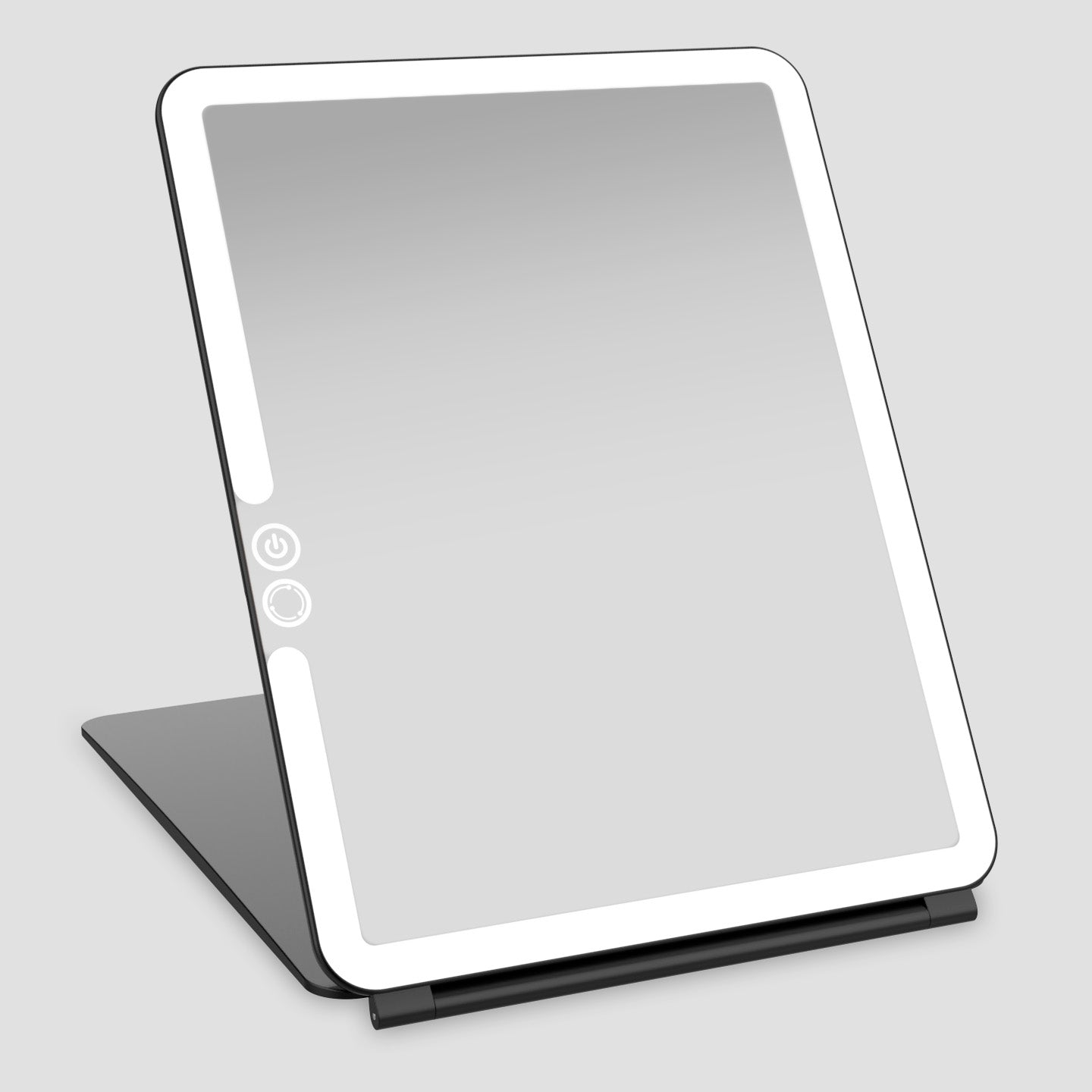
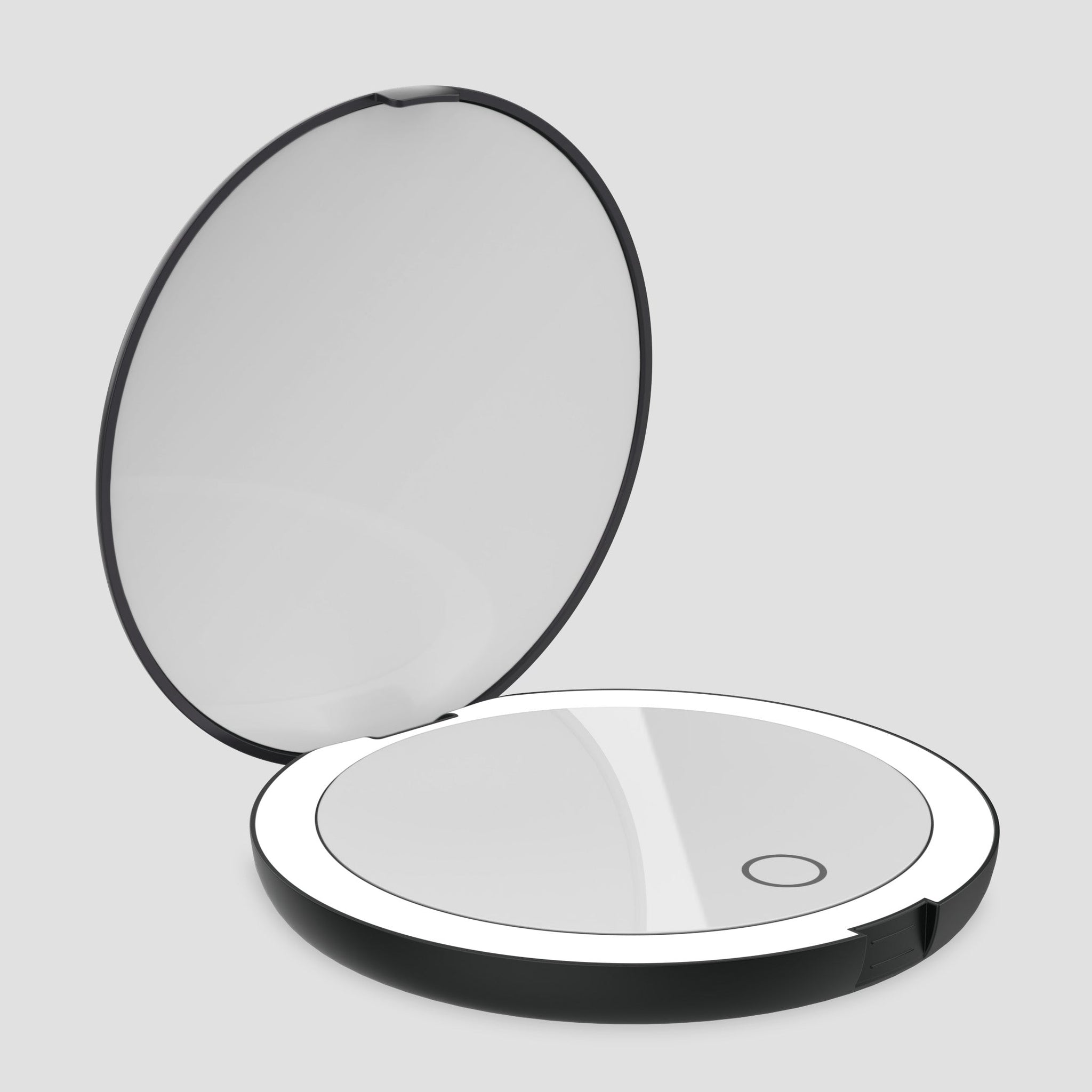
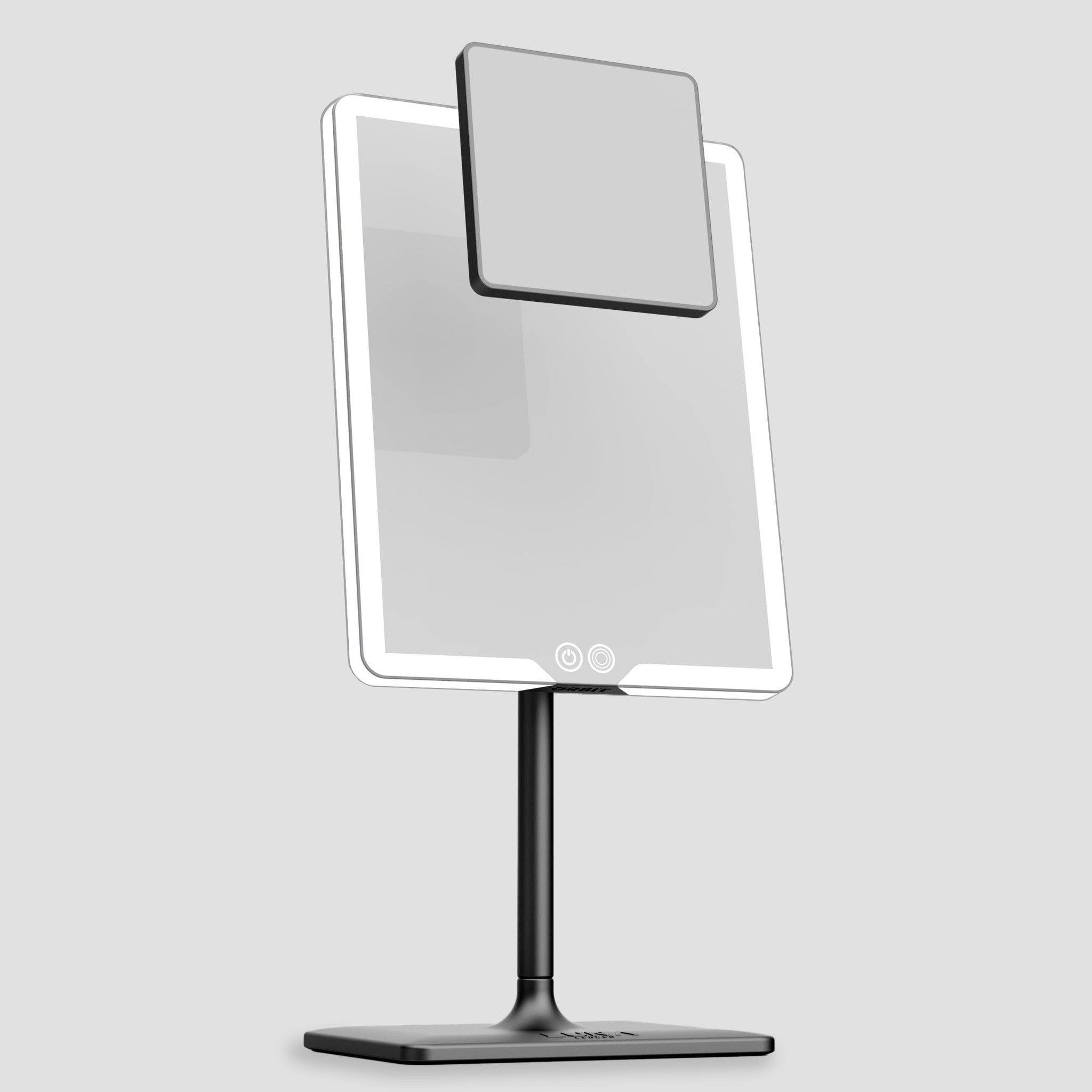
That does not mean you need three mirrors. It means the right choice depends on when the problem appears. If the car mirror is always your first honest check, start with ORBIT at home. If the issue is touch-ups after commuting, meetings or travel, COMPACT 2.0 is the more practical carry option.
Make the daylight check less surprising
If the car mirror keeps catching your base, brows or blending after you leave, the smarter fix is a more honest mirror check before you go. ORBIT gives you a larger lit view, adjustable angles and optional 7x detail for the parts daylight loves to expose.
Use ORBIT for better mirror checks →Quick tracked delivery available in:
 USA
USA
 UK
UK
 EU
EU
FAQs
Why does my makeup look different in the car mirror?
Your makeup looks different in the car mirror because daylight, side light, glass reflection and car interior shadows reveal colour and texture differently from indoor bathroom lighting. Warm or dim indoor light can hide undertone mismatch, patchiness and heavy product until you see your face in brighter, more revealing conditions.
Is the car mirror more accurate than my bathroom mirror?
Not always. The car mirror is useful because it reveals problems bathroom lighting can hide, but it can also exaggerate texture and shadows. Treat it as a second check, not the only truth. The best setup is controlled front-facing light at home, followed by a short daylight-style check before leaving.
How do I stop my foundation looking orange in the car?
Match foundation along the jawline in neutral or daylight-style light, not only under warm bathroom bulbs. Let the base settle for a minute, check your neck and jawline, then avoid adding more bronzer or powder until you have seen the shade in a second light source.
Related links
- Daylight makeup: why indoor light changes your look
- Good lighting for makeup: warm, cool or natural white?
- Bad lighting ruins makeup fast: the easy fixes that help
- Best cosmetic mirror with light: 2026 buyer’s guide
- ORBIT Phantom Black
- COMPACT 2.0 Rose Gold

Leave a comment
This site is protected by hCaptcha and the hCaptcha Privacy Policy and Terms of Service apply.