


Last updated: 4 January 2026
How to read winter skin texture with a LED cosmetic mirror
Skin “texture” gets used as a catch-all online. In real life, it usually comes down to one of three things: dryness sitting on the surface, inflammation underneath, or product layers that are no longer matching your skin’s winter water and oil balance. Winter makes all three more likely.
The point of using a led cosmetic mirror is not to zoom in and spiral. It is to make your lighting consistent so you can spot changes early and adjust gently. If you have ever fixed a base that looks fine in one room but patchy in another, you already know why. (If you want the lighting “why”, this guide on fixing patchy foundation with better lighting is the simplest explanation.)

A 30-second weekly texture check (simple, not obsessive)
| Step | What you are looking for | What to do next |
|---|---|---|
| 1) Clean, bare skin | True texture (not product build-up) | If you only see texture with makeup on, jump to Signal #6. |
| 2) Neutral light, medium brightness | Flaking, tight patches, uneven sheen | Adjust hydration and cleansing before adding new actives. |
| 3) Scan 3 zones | T-zone, cheeks, around mouth | Winter often dries cheeks first, then corners of the mouth. |
Now the signals. The theme you will notice is that winter “texture” is usually a barrier signal, not a cue to scrub harder.
7 winter skin texture signals you should not ignore
| Signal | What it often means | What to try for 7 days | When to escalate |
|---|---|---|---|
| 1) “Micro-flakes” after cleansing | Your cleanser is too stripping, or you are not replacing water fast enough. | Switch to a gentle cleanser. Moisturise on slightly damp skin. | Cracking, stinging, or bleeding patches. |
| 2) Tightness that lasts beyond 10 minutes | Barrier dehydration. Often worse with indoor heating and hot showers. | Shorter, cooler showers. Add a barrier-support moisturiser. Consider a humidifier. | Persistent burning, swelling, or rash. |
| 3) Rough “sandpaper” patches on cheeks | Irritation plus dryness, sometimes sensitivity to actives. | Pause exfoliation for a week. Go simple: cleanse, moisturise, protect. | Itch that wakes you, or patches that spread. |
| 4) Redness with visible “heat” texture | Inflammation from wind exposure, over-exfoliation, or a rosacea tendency. | No hot water, no harsh acids. Introduce soothing products slowly. | Frequent flushing, burning, or visible broken capillaries. |
| 5) “Orange peel” pores that look suddenly worse | Dehydration can make pores look more obvious. Heavy layers can sit on the surface. | Use lighter hydration under moisturiser. Avoid over-layering. | Painful, deep acne or cysts. |
| 6) Makeup grabs and goes patchy (nose/mouth) | Surface dryness, over-powdering, or primer that is too matt for winter. | Prep with moisturiser, powder less, and sanity-check under consistent lighting (see best light settings for makeup). | If the skin underneath is cracked or sore, treat that first. |
| 7) Scaly flakes on scalp or eyebrows | Dryness, or seborrhoeic dermatitis (dandruff-like irritation). | Gentle anti-dandruff shampoo 2 to 3x weekly. Avoid heavy oils on flakes. | Thick plaques, bleeding, or rapid hair shedding. |
What is actually changing in winter (the short version)
Cold air holds less moisture, and indoor heating can drop humidity further. That combination increases water loss from the skin. UW Medicine notes that colder, drier air contributes to increased transepidermal water loss (TEWL), which can make skin dry and itchy. The British Skin Foundation also flags winter as a common trigger period for barrier-related flares and irritation, especially if you already lean dry or sensitive.
“Colder and drier air contributes to increased transepidermal water loss ... making your skin dry, itchy, and flaky.” S. Max Vale, MD (UW Medicine)

How to respond, without overreacting
Most winter texture problems calm down when you do three boring things well: cleanse gently, moisturise properly, and reduce irritation. If your symptoms cross into itchy or scaly patches, public guidance often leans heavily on emollients. The NHS describes emollients as moisturising treatments that soothe and hydrate by trapping moisture in the skin. If you want a more UK-clinical reference, NHS Somerset’s 2024 emollient guidance is also a useful reality check for what counts as “maintenance” versus a diagnosed flare.
1) Cleanse like you are trying not to strip your barrier
- Use lukewarm water, not hot.
- Avoid harsh scrubs and “squeaky clean” finishes.
- If your face feels tight immediately after cleansing, treat that as data.
2) Moisturise with better timing, not necessarily more product
- Apply moisturiser within a couple of minutes of washing your face.
- If you use actives (retinoids/acids), reduce frequency in winter rather than forcing it through irritation.
- For very dry patches, a thin layer of an occlusive on top at night can reduce water loss.
3) Reduce “invisible” irritants
- If your neck or cheeks react to scarves and collars, consider fragrance-free laundry products.
- If you have eczema, cold weather can be a trigger (National Eczema Society has a practical page on weather and eczema).
- Take care with new “trending” ingredients. Winter is not the best time to experiment aggressively.
A quick lighting routine for checking texture (without magnifying stress)
If you own a mirror with adjustable light, use it like a measuring tool. The goal is to avoid “correcting” your face for one harsh light setting, and instead spot changes that matter: new flaking, new redness, or patches that are sore.
| Mirror setting | Best for | What not to do |
|---|---|---|
| Warm light | Everyday base and “real life” softness | Do not judge pores harshly here. Focus on overall evenness. |
| Neutral light | Texture checks, redness, flaking | Do not lean in. Keep a consistent distance week to week. |
| Cooler light | Blend edges and makeup patchiness | Avoid “correcting” your face for this light alone. |

Video: a dermatologist’s barrier-first winter approach
If you want a calm, UK-friendly explanation of why winter texture flares and how to adjust your routine without wrecking your barrier, this short video is a solid starting point. Watch it once, then pick one change to test for a week.
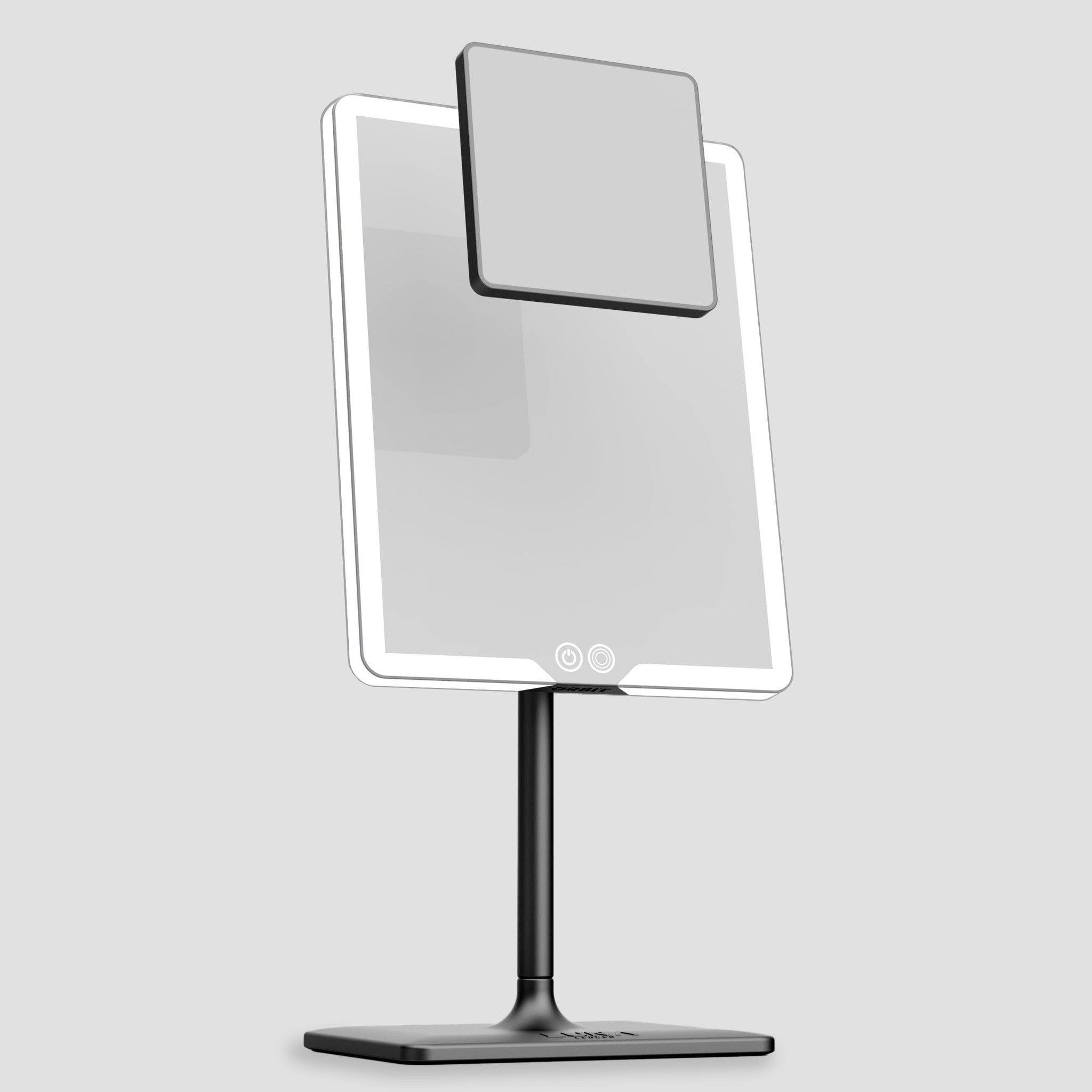
ORBIT and winter texture checks: what to look for
Texture is easiest to read when lighting is even and shadows are controlled. That is why a high-quality led cosmetic mirror can make winter skincare feel less like guesswork. If you are comparing mirrors, focus on consistency and comfort rather than chasing the harshest possible light.
| Feature that matters | Why it helps in winter | Here’s Our Favourite |
|---|---|---|
| Adjustable lighting | Lets you track flaking and redness under consistent conditions. | ORBIT for controlled, face-even illumination. |
| Stable setup (same place each time) | Reduces false alarms caused by different rooms and shadows. | ORBIT for a clean, repeatable weekly check. |
If you want a broader, non-hype breakdown of what actually matters when choosing a lit mirror, our round-up of the best cosmetic light mirrors covers the specs that change what you see.
A steadier winter mirror routine
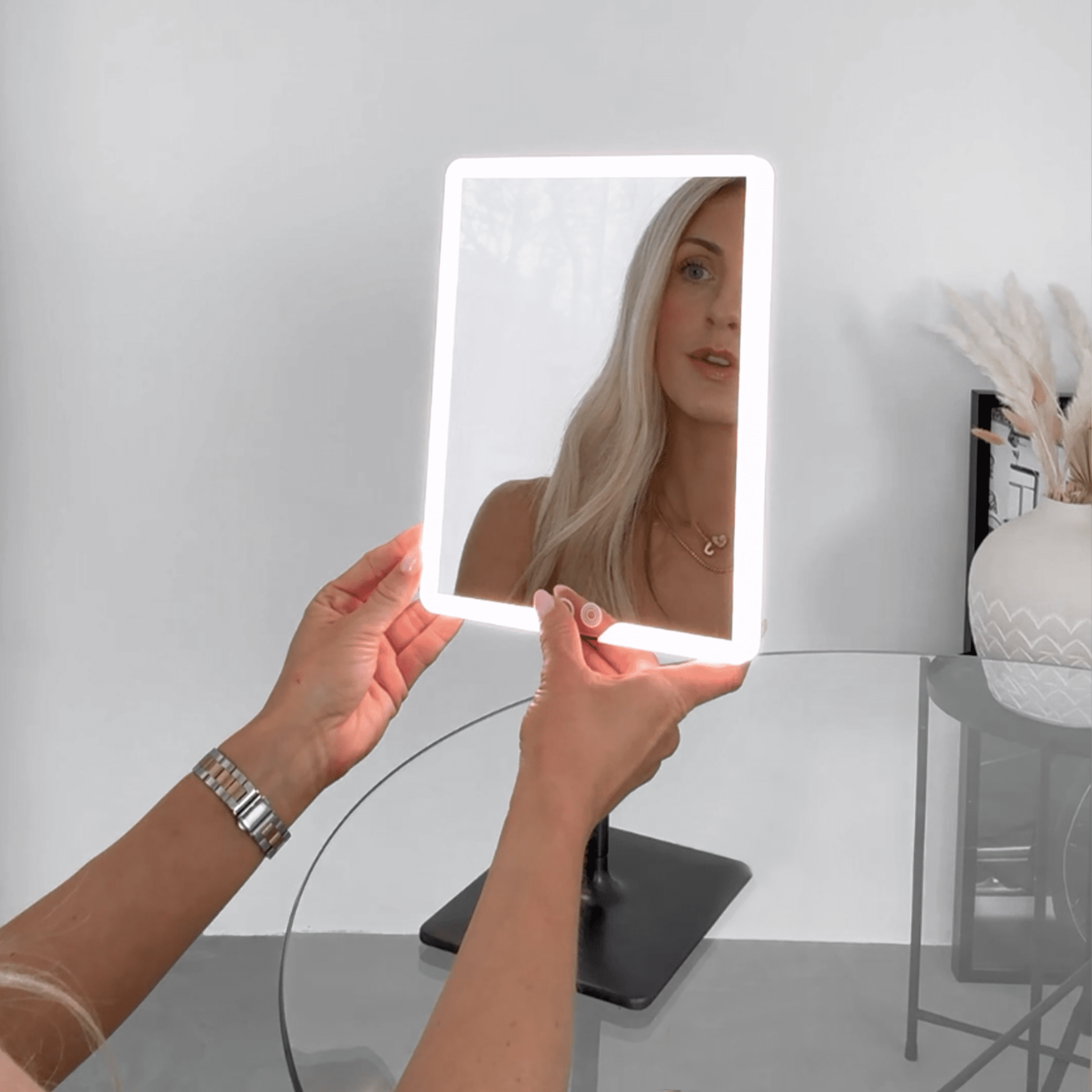
If you want to track winter texture without overcorrecting, ORBIT makes it easier to keep lighting consistent week to week. That consistency helps you spot real changes (dry patches, redness, flaking) before you throw your whole routine at them.
FAQs
Is winter skin texture always a sign of dryness?
Not always. Dryness is common, but winter can also flare inflammation (like eczema or rosacea) and make pores look more obvious through dehydration. If texture comes with burning, persistent redness, or itch, treat it as more than “just dry”.
Should I exfoliate more in winter to fix rough texture?
Usually the opposite. If you are flaking because your barrier is dry or irritated, extra exfoliation can worsen redness and stinging. Try a one-week pause, then reintroduce gently if needed.
What is the quickest change that helps most people?
Moisturising on slightly damp skin, plus avoiding very hot water. Those two changes often reduce tightness and micro-flaking fast, especially when paired with a gentle cleanser.
Related links
- Cold-night winter skin-barrier routine
- Reset for autumn skincare and winter transition
- How to fix patchy foundation with better lighting
- Best light settings for makeup
- Best cosmetic light mirrors 2025

Leave a comment
This site is protected by hCaptcha and the hCaptcha Privacy Policy and Terms of Service apply.