

Last updated: 12 February 2026
Summary: Backstage at London Fashion Week, speed matters, but “speed without accuracy” is how you end up orange in daylight and grey in flash. This guide explains the lighting tech pros rely on (colour temperature, CRI, angle, and consistency), then gives you a repeatable 6-minute backstage-style routine you can use at home with a professional makeup mirror.
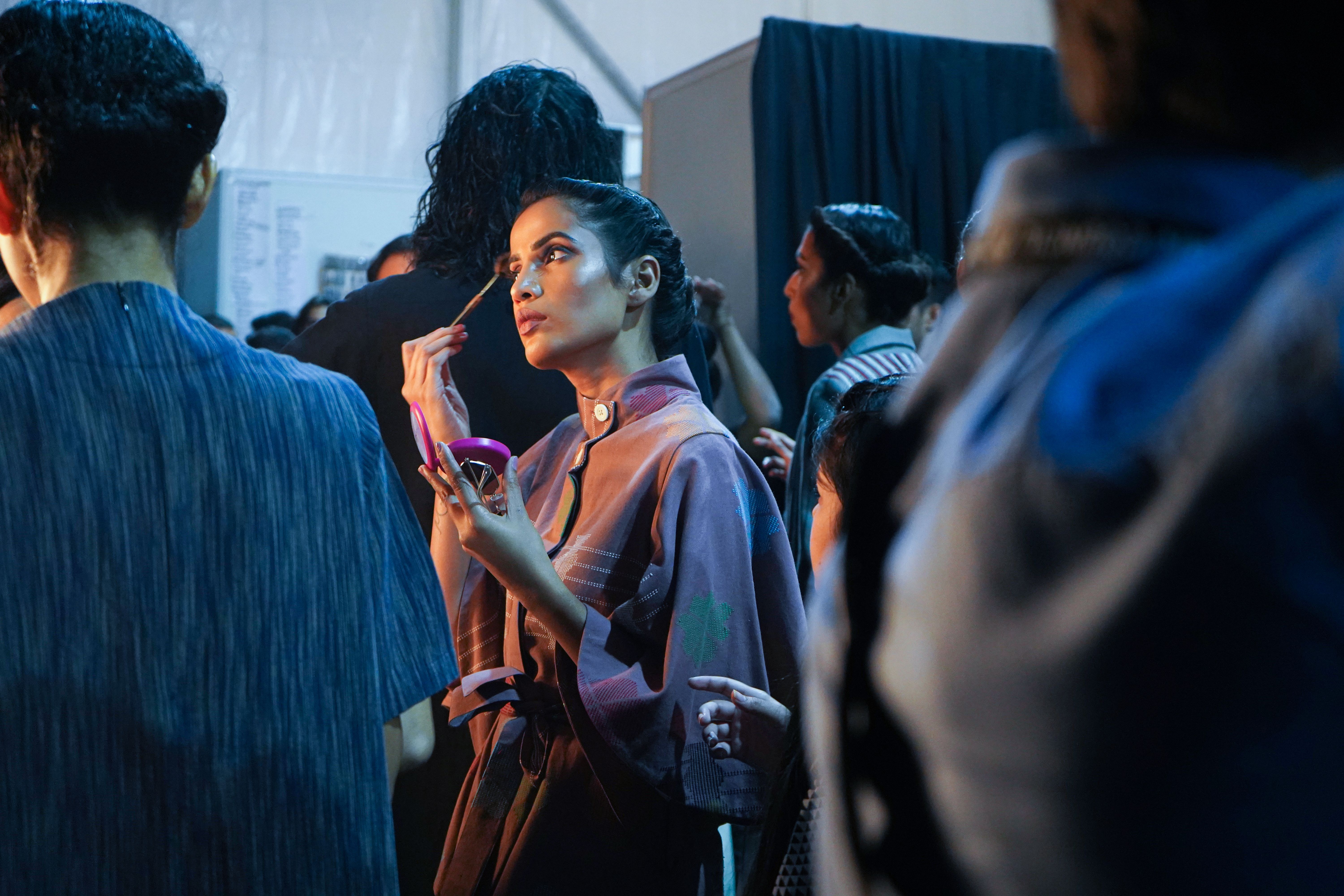
How Backstage Makeup Gets “Camera-Ready” Skin in Minutes
London Fashion Week February 2026 runs from Thursday 19th to Monday 23rd February, which means a familiar backstage reality: tight call times, fast changes, and lighting that can shift from tungsten warmth to harsh LEDs in a single doorway. If you’ve ever looked great at home and then hated your reflection in a car window, you’ve already met the real enemy, inconsistent light.
This is why pros treat lighting like part of the kit, not part of the room. The goal is simple: make colour decisions under a controlled reference light, then sanity-check under the “real world” conditions you’ll actually be seen in. If you want the everyday version of that principle, our guide on makeup mistakes under bad lighting is the best place to start.
⚡ PRO INSIGHT: “Bright” is not the same as “accurate”. Backstage teams prioritise colour fidelity (how true reds, olives, and undertones look) and consistency (the same face looks the same every time you check). That’s the difference between fast decisions and fast mistakes.
If you want the technical language behind this, the Illuminating Engineering Society explains CRI as a common colour-rendering metric, and the CIE publishes the underlying colour-rendering method used across the industry.
IES: Colour Rendering Index (CRI) | CIE: Colour rendering properties of light sources
The 3 lighting variables that decide whether makeup looks “right”
Most lighting advice gets vague quickly, but backstage choices usually boil down to three variables you can actually control: colour temperature (warm vs cool), colour rendering (how faithfully colours show), and angle (where shadows fall). If you want a simple baseline for daily use, bookmark vanity mirror with lights vs ring light, then come back here for the backstage logic.
Backstage lighting cheatsheet (what to use, and why)
| Backstage task | Best lighting goal | Quick setting to try | Common mistake |
|---|---|---|---|
| Foundation match + concealer | True undertone, minimal colour shift | Neutral white or daylight mode | Matching under warm bulbs, then looking orange outside |
| Blush + bronzer placement | Shadow realism (so you don’t overdo it) | Daylight mode + slightly lower brightness | Over-bright light that flattens the face |
| Eyes + liner symmetry | Detail visibility without glare | Neutral white + magnification for checks | Chasing perfection in magnification without stepping back |
| Final “camera-ready” check | Consistency across environments | Switch between warm and daylight quickly | Trusting only one light source |
The backstage workflow you can copy at home (6 minutes)

Backstage routines look effortless because they’re built around repeatable checks, not endless blending. Here’s a stripped-down version that works for everyday life, office lighting, and photos. If skincare sits under your makeup and you’re trying to reduce “false problems”, this pairs well with morning sunlight vs LED skin checks.
| Time | What you do | What you’re checking |
|---|---|---|
| 0:00–1:00 | Set neutral/daylight mode. Even out base in thin layers. | Jawline match, undertone, visible demarcation. |
| 1:00–2:30 | Conceal strategically (inner corner, around nose). Blend outward. | Brightened areas look like skin, not “corrector patches”. |
| 2:30–4:00 | Soft sculpt: blush first, then bronzer lightly. | Symmetry and realism, not dramatic contrast. |
| 4:00–5:00 | Detail check for brows, liner, lipstick edges. | One clean fix, then stop. |
| 5:00–6:00 | Switch to warm mode for 10 seconds, then back to daylight. | If it survives both, it travels well. |
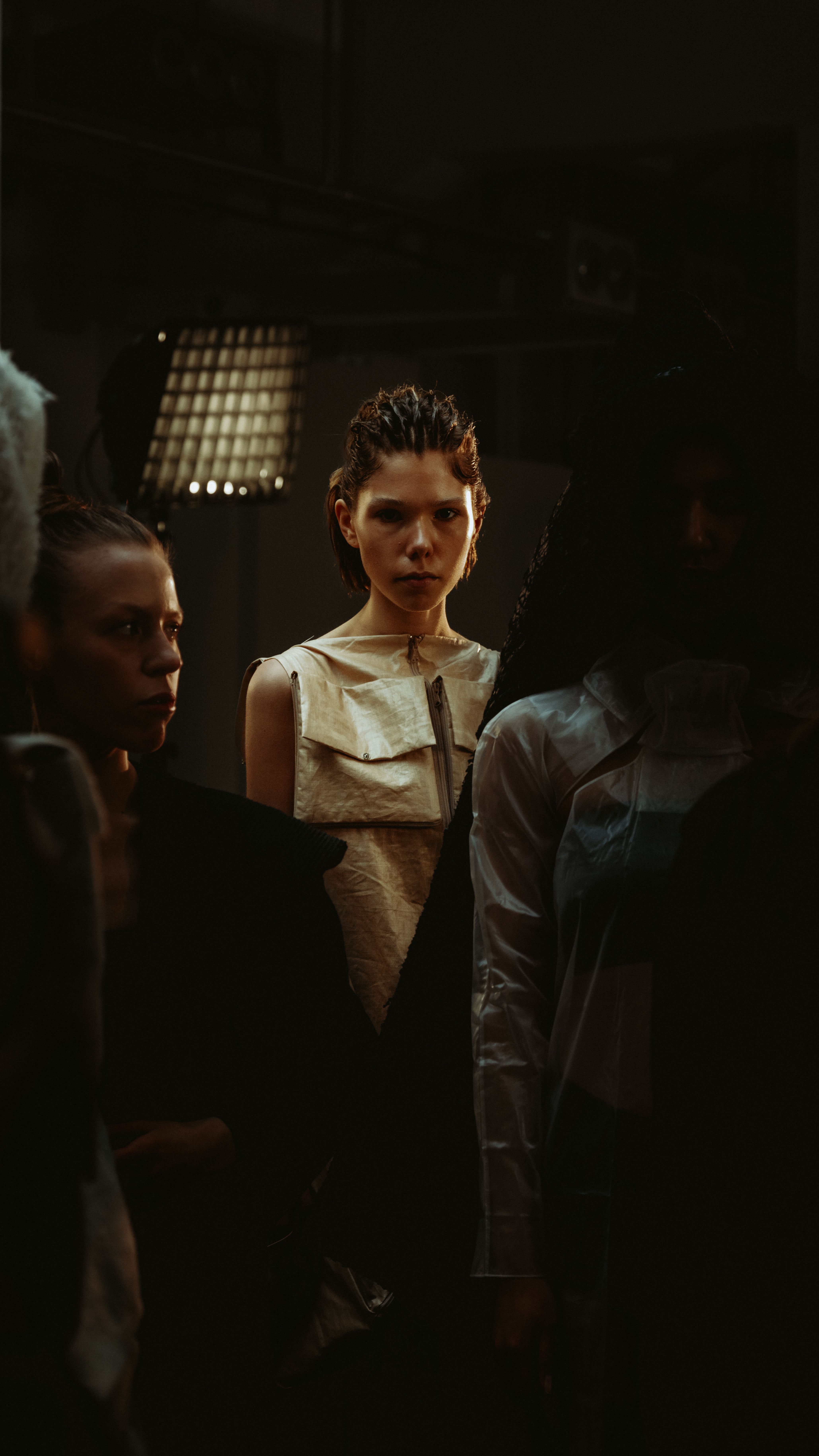
Where the tech actually shows up: accuracy, speed, and repeatability
A professional makeup mirror earns its keep when it reduces re-work. You’re not adding steps, you’re removing uncertainty. The simplest home setup copies backstage logic: face-level light, adjustable modes, hands-free positioning, and a quick way to inspect detail when needed.
Expert quote (backstage reality check)
British Vogue’s London Fashion Week beauty reporting consistently highlights how much of backstage success is controlled prep and fast decisions, not “more makeup”. If you want trend context and artist names from the runway season, see their LFW SS26 backstage beauty roundup. Read the Vogue backstage report →
Mirror setups compared (what each is best at)
| Use case | Best option | Why it works | Here’s Our Favourite |
|---|---|---|---|
| Backstage-style, desk-based routine | Lighted vanity mirror with modes | Face-level light, hands-free, quick mode switching for reality checks. | ORBIT Three lighting modes + dimming, 11" mirror face, 7x magnetic mini mirror for detail checks. |
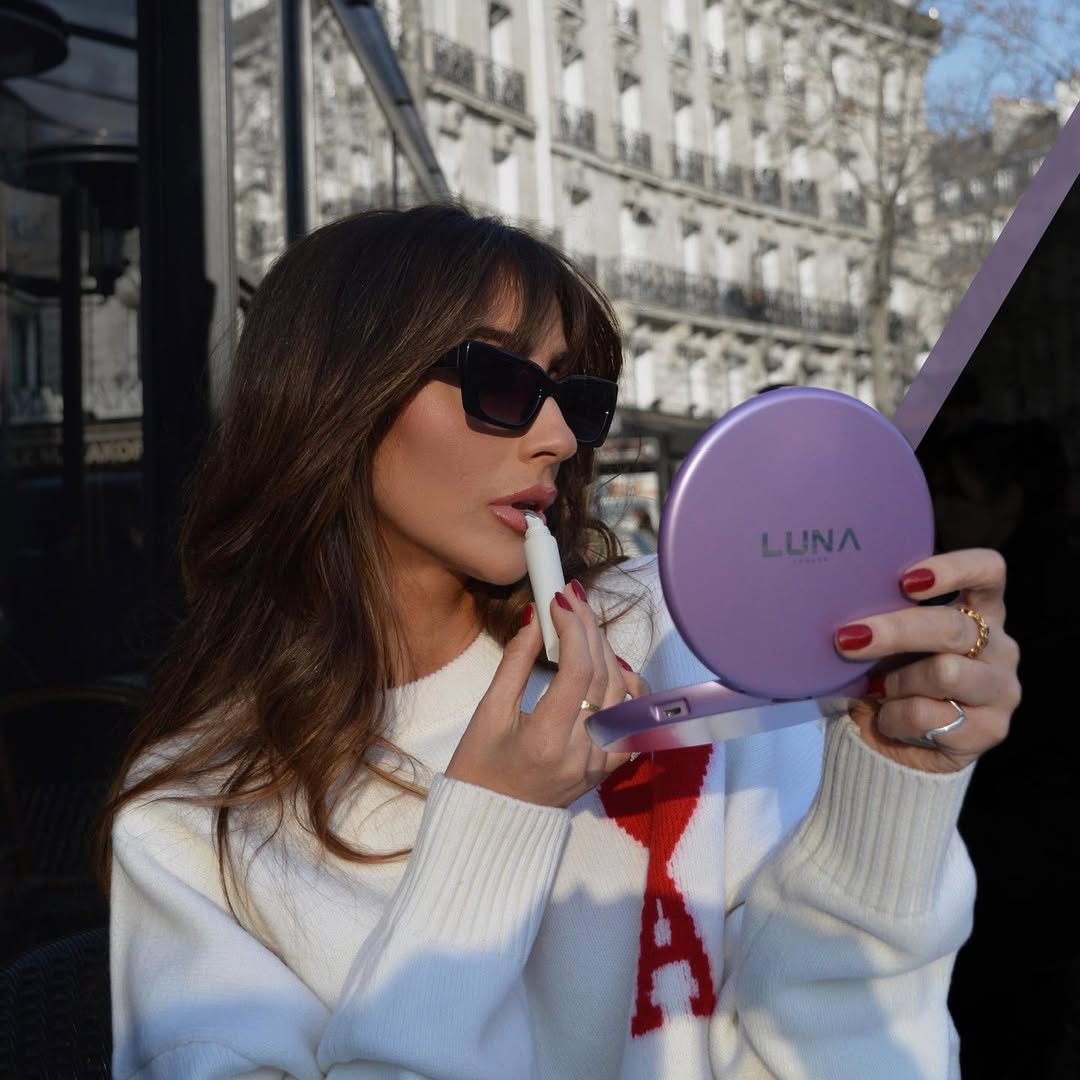
| Travel touch-ups and on-the-go checks | Compact LED mirror | Fast checks anywhere, especially for liner, lipstick edges, and contact lens insertion. | COMPACT 2.0 Portable, with 7x magnification for close precision when you can’t control the room lighting. |
| Quick lighting check without magnification | Slim LED mirror (no zoom) | Simple consistency for general grooming and symmetry checks. | ECLIPSE Clean lighting setup for everyday checks (no magnification). |
If your main issue is that makeup looks different between home, office, and night-time venues, it’s worth reading indoor lighting for natural makeup and then applying the “two-light sanity check” from the table above. For skincare-led routines where lighting drives overcorrection, LED mirror vs natural light is the clean explanation.
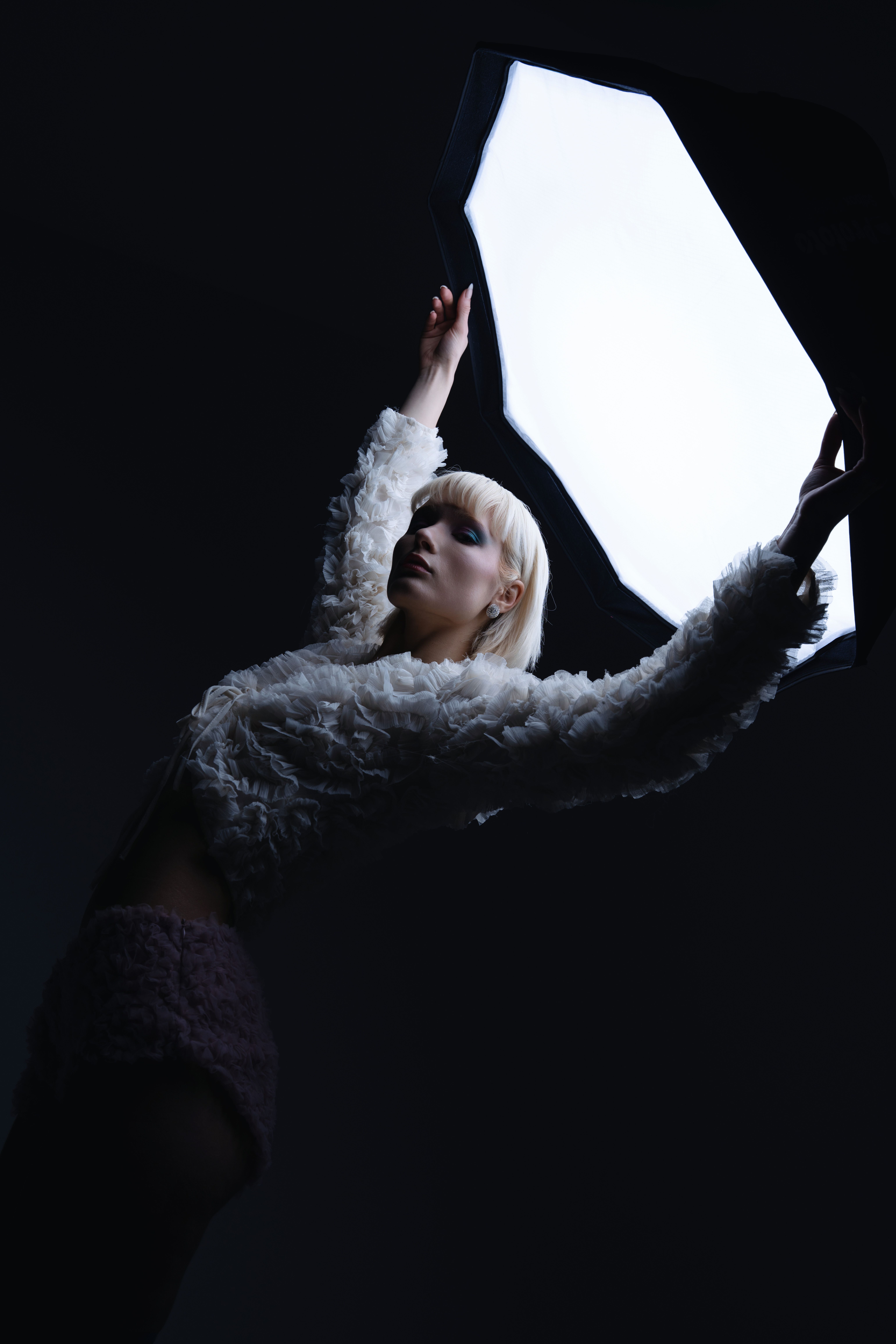
A quick visual: why angle matters as much as brightness
One thing backstage teams do instinctively is keep light close to face level. Overhead-only light creates under-eye and nose shadows that push you into over-concealing. A face-level mirror light helps you correct what’s real, not what the ceiling bulb invents.
Video: the easiest way to see “lighting lies” in action
If you want a fast visual on why lighting changes everything, this video walkthrough is a good companion. Watch for how undertones and texture change as the lighting shifts, even when the makeup doesn’t.
So what’s the “tech” behind the backstage glow?
- Mode switching: quick jumps between warm and daylight to catch tone mistakes early.
- Dimming control: lower brightness can reveal texture and blending edges more honestly than full blast.
- Magnification for checks, not decisions: use 7x for eyeliner and brow detail, then step back to judge the face as a whole.
- Stable positioning: if your mirror angle changes constantly, your shadows change constantly, and your “fixes” become random.
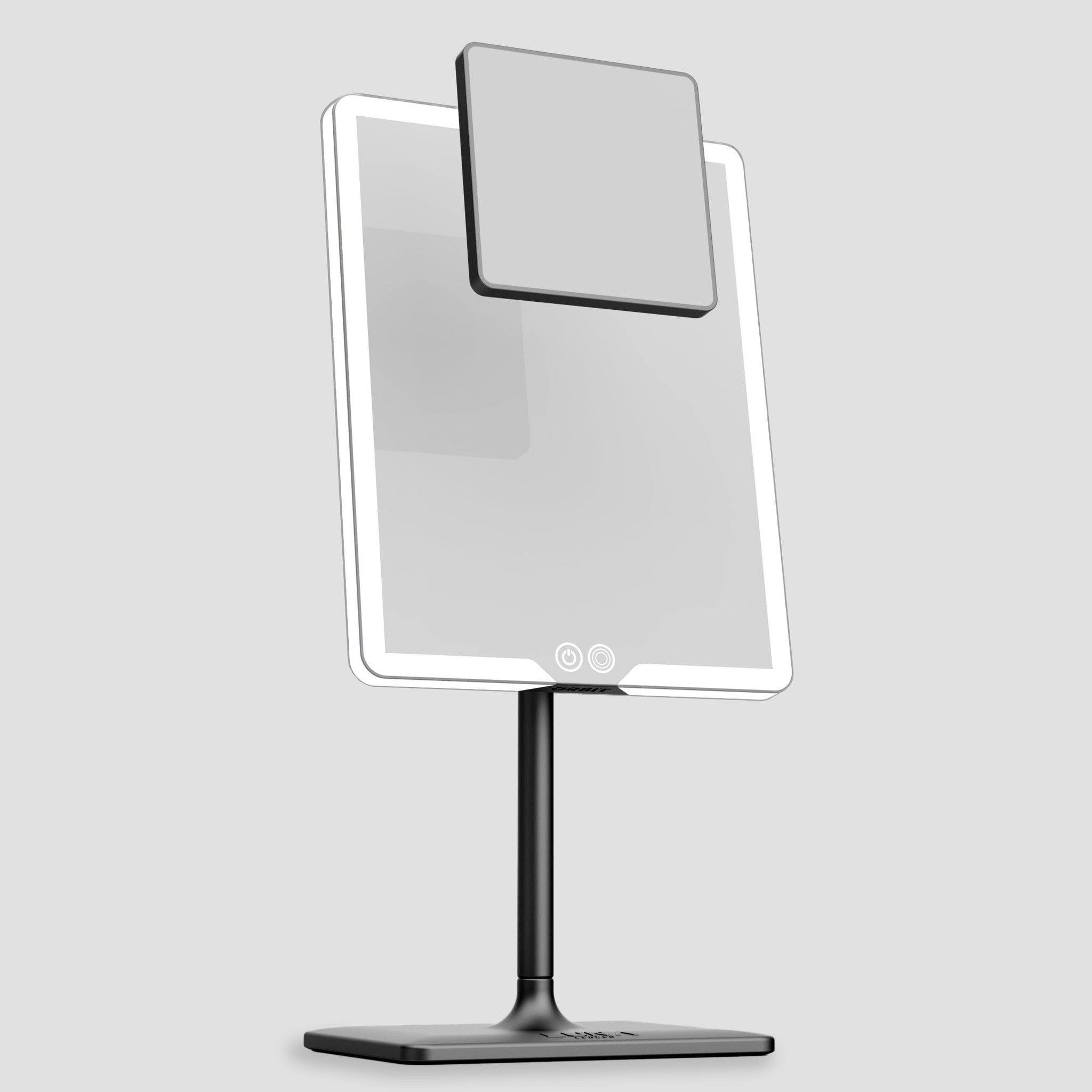
This is the logic behind ORBIT as a professional makeup mirror option: three lighting modes (daylight, neutral white, warm), adjustable brightness, a large 11" mirror face for full-face work, and a detachable 7x mini mirror for precision checks. The point isn’t luxury. It’s repeatability.
The backstage-style setup, without the backstage chaos
ORBIT gives you the fast switching that makes runway makeup reliable: daylight, neutral white, and warm modes, plus dimming and a detachable 7x mini mirror for detail checks. If you want one mirror that helps your makeup look consistent in daylight, indoor lighting, and photos, this is the simplest “pro logic” upgrade.
FAQs
When is London Fashion Week February 2026?
London Fashion Week February 2026 runs from Thursday 19th to Monday 23rd February 2026. If you’re planning content, check the official schedule because show times and formats can change.
What colour temperature is best for makeup?
Neutral white and daylight-style settings are usually best for foundation and concealer decisions because they reveal undertones more clearly. Warm light can be useful for a final “evening vibe” check, but it’s risky as your only reference.
What does CRI mean in makeup lighting?
CRI (colour rendering index) is a common way to describe how faithfully a light source shows colours compared with a reference. In makeup terms, higher colour fidelity usually means fewer surprises when you step into different environments.
Do makeup artists use magnifying mirrors backstage?
They’ll use magnification for quick precision checks (liner, brows, lash glue, contact lenses), but they do most “does this work on the face?” decisions at normal viewing distance. Magnification is a tool, not a judge.
Is a ring light better than a professional makeup mirror?
A ring light can look great on camera because it fills shadows, but that can hide edges and texture while you’re applying makeup. For day-to-day accuracy, a lighted mirror is usually more reliable, and many content creators use both.
Related links
- 5 makeup mistakes people make under bad lighting
- Vanity mirror with lights vs ring light: which is better?
- Indoor lighting for natural makeup
- How to fix patchy foundation (lighting-first approach)
- Morning sunlight vs LED: which is better for skin checks?
- LED mirror vs natural light: best for skincare routines


Leave a comment
This site is protected by hCaptcha and the hCaptcha Privacy Policy and Terms of Service apply.