

Last updated: 15 February 2026
Summary: Winter skin changes how makeup sits. This tutorial focuses on skin prep first, then uses minimal product, thin layers, and a simple natural light check so your “no-makeup” makeup still looks like skin, not texture.
In a hurry? TL;DR:
- Prep like skincare: cleanse gently, moisturise properly, protect with SPF.
- Use less base than you think, and keep it targeted (centre-face only).
- Prefer cream formulas and set only where you crease.
- Do one final check in natural daylight (or daylight-style lighting) before you leave.
How to get a clean girl winter glow without a heavy base
“No-makeup” makeup is a bit of a lie. The goal is not zero product, it’s zero obvious product. Winter makes that harder because skin is more likely to feel dry, look dull, and show texture once you add pigment. If your base keeps separating, clinging, or turning flat by midday, it’s usually not a foundation problem. It’s a prep, layering, and lighting problem.
This guide is deliberately simple. It assumes you want your skin to look like skin, you want a believable glow, and you do not want to spend 40 minutes correcting what the first 10 minutes caused. If you want a deeper dive on why makeup looks different under different bulbs, read makeup mistakes under bad lighting and keep it in your back pocket for the next “why do I look grey in the office” moment.
Step 1: Fix the winter skin “surface” before you add any pigment

Winter makeup is won or lost on the surface layer. If it’s dehydrated or irritated, base makeup tends to cling, separate, or look overly matte even when the label says “dewy”. Dermatology guidance is consistent on the basics: moisturisers and emollients help reduce water loss and support barrier function. (If you want the clinical language and the “why”, see the explainer on emollients and moisturisers and the British Association of Dermatologists overview on emollient use in skin conditions.)
⚡ PRO INSIGHT: If your makeup is “dry”, you might assume you need more glow products. Often you need fewer products and a better skin film. In winter, add one hydrating layer (moisturiser), then stop. Over-layering can pill and make texture louder.
A winter-friendly prep sequence (fast and realistic)
- Gentle cleanse: avoid squeaky-clean. If your skin feels tight after cleansing, that’s a warning sign.
- Moisturise properly: apply evenly and give it 2–3 minutes to settle before makeup.
- SPF (yes, still): daily protection matters year-round. Cancer Research UK’s guidance includes choosing at least SPF 30 and applying enough product. Sun safety guidance here.
- Spot prime only if needed: use primer on the areas that actually misbehave (typically around nose and smile lines), not everywhere.
“Moisturisers… reduce transepithelial water loss (TEWL) [and] maintenance of skin integrity… and barrier function.”
Dr Libby Whittaker (DermNet; edited by DermNet content team) – source
Step 2: Build a “real skin” base in thin, targeted layers
The clean girl aesthetic is basically targeted correction plus believable warmth. The trick is to keep coverage where you need it (centre of face) and let the perimeter stay light. If you cover everything, winter texture shows up everywhere.
The simplest base formula
- Sheer tint or light foundation: apply only where you need to even tone (usually around nose, chin, and inner cheeks).
- Concealer for specific problems: under-eyes (thin layer), redness around nostrils, and any pinpoint blemishes.
- Set only where you crease: typically under-eyes and sides of the nose. Leave cheek glow alone.
If your base is going cakey by midday, it’s rarely because you need a “more hydrating” foundation. It’s usually too much product, too much powder, or not enough time between layers. For practical fixes, this pairs well with how to prevent cakey makeup (with lighting tips) and how to fix patchy foundation with better lighting.
Step 3: Add warmth and lift (the “alive” part of winter glow)

In winter, faces often look flatter under indoor lighting. The solution is not more shimmer. It’s controlled warmth placed where daylight would naturally hit.
| Feature | What to do | Why it works in winter |
|---|---|---|
| Cream bronzer | Tap onto outer cheek and lightly across temples. Keep it sheer. | Adds warmth without emphasising dryness like heavy powder can. |
| Cream blush | Place slightly higher than usual, then blend back towards hairline. | Gives lift and “circulation” when skin looks dull. |
| Highlight (optional) | Use a balm-like highlight on cheekbone tops only. | Creates glow without glitter catching flakes. |
| Brows + lashes | Brush brows up, add light mascara, avoid thick layers. | Defines the face when the base is intentionally minimal. |
Step 4: The natural light check (the part most people skip)
You can do everything right and still walk outside to discover your base is darker than your neck, your blush is uneven, or your concealer is sitting in lines you did not know you had. That’s why a natural light makeup mirror check matters. It’s not about perfection. It’s about catching the obvious issues before you are already out the door.
Two-minute natural light test
- Stand near a window (not direct harsh sun). Turn your head left and right.
- Check three zones: under-eye creasing, nose area texture, and jawline colour match.
- Blot, don’t pile on: if something looks too shiny, blot first before adding powder.
- Correct with micro-amounts: a pinpoint concealer tap beats another full layer of base.
⚡ PRO INSIGHT: If you never do a lighting check, you end up “fixing” your makeup all day. A two-minute check in daylight (or daylight-style light) is the fastest way to make a minimal routine actually hold up.
If you are regularly surprised by how you look in different environments, the underlying issue is usually lighting mix. Warm bathroom bulbs, cool office fluorescents, and phone flash all tell different stories. If you want the deeper explanation and the practical setup tweaks, see professional makeup lighting at home and keep your routine consistent across seasons.
Follow-along video (optional)
Prefer to watch someone do it in real time, then copy the flow. Lisa Eldridge’s no-makeup look is a strong reference point for light layers and believable finish:
If your winter base still looks patchy after all of this, it’s worth checking whether your skin is signalling dryness or irritation. This companion piece can help you diagnose what you’re seeing day to day: winter skin texture signals.
Troubleshooting: common winter “no-makeup” makeup problems
| What you see | Likely cause | Fast fix |
|---|---|---|
| Base clings to dry patches | Too much base, not enough moisturiser time | Press in a tiny amount of moisturiser, wait 2 minutes, then re-tap only where needed |
| Under-eyes look crepey | Concealer too thick, powder too heavy | Use half the concealer, set only the inner corner, and avoid baking |
| Glow turns greasy by midday | Over-applied balm/highlight, no blot step | Blot first, then add a touch of powder only to the T-zone |
| Makeup looks fine indoors, odd outdoors | No daylight check, colour mismatch | Do the two-minute natural light check before leaving |
If you rely on magnification for detail work (brows, contact lenses, tiny concealer taps), you might also like: when 7x magnification helps and how to use it. It’s not required for the look, but it can make precision faster.
Final step: lock it in without killing the glow
- Use setting spray lightly if you want longevity, but do not drench the face.
- Powder with restraint, and only where you genuinely crease or shine.
- Keep a balm and blotting option instead of adding more base later.
If you want a broader comparison of what lighting styles are most flattering for everyday makeup, see our guide to best cosmetic light mirrors (2025 buyer’s guide). It’s designed to help you pick lighting that matches real life, not just a single bathroom bulb.
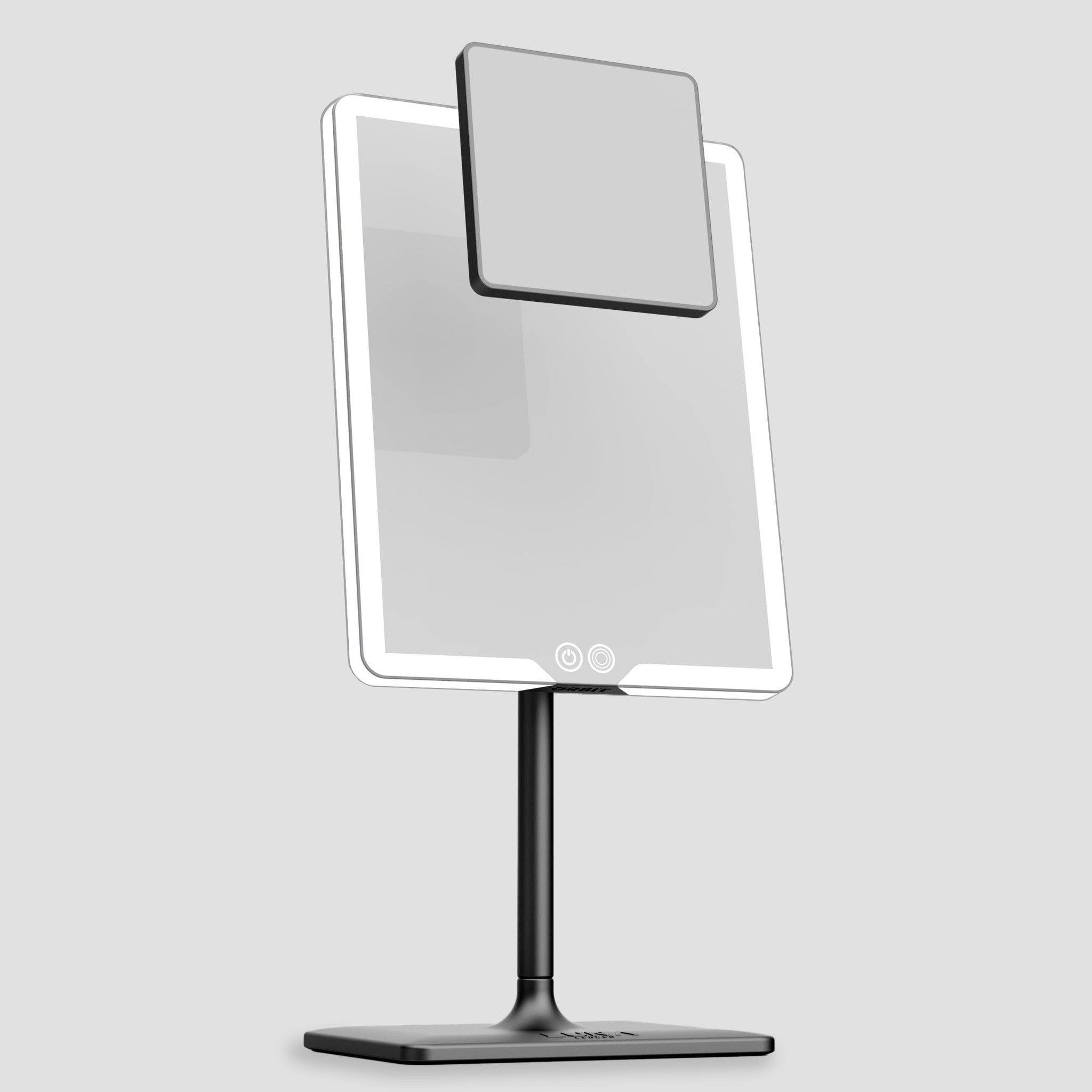
A quick daylight check, even when winter light disappears early
If you like the “no-makeup” finish, the last thing you want is harsh lighting that makes you over-correct. A daylight-style mirror setup can help you keep layers thin and targeted, then sanity-check the result before you leave.
FAQs
How do I stop winter makeup looking patchy?
Start with a gentler cleanse, moisturise and let it settle, then apply base in thin layers only where you need it. Patchiness usually comes from too much product sitting on a dry surface.
Do I need powder for a no-makeup makeup look?
Only in small zones where you crease or shine. In winter, over-powdering can make skin look flat and emphasise texture.
What’s the best order: skincare, SPF, primer, makeup?
Skincare first, then SPF, then primer only where you truly need it, then makeup. Give each layer a minute or two to settle so it doesn’t pill.
Why does my makeup look fine at home but weird at work?
Different bulbs change how colour and texture show up. A quick check in natural daylight (or daylight-style lighting) helps catch mismatched base and over-applied product before you leave.
Can I still wear SPF under makeup in winter?
Yes. Daily protection is recommended year-round, and it can sit well under makeup if you let it set before applying base. Choose a formula you will actually wear consistently.
How can I keep the glow without getting greasy?
Use a lighter hand with balm products, blot first before adding powder, and keep shine control focused on the T-zone rather than the whole face.
Related links
- How to fix patchy foundation with better lighting
- How to prevent cakey makeup (lighting tips)
- Professional makeup lighting at home
- Makeup mistakes under bad lighting
- Winter skin texture signals to watch for
- Best cosmetic light mirrors (2025 buyer’s guide)
- British Association of Dermatologists: emollient use
- Cancer Research UK: sun safety basics



Leave a comment
This site is protected by hCaptcha and the hCaptcha Privacy Policy and Terms of Service apply.