

Last updated: 14 February 2026
Summary: A “skincare detox” works best as a weekly reset, not a total reset. Keep the basics (gentle cleanse, moisturise, sunscreen), pause the extras for 48 hours, clean the things that touch your face, and set up a routine you can repeat without thinking. This guide gives a Friday–Sunday plan, a 10-minute daily baseline, and practical hygiene hacks to reduce irritation and breakouts.
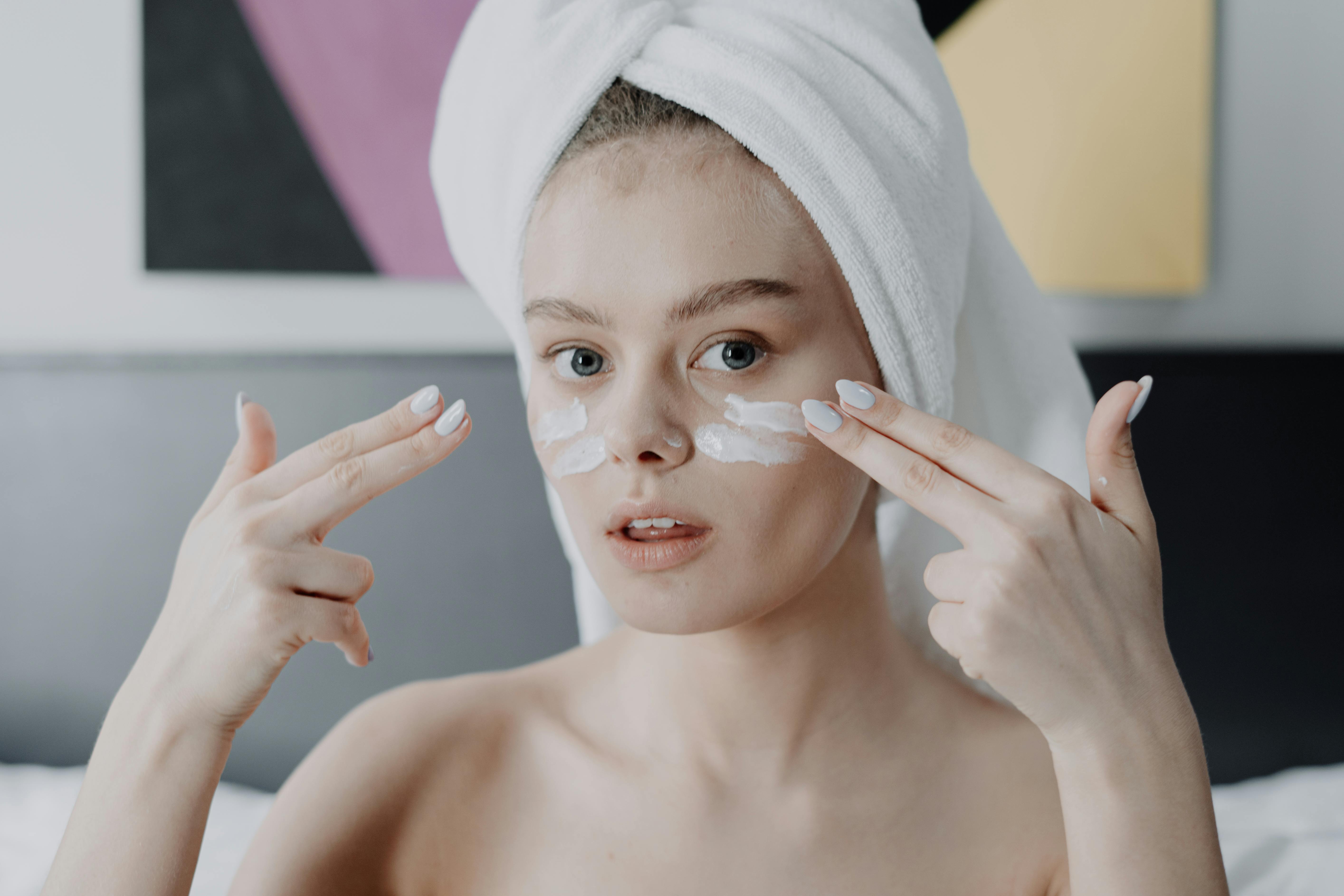
Your Weekly Skin Reset, Without the Detox Hype
The word detox is doing a lot of work in skincare marketing. Your skin isn’t quietly storing “toxins” waiting for a mask to pull them out. What most people actually need is a reset: fewer irritants, cleaner tools, less friction, and a calmer barrier. If your skin has felt dry, bumpy, reactive, or you’re stuck in the loop of adding products and getting worse, a weekly reset is a high-leverage habit.
The goal is simple: reduce common triggers (over-cleansing, over-exfoliation, dirty brushes, harsh actives), then rebuild a routine that’s boring in the best way. For baseline rules, the American Academy of Dermatology’s face-washing guidance is a solid anchor if you’re prone to dryness or irritation: how to wash your face gently.
In a hurry? Your 60-second weekend detox checklist
- Pause the “extras” for 48 hours: scrubs, multiple acids, new actives, heavily fragranced products.
- Keep the basics: gentle cleanser, moisturiser, sunscreen.
- Swap and wash: pillowcase, face towel, reusable pads.
- Clean tools: makeup brushes, sponge, razor/trimmer head.
- Wipe touchpoints: phone screen, water bottle mouthpiece.
- Choose one treat step: hydrating mask or short clay mask or very gentle exfoliation (only if not irritated).
Before you start: the 3 rules that make this work
- Keep the basics, pause the extras. If you’re using multiple actives (retinoids, exfoliating acids), take 48 hours off to calm things down.
- Clean what touches your face. Pillowcases, towels, phone screens, makeup brushes, razors, and water bottles matter more than most “detox” products.
- Make it measurable. Pick one visible win to track weekly: less stinging after cleansing, fewer dry patches, fewer new breakouts, makeup sitting better, or reduced redness.
⚡ PRO INSIGHT: If your skin “needs more exfoliation” every week, it often means the barrier is struggling. Over-exfoliation can create dryness and sensitivity that looks like texture, which then tempts you to exfoliate again. The reset is going gentler for a week, not harsher.
The 10-minute daily baseline (use this all week)
This is your default. If you only do one thing consistently, do this.
Morning (3–4 minutes)
- Cleanse lightly. If you’re oily, use a gentle cleanser. If you’re dry or reactive, a water rinse can be enough on some mornings.
- Moisturise. One layer, not five. Apply while skin is slightly damp if that suits you.
- Sunscreen. Daily, even when it’s cloudy. For a practical, UK-friendly baseline on sun safety, Cancer Research UK is clear that sunscreen matters (and it’s only one part of protection): how to enjoy the sun safely.
Evening (6–7 minutes)
- Remove sunscreen and makeup. If you wear makeup or heavier SPF, a first cleanse helps. Keep it gentle.
- Cleanse. Lukewarm water, no aggressive scrubbing.
- Moisturise. If in doubt, moisturise… then stop. Consistency beats adding “one more step.”
If you want a simple framework for evenings that stays realistic, this guide breaks the routine down without turning it into a 12-step ritual: Nighttime skincare mirror routine.
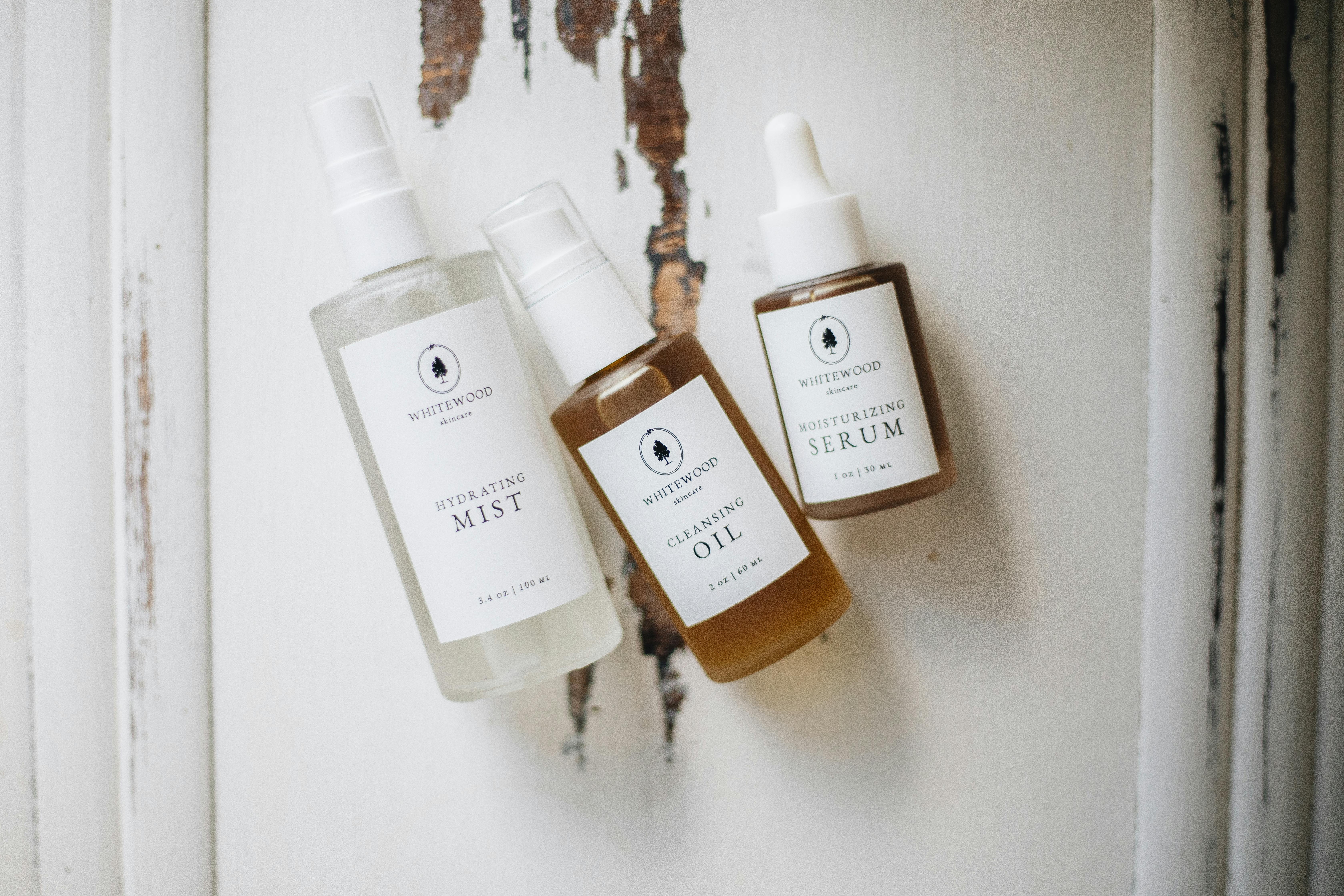
The weekend detox plan (Friday to Sunday)
| Day | Goal | What you do | Keep it realistic |
|---|---|---|---|
| Friday night | Stop escalating | Gentle cleanse, moisturise, early night if you can. | Skip acids and scrubs. |
| Saturday | Reset tools + barrier | Laundry/towels, clean brushes, one gentle “extra”, moisturise. | One “extra” step max. |
| Sunday | Make Monday easy | Simple routine, restock SPF, set up a 2-minute night reset. | No “new product” experiments. |
Friday night: the “stop digging” reset
If your skin has been misbehaving, Friday is the night to stop escalating. Skip harsh actives and do the basics well. A helpful reminder from Health.com’s updated routine guide is that most people don’t need a complicated routine… they need a consistent one: skincare routine basics (Updated 2026).
- Cleanse gently. If you wore makeup or heavy SPF, do a first cleanse, then a gentle cleanser.
- Moisturise. Use what you already tolerate well. If you’re irritated, avoid heavily fragranced “night creams”.
- Stop. The reset works because you remove variables.
Saturday: barrier day + hygiene hacks
Saturday is where the “detox” idea becomes useful, because you’re cleaning the environment around your skin. This is the part people skip… then wonder why their new serum “does nothing”.
1) Wash and swap anything that touches your face
Fresh pillowcase, fresh face towel, fresh flannel if you use one. If you only do one hygiene habit weekly, make it the pillowcase. If you wear makeup, swap out reusable pads too.
2) Clean makeup brushes, sponges, and tools
Brushes don’t just hold pigment, they hold oil and residue. The American Academy of Dermatology is blunt about it: clean your makeup brushes regularly to reduce buildup. AAD: how to clean makeup brushes
3) Wipe your phone screen and water bottle mouthpiece
This is boring, which is why it works. If it’s pressed to your cheek or handled all day, it deserves a weekly wipe-down. Use something compatible with your device and avoid soaking electronics.
4) Do one gentle “extra” step (choose one)
- Hydrating mask if you’re dry or tight.
- Clay mask if you’re very oily, but keep it short and moisturise after.
- Very gentle exfoliation if you are not irritated and you exfoliate rarely. If you’re stinging, skip.
Expert quote: “Moisturizing recreates the skin’s outer barrier to prevent moisture from escaping and stop foreign substances from getting in.”
Dr. Abigail Waldman, dermatologist, Harvard Health Publishing (source)
5) LED mirror care (yes, it counts as skincare)
If you use a mirror for skincare or grooming, it becomes part of your hygiene ecosystem. Fingerprints, product mist, and bathroom humidity build up fast. A quick weekly clean makes your skin checks more accurate. If you want a proper step-by-step, this guide covers LED mirror care without damaging finishes: Mirror maintenance 101.
Sunday: simple, calm, and ready for Monday
Sunday is where you lock in the boring routine you’ll actually follow. Keep steps minimal, aim for calm skin, and prep two tiny habits for the week:
- Two-minute night reset: cleanse, moisturise, done.
- Morning SPF autopilot: keep sunscreen where you’ll see it, not buried in a drawer.
If you want a weekly “skin audit” that stays practical, this mirror-based checklist is a good framework for noticing changes early without spiralling into product panic: Mirror health check: 7 skin signals.
Pick your weekend detox track (by skin mood)
Instead of forcing one routine onto every skin type, pick the track that matches how your skin feels this week. If you’re not sure, default to Sensitive.
| Track | Do this | Avoid this weekend | What “success” looks like |
|---|---|---|---|
| Sensitive / reactive | Gentle cleanse, moisturise, sunscreen, clean tools. | Scrubs, multiple acids, new fragranced products. | Less stinging, less tightness, calmer tone. |
| Oily / congested | Gentle cleanse, short clay mask, clean brushes, moisturise. | Over-washing, harsh alcohol toners. | Fewer new spots, less shine by afternoon. |
| Dry / dull | Hydrating mask, moisturise, simplify actives, humid room if possible. | Over-exfoliation, very hot showers on face. | Makeup sits better, less flaking, softer feel. |
The hygiene reset checklist (what to clean, and how often)
| Item | Weekly | Monthly | Why it matters |
|---|---|---|---|
| Pillowcase | ✔ | – | Reduces oil and residue transfer to your face overnight. |
| Face towel / flannel | ✔ | – | Damp towels can hold residue. A fresh one is a cheap win. |
| Makeup brushes / sponge | ✔ | – | Less buildup, fewer clogged pores, more even application. |
| Phone screen | ✔ | – | Handled constantly and touches your face more than you think. |
| Water bottle mouthpiece | ✔ | – | Contact points collect residue quickly. |
| Razor / trimmer head | ✔ | – | Less irritation and fewer ingrowns when kept clean and dry. |
| Makeup bag / toiletry pouch | – | ✔ | Powder and product dust builds up and transfers back onto tools. |
Optional add-on: a 60-second facial massage
If your face looks puffy after a long week, a short massage can feel good and helps you slow down. Keep pressure light. No aggressive tugging, no gadgets that leave you red. If you prefer a structured sequence, this guide breaks it down step-by-step: Facial massage for glowing skin.

Quick troubleshooting (because weekends are messy)
- Skin stings after cleansing: your cleanser may be too harsh, or you’re over-cleansing. Scale back and moisturise.
- Breakouts after a “mask day”: the mask might be occlusive, fragranced, or left on too long. Next week, skip it and focus on tool hygiene.
- Dry patches by Monday: you may be exfoliating too often, or your moisturiser isn’t enough for your climate. Simplify and add moisture, not more acids.
- Redness that won’t settle: stop the weekend experiments and get professional advice.
A note on lighting (and why your mirror can mislead you)
One sneaky reason people think their skin is “worse” is inconsistent lighting. Bathroom downlights exaggerate texture, warm bulbs can make redness look worse, and dim rooms hide dryness until makeup catches it. If you want a calmer weekly check-in, use the same lighting each time. This breakdown is helpful if you’re trying to reduce false alarms: LED mirror vs natural light for skincare routines. If you want a deeper explanation of what to look for when applying skincare, this guide is also relevant: best LED mirror for applying skincare.
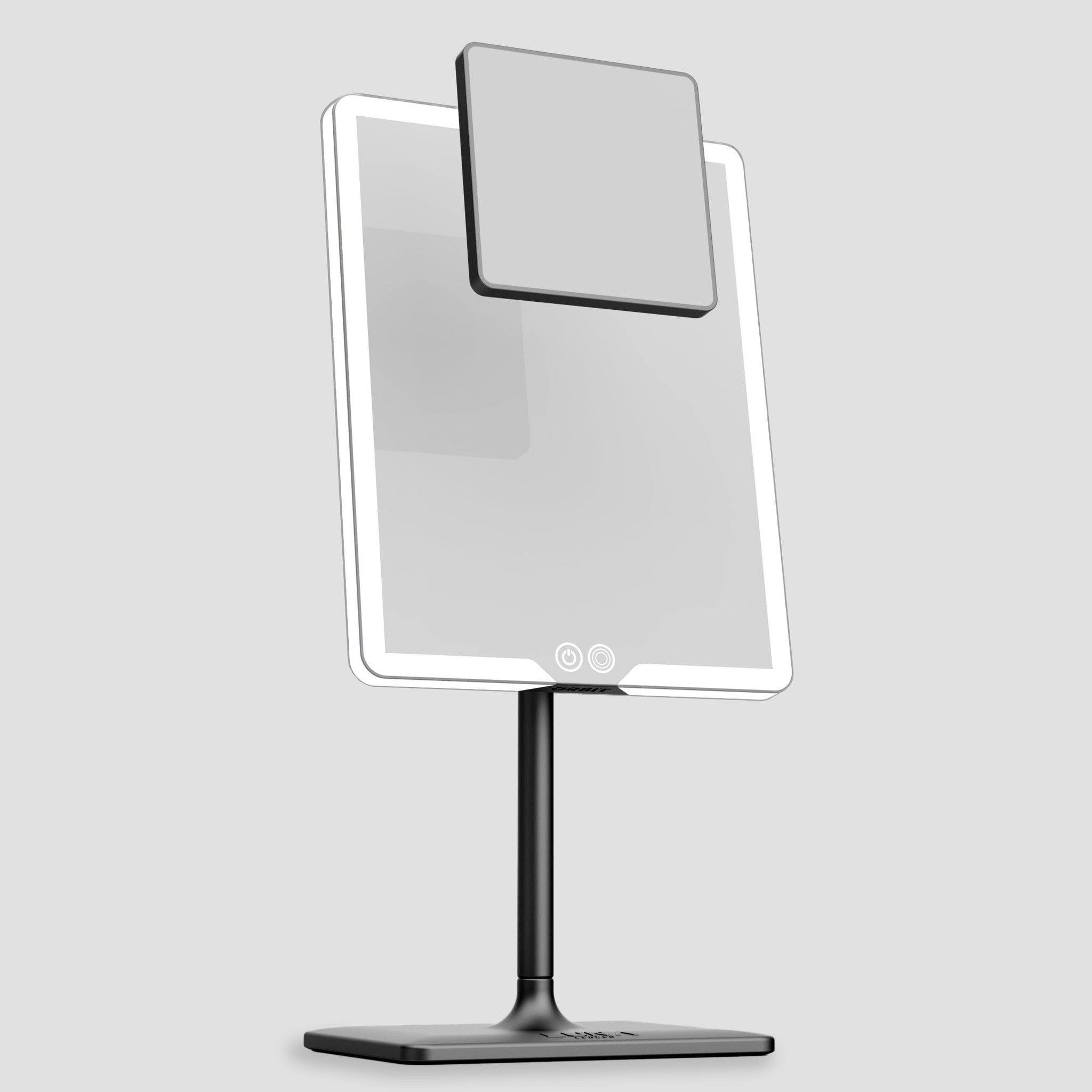
A simple routine is easier when your weekly “skin check” is consistent
If you’re doing a weekend reset, try checking your skin in the same light each time so you’re not chasing shadows. ORBIT’s even lighting is designed for close-up routines without turning every tiny texture into a crisis.
Explore ORBIT finishes →FAQs
Does a skincare detox actually work?
It can, if you define it as reducing irritation and removing variables. Keep cleansing, moisturising, and sunscreen consistent while pausing strong actives for 48 hours, and many people see calmer skin.
How often should I exfoliate?
Less than most people think. If you are sensitive or dry, once a week can be plenty, and sometimes less. If you sting or peel, pause exfoliation and focus on moisturising.
Should I wash my face in the morning?
Many people do well with a gentle cleanse, but if you’re dry or irritated, a water rinse can be enough. For a sensible baseline, follow the AAD’s gentle face-washing guidance: AAD guidance.
How often should I clean makeup brushes?
Weekly is a good baseline if you use them often. If you’re acne-prone, you may benefit from cleaning more frequently. AAD brush-cleaning advice
What’s the simplest sunscreen rule?
Use it daily, apply enough, and reapply if you’re outdoors for extended periods. Pair sunscreen with shade and protective clothing when the UV is strong. Cancer Research UK sun safety.
Can I do this routine if I have acne, eczema, or rosacea?
You can use the gentle baseline idea, but don’t stop prescribed treatments without advice. If symptoms are persistent, painful, or worsening, check with a clinician.
Is it normal to “purge” after simplifying my routine?
Purging is usually linked to specific active ingredients, not simply taking products away. If your skin gets worse after simplifying, it may be irritation, an allergy, or something else worth investigating.
Related Links
- Best LED mirror for applying skincare (LUNA London)
- Nighttime skincare mirror routine (LUNA London)
- Mirror maintenance 101 (LUNA London)
- Mirror health check: 7 skin signals (LUNA London)
- LED mirror vs natural light (LUNA London)
- Skincare routine basics (Health.com, Updated 2026)
- Moisturising and skin barrier (Harvard Health)
- Sun protection essentials (Cancer Research UK)



Leave a comment
This site is protected by hCaptcha and the hCaptcha Privacy Policy and Terms of Service apply.