

Last updated: Tuesday 1 September 2026
End-of-summer skin can be awkwardly contradictory. The T-zone may still look shiny while the cheeks feel tight, pigmentation can appear more obvious as a tan fades, and products that felt harmless in July may suddenly sting.
That does not mean your skin needs a dramatic “detox”. It usually needs fewer variables and a more useful baseline. A good post-summer skincare reset protects first, calms irritation second and only then tackles texture or uneven tone.
First, decide what has actually changed
Do not replace products simply because September has arrived. Look for repeatable signs. Tightness straight after cleansing suggests the cleanser, water temperature or washing frequency may be too aggressive. Stinging when you apply a plain moisturiser points towards irritation. Flaking around the nose or mouth can mean your active schedule is doing more than your barrier can comfortably tolerate.
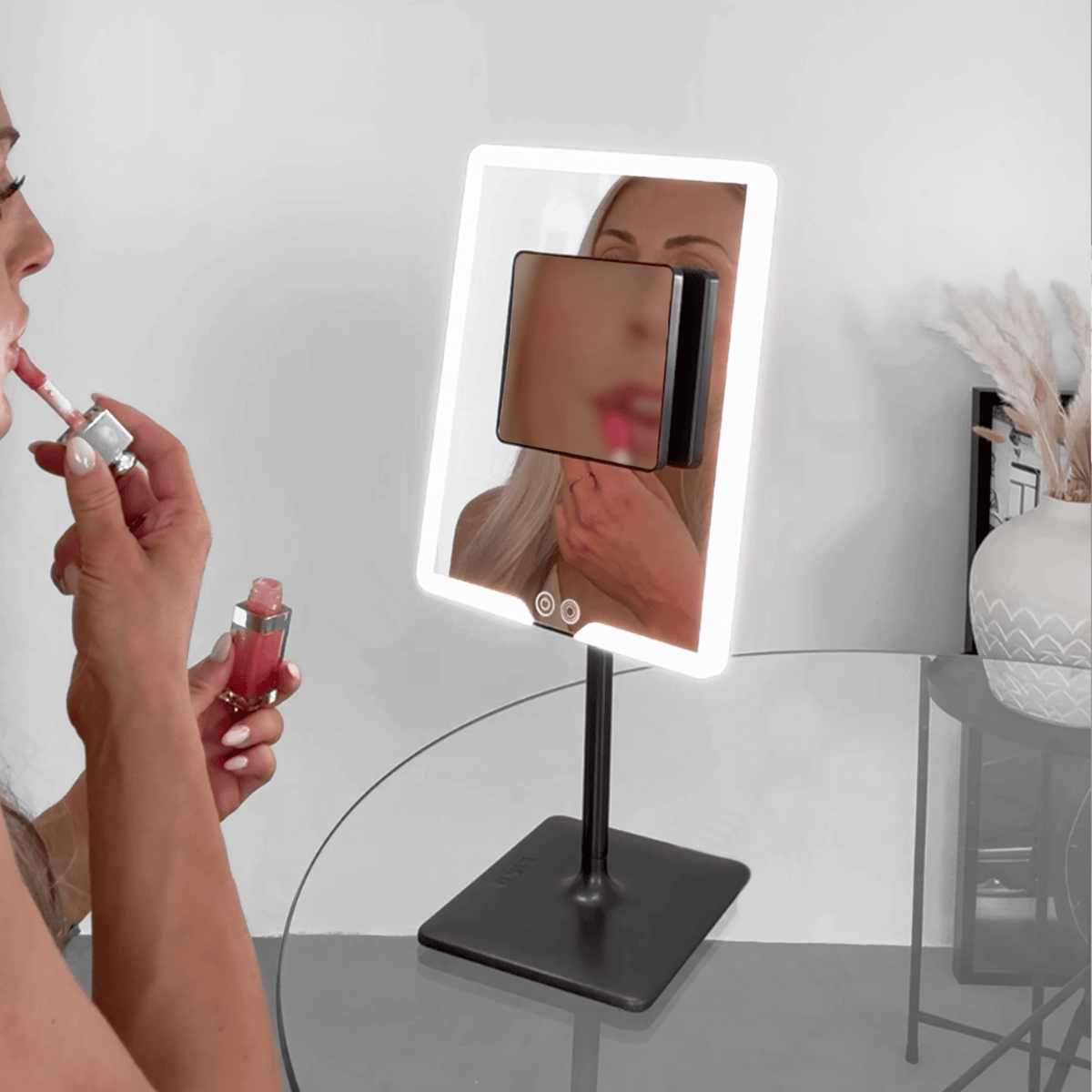
⚡ PRO INSIGHT: Check your whole face from a normal distance before using magnification. A 7x mirror is useful for a short, targeted look, but it can make ordinary pores and texture feel like problems that need fixing.


The ORBIT baseline
Same distance. Same light. Fewer false alarms.
Use one repeatable setup to check redness, dry patches and product residue before changing the routine. Consistency makes subtle changes easier to judge.
The seven autumn skincare changes worth making
1. Give irritated skin a quiet week
If your face burns, feels tight or looks unusually red, simplify for seven days: gentle cleansing, fragrance-free moisturiser and daily sunscreen. Pause facial brushes, grainy scrubs, peels and experimental masks. This is not “skin fasting”. It is a controlled way to remove variables while you see whether discomfort settles.
The American Academy of Dermatology recommends gentle, non-abrasive cleansing and regular moisturising when irritation is a concern. It also warns that harsh scrubbing and too many products can create more skin problems, not fewer.
2. Make cleansing less aggressive
There is no prize for the squeakiest face. If a summer gel cleanser now leaves tightness, try a mild cream or lotion cleanser in the evening. Oily or acne-prone skin may still prefer a gentle foaming wash, so do not assume richer is automatically better. Keep the water lukewarm and cleanse for the time directed, rather than repeatedly washing until the skin feels stripped.
3. Upgrade moisturiser by texture, not hype
A light lotion can remain useful in the morning while a cream suits the evening or only the dry parts of the face. Straightforward humectants and barrier-supporting ingredients such as glycerin, hyaluronic acid and ceramides can be useful. Apply moisturiser to slightly damp skin, then give it time to settle.
If you are acne-prone, “non-comedogenic” is a useful starting label, but it is not a guarantee. Introduce one change, then watch for a pattern over several days rather than blaming or crediting a product after one application.
4. Keep sunscreen in the routine
Cooler air and shorter days do not switch off ultraviolet radiation. The AAD advises broad-spectrum, water-resistant SPF 30 or higher and says sun protection remains important even when it is overcast or cold. Its guidance on sun-damaged skin also makes the practical limitation clear: treatments may reduce some visible signs, but they do not replace ongoing protection.
In the UK, follow the NHS sun-safety guidance and respond to the UV level and your exposure. If you will be outdoors, apply enough sunscreen and reapply as directed, especially after sweating, swimming or towelling.
“When introducing new products to the skin, it is always best to introduce one new product at a time.”
- Dr Marisa Garshick, board-certified dermatologist, American Academy of Dermatology (2025)
5. Reintroduce treatments one at a time
Once the skin feels comfortable again, choose the concern that matters most. For uneven tone, that may be a tolerated vitamin C or niacinamide product. For acne or texture, it may be a retinoid that is appropriate for you. Start slowly, follow the label and do not introduce an acid, scrub and retinoid in the same week.
Retinoids are not suitable during pregnancy. If you are pregnant, trying to conceive, using prescription skincare or managing eczema, rosacea or persistent acne, ask a clinician which options fit your circumstances.
Watch a dermatologist transition her routine for autumn
Board-certified dermatologist Dr Aleksandra Brown explains how she changes her morning and evening routine as the weather cools. Use the video as a framework for pacing and product texture, not as a compulsory shopping list.
Three-light reality check
Check the routine, then check the room.
Use ORBIT's neutral setting as your repeatable baseline, adjust the brightness, then preview another light mode before deciding that redness, dryness or dullness has genuinely changed.

6. Treat pigmentation patiently
As a tan fades, existing marks may look more obvious. Resist attacking them with daily peels. Consistent sunscreen matters because further UV exposure can deepen pigmentation, while over-exfoliation may leave the skin more inflamed.
Take one baseline photograph each month in the same neutral light, at the same distance and with the same camera settings. Daily close-up photos encourage overreaction to lighting and hydration changes. LUNA's guide to LED mirrors versus natural light for skincare explains why a repeatable baseline is more useful than chasing the most flattering view.
⚡ PRO INSIGHT: Keep lighting, distance and camera settings consistent when tracking pigmentation. Comparing a warm bedside photo with a cool daylight photo can create an apparent improvement or setback that is only a colour shift.
7. Include lips, neck, hands and body
Post-holiday dryness is rarely limited to the face. Apply body moisturiser after bathing, use a simple lip balm and extend sun protection to exposed neck, chest and hands. Keep showers warm rather than very hot. If indoor heating makes the skin itch later in autumn, increase moisturiser frequency before buying a complicated new treatment.
A simple seven-day post-summer skincare reset
The point is not to achieve perfect skin in seven days. It is to identify a routine your face tolerates before adding treatments back. If redness, itching, cracking or acne persists despite simplification, seek professional advice.
For a practical lighting setup, read LUNA's guide to the best LED mirror for applying serums, retinol and SPF. The night-time skincare routine also shows how to check application without turning the mirror into a tool for over-scrutiny.

A calmer final check
Make your autumn baseline clear and repeatable.
ORBIT gives daily skincare a large, front-facing view across three dimmable light settings, with the detachable 7x mirror available only when precision is useful.
★★★★★
“I am really impressed with this mirror and have never quite seen anything like it.”
A.B, LUNA customer reviewQuick tracked delivery available in:
 USA
USA UK
UK EU
EUFAQs
When should I switch to an autumn skincare routine?
Switch when your skin or environment changes, not on a fixed date. Persistent tightness, flaking or increased sensitivity can justify gentler cleansing and more targeted moisturising. Make one change at a time so you can tell what helps.
Should I exfoliate sun-damaged skin after summer?
Not aggressively. If the skin is comfortable, a tolerated exfoliant may fit the routine at the frequency stated on its label. If the skin stings, peels or looks inflamed, pause exfoliation and focus on gentle cleansing, moisturiser and sun protection. Persistent or suspicious changes need medical assessment.
Do I still need SPF in autumn in the UK?
Yes, when the UV level and your exposure call for protection. Use a broad-spectrum sunscreen with SPF 30 or higher alongside shade and clothing where appropriate. Cloud and cooler temperatures do not eliminate UV.
Related links
- LED Mirror vs Natural Light for Skincare Routines
- Best LED Mirror for Applying Skincare
- Night-Time Skincare with an LED Mirror
- Five Skincare Products That Work Best with LED Mirrors
- ORBIT Phantom Black
- Explore more LUNA London beauty guides


Leave a comment
This site is protected by hCaptcha and the hCaptcha Privacy Policy and Terms of Service apply.