
Last updated: 12th April 2026
In a hurry? TL;DR
- Cleanser, toner, and most light serums usually do not need a dramatic pause.
- If a layer still feels wet, slippery, or sticky, you are moving too fast.
- Moisturiser and sunscreen are the steps most likely to need a minute or two.
- The real problem is often texture clash or too much product, not just “bad timing”.
- Protection-wise, sunscreen still needs proper lead time before sun exposure.
- Better front-facing light helps you tell whether skin is settled, or still sitting on top.
| Step | Do you need to wait? | Practical rule |
|---|---|---|
| Cleanser | Not really | Pat skin dry gently, then move on. |
| Toner or essence | Usually only seconds | Do not layer on while it still looks obviously wet. |
| Water-based serum | Sometimes | If it sinks in quickly, move on. If it stays tacky, give it 10 to 30 seconds. |
| Moisturiser | Often yes | Richer creams usually need a minute or two before base makeup. |
| Sunscreen | Usually yes | Let it settle before makeup, and apply it with enough lead time before going outdoors. |
| Primer | Depends on texture | If it feels silicone-heavy or slippery, pause before foundation. |
The Real Timing Rules for Skincare Before Makeup
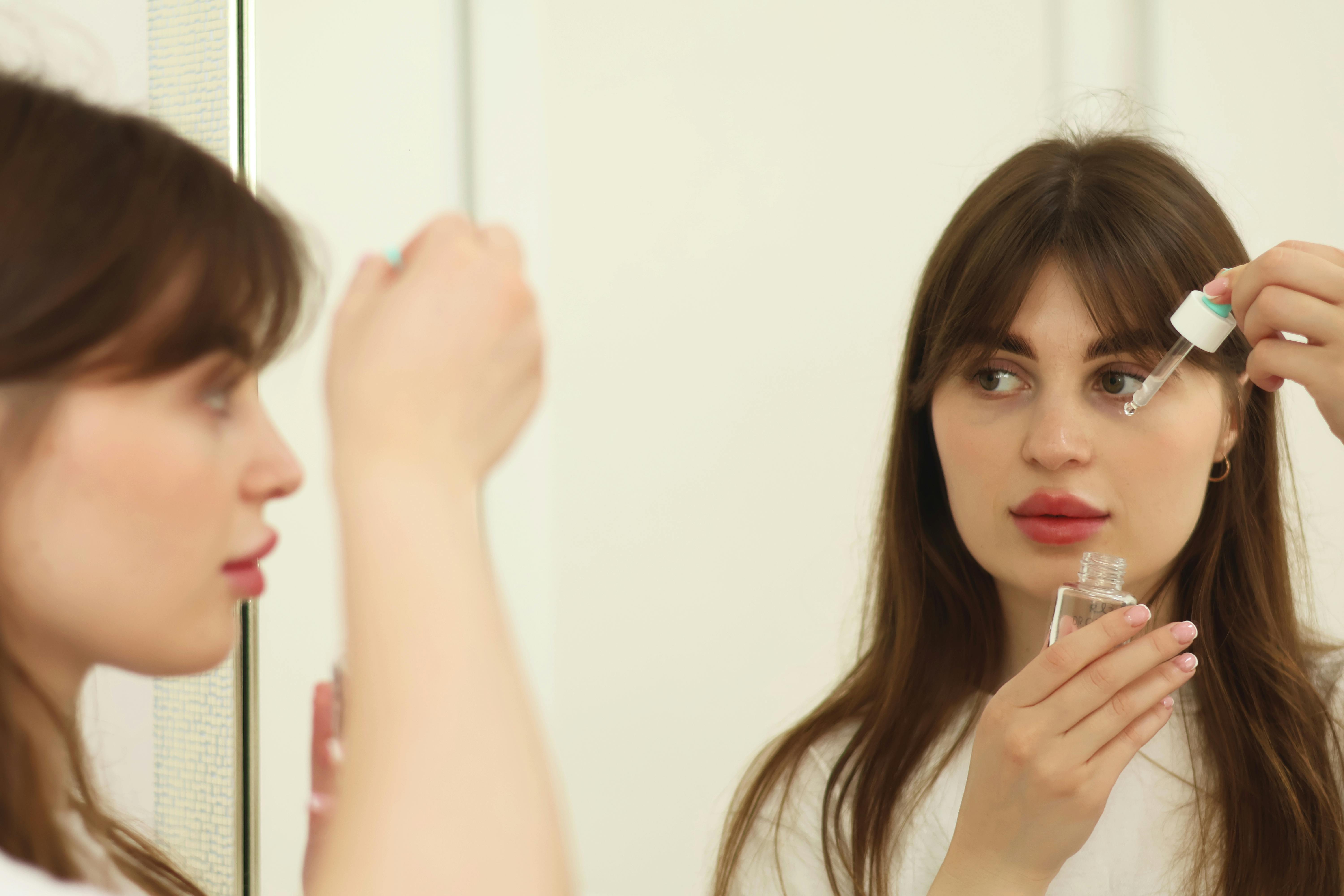
People talk about waiting between skincare and makeup as if there is one magic number. There is not. The more useful question is simpler: which layers actually need time to settle, and which ones are people overthinking?
The broad order is not especially controversial. The American Academy of Dermatology recommends applying skincare in the right sequence because it affects how well products work, and Cleveland Clinic keeps the morning routine intentionally simple: cleanser, then moisturiser and sunscreen at a minimum. That part is straightforward. The handoff is where people get messy.
If the layer underneath is still moving around on the skin, makeup is more likely to pill, drag, separate around the nose, or grab on to dry patches. If the layer is already absorbed, waiting five more minutes often does nothing except waste time. So the right rule is not “always wait three minutes”. It is this: wait for feel, not for ritual.
⚡ PRO INSIGHT: If a product still feels wet, greasy, or sticky enough to drag under your fingers, it is probably too early for the next layer. If it feels settled, adding unnecessary delay will not magically improve your makeup.
What actually needs a pause, and why?
1. Cleanser does not need a ceremony

After cleansing, the only real job is to avoid going straight from a dripping-wet face into serum. Pat dry gently and move on. You are not trying to leave the skin bone dry, but you also do not want to dilute everything that follows.
This matters because too much water left on the face can make a serum or moisturiser spread unpredictably, especially around the nose, mouth, and jawline. Then when foundation goes on later, you blame the base when the real problem started much earlier.
2. Thin serums usually only need seconds
Most light serums do not need a dramatic pause. As dermatologists told Good Housekeeping, lighter products often need roughly 10 to 30 seconds, while heavier products may need up to 1 to 3 minutes. That lines up with real life. If a vitamin C or hydrating serum disappears quickly, move on. If it leaves a tacky surface, give it a moment.
The mistake is not usually one serum. It is stacking three because the routine “feels more complete”. Cleveland Clinic explicitly recommends keeping routines efficient rather than piling on product for the sake of it. Too many layers create more opportunities for friction, pilling, and texture mismatch.
“Thicker products can create a barrier on the skin, preventing lighter products that follow from absorbing as effectively.”
— Nazanin Saedi, MD, board-certified dermatologist, Good Housekeeping (2026)
3. Moisturiser is where people usually rush
Moisturiser is the most common crossover problem before makeup. Too little, and your base catches or clings. Too much, and everything slides or separates. If you use a richer cream, especially on dry skin, you often need a little pause before primer or foundation sits properly.
This is also where targeted application helps more than a blanket rule. You might need more cream on the cheeks, but much less around the nostrils, upper lip, or chin if those are the places where makeup tends to break first. A lot of so-called timing issues are really placement issues.

4. Sunscreen is the step most people half-understand
Sunscreen is the final step of morning skincare. That part is settled. What is not settled is how people behave straight afterwards. Makeup-wise, if your SPF still feels slippery, it is not ready. Protection-wise, the FDA says sunscreen should be applied 15 minutes before sun exposure, and the AAD says the same in slightly different wording.
Notice what that does not mean. It does not mean you always need to stand motionless for 15 minutes before foundation. It means that if you are heading outdoors, SPF needs proper lead time to protect the skin, and if you are putting makeup on top, you want it settled enough that you are not smearing it around with your base brush or sponge.
That is why sunscreen is so often blamed for pilling. The formula may not be the only issue. Sometimes the problem is that it was applied over too much moisturiser, followed immediately by primer, then rubbed around aggressively. That is not a sunscreen failure. That is a rushed system failure.
The signs you have not waited long enough
You do not need a timer. You need pattern recognition. If one of these things keeps happening, you are either moving too quickly, using too much product, or combining textures that do not like each other.
| What happens | What it usually means | What to do next time |
|---|---|---|
| Foundation rolls into little balls | A tacky or incompatible layer underneath | Use less product, let SPF settle, then press makeup on instead of rubbing. |
| Base separates around the nose | Too much moisturiser or residual slip in that zone | Apply less there, blot lightly, and keep correction local. |
| Makeup clings to dry patches | Not enough hydration, or makeup applied before cream settled | Use a little more moisturiser where needed and give it longer. |
| Everything looks fine at home, then worse elsewhere | Lighting problem, not just a prep problem | Do a final check in clearer front-facing light before assuming you need more product. |
Why lighting changes this more than people admit
Bad light makes timing harder to judge. It can make moisturised skin look shiny in one area and dry in another. It can hide the fact that sunscreen is still sitting on the surface. It can also make you keep “fixing” a face that was already fine. That is why the timing conversation belongs with visibility.
If you already know LUNA’s pieces on Morning Sunlight vs LED: Which Is Better for Skin Checks?, Fix Patchy Foundation with Better Lighting, and How to Prevent Cakey Makeup With Better Lighting, you will recognise the pattern: people often try to solve a feedback problem with more product. That is backwards.
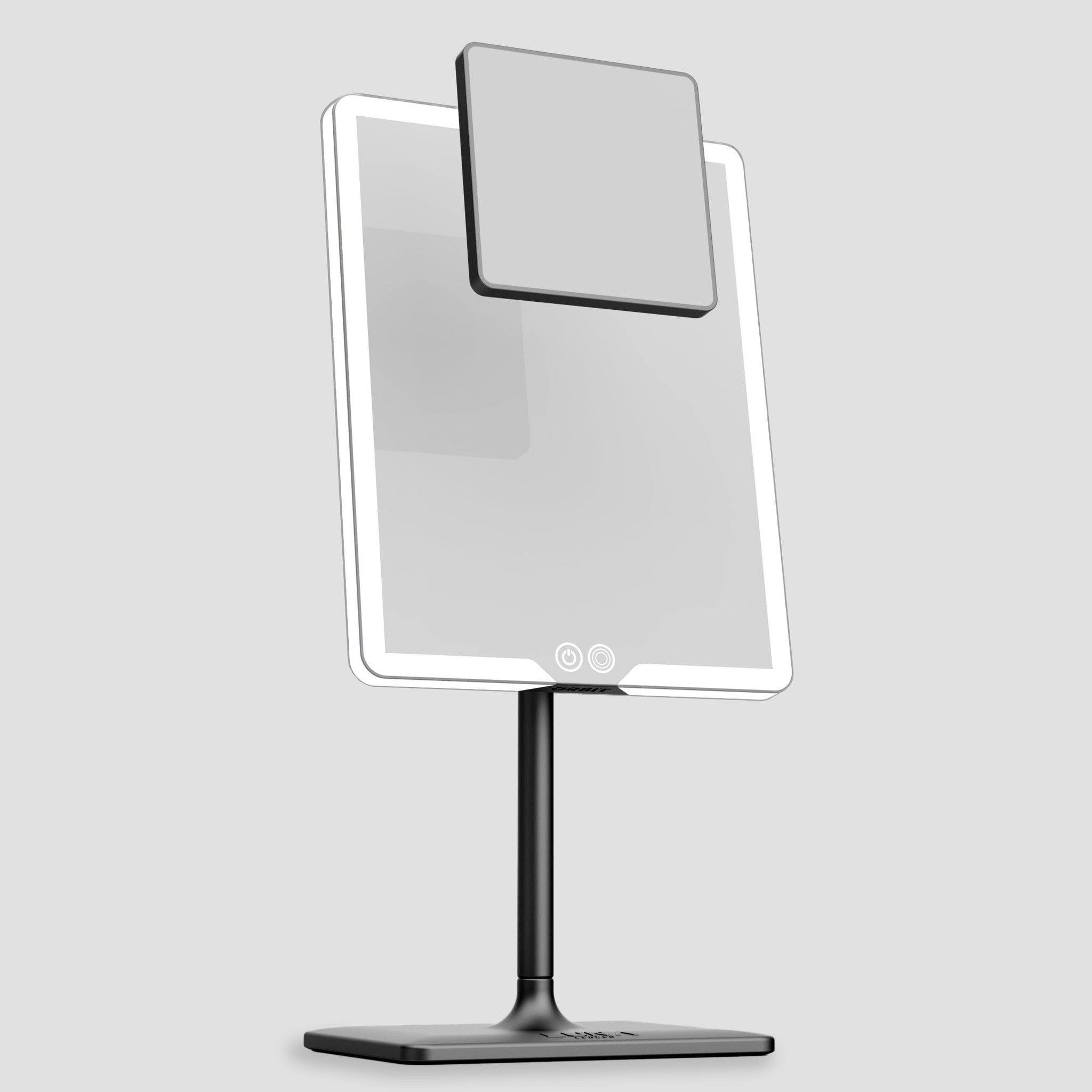
For skincare and prep specifically, a steadier mirror setup helps you see whether the skin looks settled or still coated. That is where something like ORBIT or, in a smaller setup, ECLIPSE becomes useful. Not because a mirror magically fixes pilling, but because clearer front-facing light stops you guessing.
⚡ PRO INSIGHT: If you are ever tempted to “rescue” a rushed routine by adding primer, more moisturiser, and more foundation all at once, stop. Change one variable at a time. Otherwise you learn nothing and blame the wrong step again tomorrow.
A simple routine that actually works on a normal morning
- Cleanse, then pat the skin dry.
- Apply one treatment layer, not three competing ones.
- Use moisturiser where you need it most, rather than overloading the whole face.
- Apply sunscreen as the final skincare step.
- Wait until the skin no longer feels wet or slippery, then start makeup with pressing motions.
- Check the result in honest light before deciding you need more coverage or more prep.
If you want more routine and lighting guides beyond this topic, the LUNA blog hub is where the rest of the cluster lives. The point of this piece, though, is narrower: not every step needs a pause, and assuming they all do is part of why people end up overhandling their face before makeup.
A better final check before makeup goes on
If your routine keeps failing at the handoff between skincare and makeup, clearer feedback usually helps more than another new product. ORBIT gives you even, front-facing light for checking tackiness, sunscreen edges, dry patches, and whether your skin is actually ready for base.
Explore ORBIT lighting →FAQs
How long should you wait between skincare and makeup?
Usually not very long. Thin layers often need only seconds, while richer moisturiser and sunscreen may need a minute or two, or simply until they no longer feel wet or slippery.
Do I need to wait after serum before moisturiser?
Only briefly if the serum still feels tacky or mobile. Many light serums can be followed quite quickly once they have spread evenly and started to absorb.
How long should I wait after sunscreen before foundation?
Long enough that it no longer feels slippery on the skin. Protection-wise, sunscreen should also be applied with enough lead time before going outdoors, which is different from makeup timing.
Why does my makeup pill even when I wait?
Because time is only one variable. Too much product, incompatible textures, rubbing instead of pressing, and heavy layering around the nose and mouth can all cause pilling too.
Should primer go on straight after skincare?
Only if the skin underneath already feels settled. If moisturiser or sunscreen still feels tacky, primer can just add another conflicting layer.
Can I speed the routine up with a fan or hairdryer?
A fan is fine if you are simply helping a layer settle. A hot hairdryer is a bad idea. Heat can irritate skin and turn a timing problem into a comfort problem.
What is the quickest skincare-before-makeup routine that still works?
Cleanser, one treatment if needed, moisturiser where needed, sunscreen, then makeup once the surface feels settled. Most people do better with fewer layers, not faster hands.
Related links
- ORBIT Phantom Black
- ECLIPSE Matte Black
- COMPACT 2.0 Matte Black
- Best LED Mirror for Applying Skincare
- Morning Sunlight vs LED: Which Is Better for Skin Checks?


Leave a comment
This site is protected by hCaptcha and the hCaptcha Privacy Policy and Terms of Service apply.