

Last updated: Thursday 10th September 2026
Makeup That Lasts All Day: What Makeup Artists Actually Layer

The Professional Layering Order for Makeup That Still Looks Good Hours Later
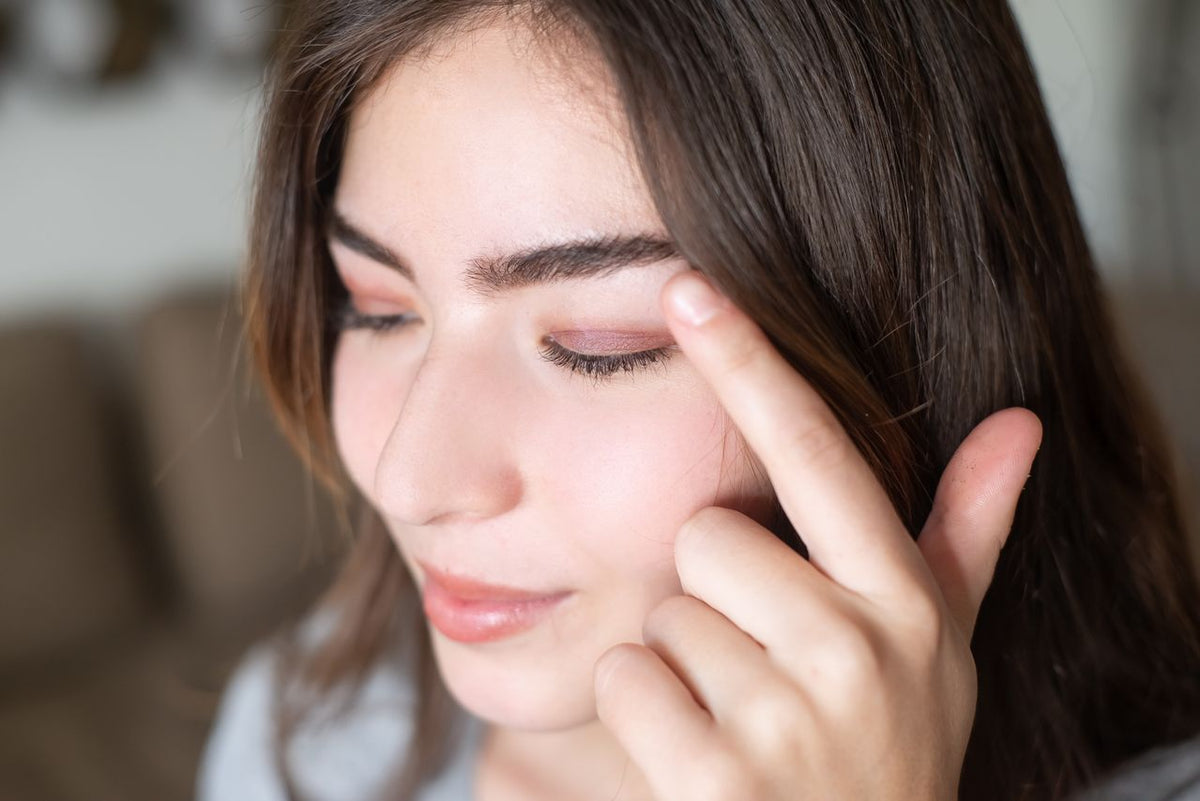
Long-lasting makeup has a slightly annoying truth at its centre: adding more often makes the problem worse. Thick skincare, heavy foundation, concealer everywhere and a blanket of powder can look immaculate at 8am, then separate or crease by lunchtime.
Professional makeup artists work more selectively. In a July 2026 Allure report on all-day makeup, Katie Jane Hughes, Karol Rodriguez and Jenny Patinkin emphasised timing, restraint and strategic setting rather than simply piling on longer-wear formulas.
In a hurry? The long-wear order
- Prep skin for what it actually needs, then let it settle.
- Use primer where it solves a problem, not automatically across the whole face.
- Build foundation and concealer in thin layers.
- Layer cream and powder colour only when extra wear is worth it.
- Press setting powder into high-movement or oily areas instead of dusting everything heavily.
- Finish with setting spray, then check edges, texture and colour in consistent front-facing light.
1. Skin prep matters, but wet skincare is not a primer
Start with skin that feels comfortable rather than coated. Melissa Murdick told Glamour UK that she assesses whether skin feels dry or oily, then preps accordingly.
Allure's artists also recommend letting skincare dry down before complexion products, with Katie Jane Hughes suggesting five to seven minutes. If skin still feels slick, foundation is being asked to sit on a moving layer.
⚡ PRO INSIGHT: Do your skincare first, then use the five-minute window to get dressed, style your hair or lay out products. It is an easier longevity fix than trying to rescue a slippery base with extra powder later.

2. Primer should solve a problem, not become another blanket layer
Professional advice on primer is less uniform than social media makes it sound. Allure's artists describe face primer as optional for some people, while British Vogue takes a stronger view on extending foundation wear. The useful middle ground is simple: primer should have a job.
Makeup artist Joy Adenuga told British Vogue that primer choice depends on skin type, whether the goal is reducing shine, blurring pores, adding hydration or smoothing texture. Treat the oily T-zone and dry cheeks differently if they behave differently.
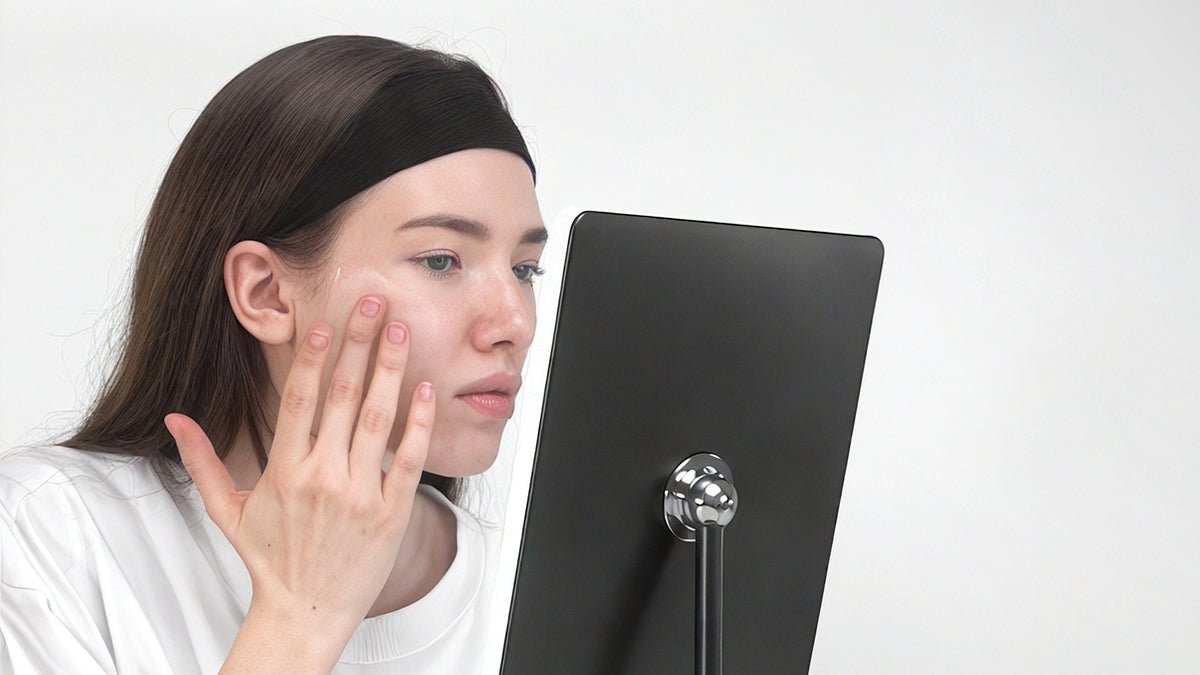
For close-up layer checks: if you are building foundation, concealer, brows or eye makeup in thin layers, ORBIT gives you a larger lit view for the whole face, with a 7x magnification add-on when you need to inspect smaller details.
3. The base lasts longer when you stop before it looks 'finished'
Foundation is where coverage gets confused with durability. Start where you need evening-out, blend outwards, then add a second thin pass only where coverage is still missing. If your base changes colour through the day, fix foundation oxidation separately rather than adding more product.
Under the eyes, place concealer where discolouration actually sits and keep mobile areas light. Our concealer-without-creasing method covers the placement in more detail.
“The thinner the layer, the longer the wear.”
— Jenny Patinkin, professional makeup artist, Allure (2026)
4. Cream plus powder can extend colour, but doubling everything is overkill
If blush, bronzer or eye colour disappears first, use a sheer cream layer followed by a small amount of matching powder. Two thin films usually wear more gracefully than one thick one.
For oily lids or creasing shadow, eye primer is usually more useful than adding more shadow. Waterproof formulas can also make sense for specific event conditions, but not everywhere by default.
5. Powder is for movement and oil, not punishment
Powder can make long-lasting makeup more reliable, but too much quickly turns a fresh base heavy. Current British Vogue setting-powder testing favours finely milled formulas that control shine without amplifying texture.
Press rather than aggressively sweep. Focus on the nose, mouth area, centre of the forehead and anywhere that reliably becomes shiny. Leave dry or textured areas alone unless they genuinely need setting.
⚡ PRO INSIGHT: Set for your own failure points. If makeup always breaks around your nose but your cheeks stay comfortable for ten hours, powder the nose properly and stop treating the cheeks as if they have the same problem.
Why choose ORBIT here?
Because long-wear makeup is easier when you can see each layer clearly
Poor bathroom light can encourage over-correction. ORBIT gives you a large 11-inch lit view with three lighting modes for overall balance, then a 7x magnification add-on for precise checks around eyes, brows and edges.
| Need | See whether coverage is even before adding more |
| ORBIT fit | Large lit view plus 7x detail when needed |
| Best for | Home makeup, complexion, brows and eye detail |
6. Setting spray is the finish, not a magic eraser
A setting spray can help unify layers and support wear, but it cannot rescue a base that was too wet or too thick. Mist evenly and let it dry without touching the face. Some professionals also spray between stages for events, but more is not automatically better.
Watch a professional build event makeup layer by layer
Lisa Eldridge's 2025 bridal tutorial shows the same professional event logic in context: skin prep, eye base, complexion, powder and finishing mist.
7. The final professional layer is actually a check
Do not finish under one light and assume the job is done. Warm overhead bulbs can hide a jawline edge or too much powder. Use neutral, front-facing light for the final inspection, then check once in warmer light if you are heading to an evening venue.
The point is not to look identical in every possible light. It is to catch obvious over-application before daylight or venue lighting does. Use our five-minute final makeup check for the exact order, and our lighting guide for what each setting reveals.

8. Touch up by removing the problem first
At 3pm, do not put fresh foundation straight on top of oil. Blot first, reassess, then add the smallest possible amount of concealer or powder only where coverage has genuinely gone. If heat is the main enemy, our heat-proof makeup mistakes guide covers the usual failure points.
Which LUNA mirror fits a long-day makeup routine?

Make the midday check a correction, not a rebuild
COMPACT 2.0 is designed for the part of a long-day routine that happens away from home: lipstick edges, under-eye checks and small corrections before a meeting, dinner or event. It combines a standard 1x view, 7x magnification and three dimmable light modes in a portable format.
Keep COMPACT 2.0 ready for touch-ups →FAQs
How do I make my makeup last all day without looking cakey?
Use less product at each stage. Let skincare settle, apply foundation and concealer only where needed, then press a small amount of powder into the areas that usually move or become oily. A thick full-face powder layer may increase dryness and texture without solving the actual failure point.
Do I need both primer and setting spray for long-lasting makeup?
Not necessarily. Primer is most useful when it addresses a specific issue such as oil, pores or dryness, while setting spray is a finishing tool. Your skin type, formulas and environment matter more than ticking every product category.
What should I carry for event makeup touch-ups?
Keep it small: blotting paper or tissue, a compact powder if you become oily, your lip product, and a small amount of concealer if you know coverage wears away. A portable mirror with reliable lighting helps you correct only what needs correcting rather than adding more product everywhere.
Related links
- ORBIT Phantom Black
- ECLIPSE Matte Black
- COMPACT 2.0 Matte Black
- The 5-Minute Final Makeup Check Makeup Artists Never Skip
- Heat-Proof Makeup Mistakes: What to Fix Before Your Makeup Melts

Leave a comment
This site is protected by hCaptcha and the hCaptcha Privacy Policy and Terms of Service apply.